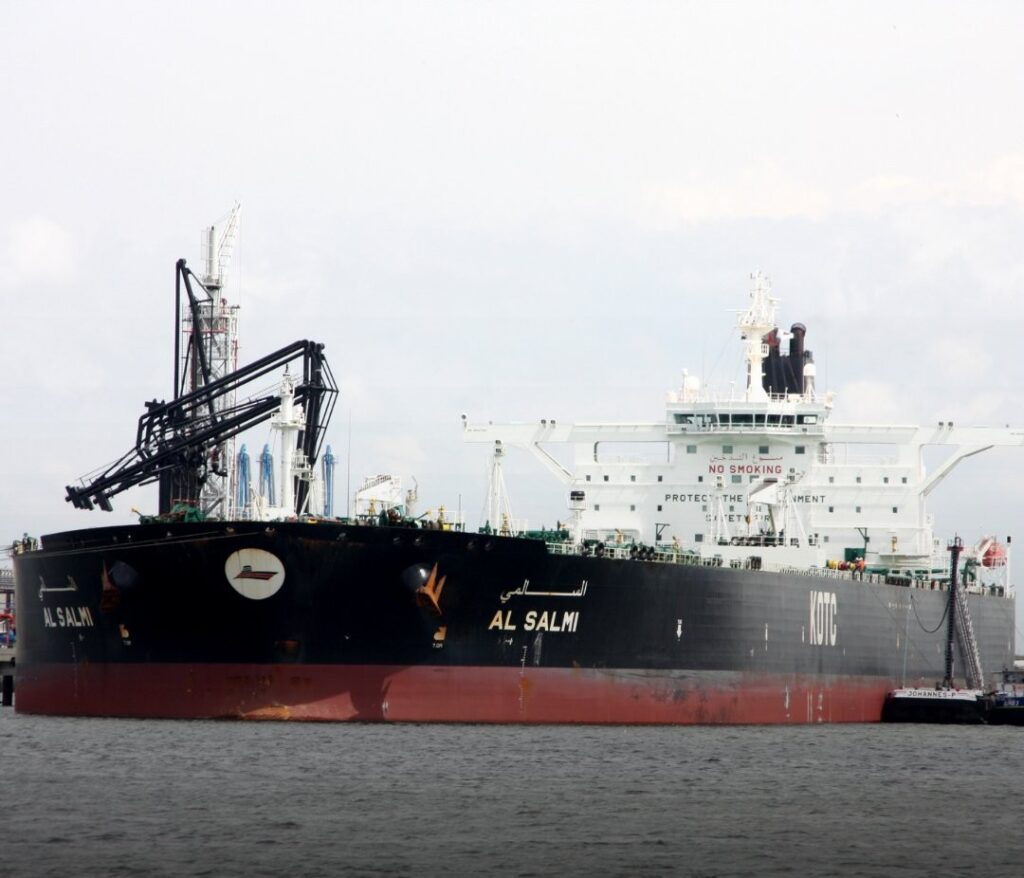
After the escalation in the Gulf, with the almost complete blockade of the Strait of Hormuz through which some 20 percent of the world’s crude passes, markets reacted immediately. Quotations rose sharply above $100 per barrel, while European gas climbed back above 50 euros per megawatt hour. Sharply rising bills and the prospect of a long period of uncertainty are driving demand for alternative technologies. And the readily available and cost-competitive option is the renewables-storage-innovative grid reinforcement package.
In the United Kingdom, according to industry players such as Octopus Energy, requests for photovoltaic installations rose by more than 50 percent in the weeks after the crisis began. Heat pumps also saw similar increases, with daily peaks doubling the average levels at the beginning of the year.
In Germany, already the European leader in photovoltaics, 2025 had closed with more than 14 gigawatts of new installed capacity. In the early months of 2026 the pace has increased further, with domestic demands growing in double digits. Residential solar, in particular, is the one that reacts most quickly to shocks: short installation times and increasingly evident economic returns.
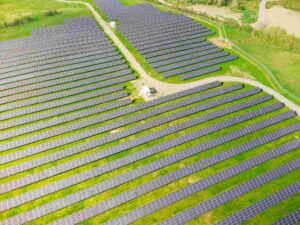
Italy is also seeing an acceleration. After 5 gigawatts installed in 2024 and more than 6 in 2025, 2026 started with sustained demand, driven mainly by the commercial and industrial segments. But growth is still decidedly insufficient to meet European targets. Yet prices are more than encouraging. According to Irena(International Renewable Energy Agency), producing electricity from new large-scale photovoltaic plants now costs on average between $30 and $50 per megawatt-hour, less than half that of many gas-fired power plants in Europe during high price phases. This means that any increase in the price of fossil fuels automatically makes it cheaper to invest in renewables. Cost-effective. Convenient in terms of security of supply. Environmentally convenient.
This is true at all levels. For a household, self-consumption can cover up to 40-60% of electricity consumption, depending on the configuration. For an energy-intensive business, a PV system can reduce the bill by as much as 20-30% on an annual basis. For a country, it can make the difference between autonomy in times of crisis and energy shock panic.
And in fact, in countries with higher shares of renewables (e.g., Spain), the impact of rising oil and gas prices is smaller. In contrast, where the system remains tied to fossil fuels, every crisis turns into a direct increase in costs for citizens and businesses.
More than 300 gigawatts of renewable projects in Italy are awaiting authorization, a huge figure compared to the approximately 60 gigawatts installed today. This means the potential is there, but it struggles to translate into actual installations. Permits, grid connections and industrial capacity remain bottlenecks. At this point, a choice must be made: will the government continue to focus on a net dominance of fossil fuels, curbing the growth of renewables and jeopardizing energy security? Or will it change course?