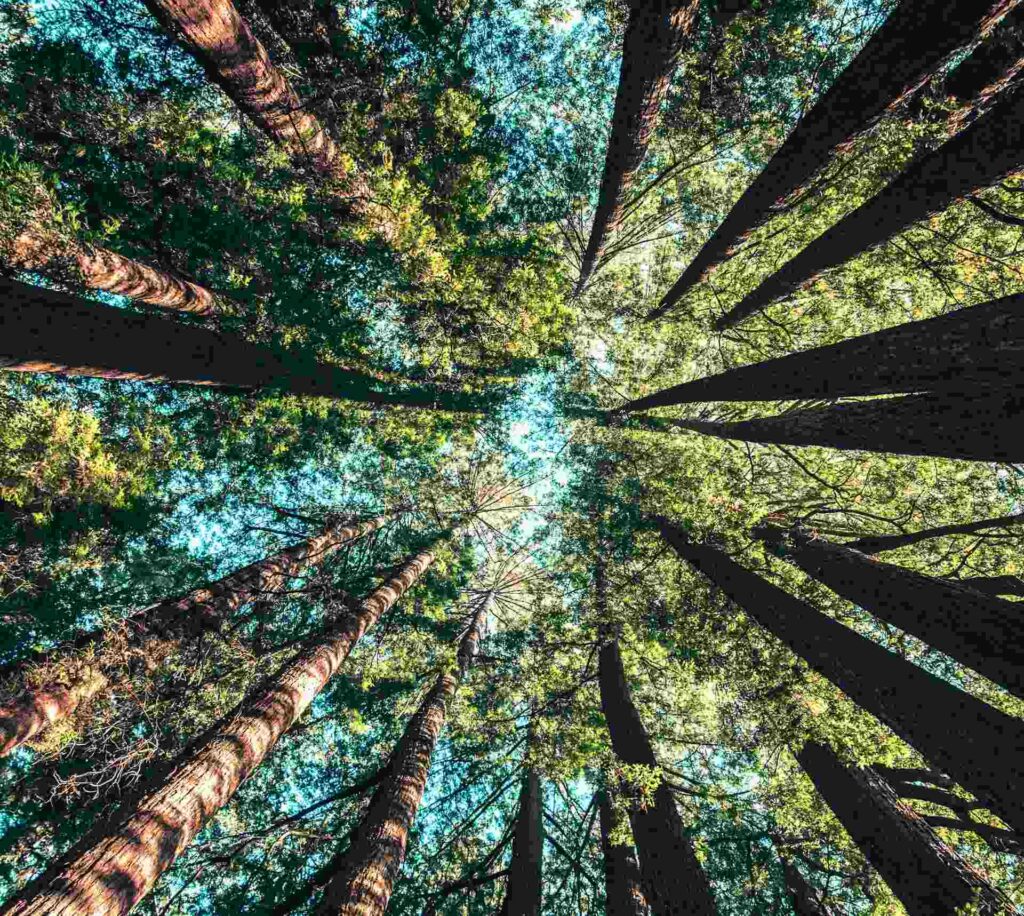
Looking at a forest, a stream or an expanse of rolling hills can change the way the brain processes pain. That’s according to a study published in Nature Communications, which offers a neuroscientific basis for an intuition that has been widespread for decades: eye contact with natural environments reduces physical suffering.
What happens in the brain
The research monitored the brain activity of participants subjected to mild painful stimuli while watching different types of videos: natural landscapes, urban scenery and indoor environments. The result was consistent in both subjective and instrumental data: during nature viewing, perceived pain decreased.
MRIs show reduced activity in brain areas involved in processing pain-related sensory signals. In other words, the brain receives and processes pain stimuli less intensively when exposed to natural images. According to the study authors, the observed reduction in pain cannot be explained by a placebo effect, but is associated with measurable changes in brain activity.
An effect already observed
The finding fits into a line of research that began decades ago. As early as the 1980s, a study conducted by Roger Ulrich showed that patients hospitalized in rooms overlooking green spaces required less pain medication and showed faster recovery times than those facing a wall. What is new today is the ability to directly observe the neural mechanisms underlying this effect, moving beyond the hypothesis of simple visual distraction.
How much is the effect worth
According to the study, the impact of viewing natural environments can be up to about half the effectiveness of painkillers. A significant finding, but one that does not imply a replacement of drug therapies. Rather, it outlines a space for complementary interventions that can complement traditional treatments and contribute to pain management, especially in clinical settings where the prolonged use of drugs presents critical issues.
From research to applications
The implications are real. The use of images or natural environments-even in virtual form-could become part of nonpharmacological treatment protocols. From hospital rooms designed with green views to immersive systems, the environmental component becomes an active element in care. The study also reinforces an often overlooked aspect: access to nature is not only about quality of life, but also about health. The ability to benefit from green spaces, real or simulated, takes on a health dimension as well as an environmental one. Within this framework, the protection of ecosystems and the design of more natural urban environments become investments with direct effects on people’s physical well-being.