The phenomenon is a global one: in recent months coffee has become increasingly expensive, with quotations soaring again, aided by thinning stocks of Brazilian beans, the world’s leading producer. But beneath the trade tensions, a deeper, structural factor is at work: climate change.
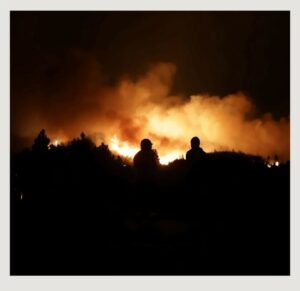
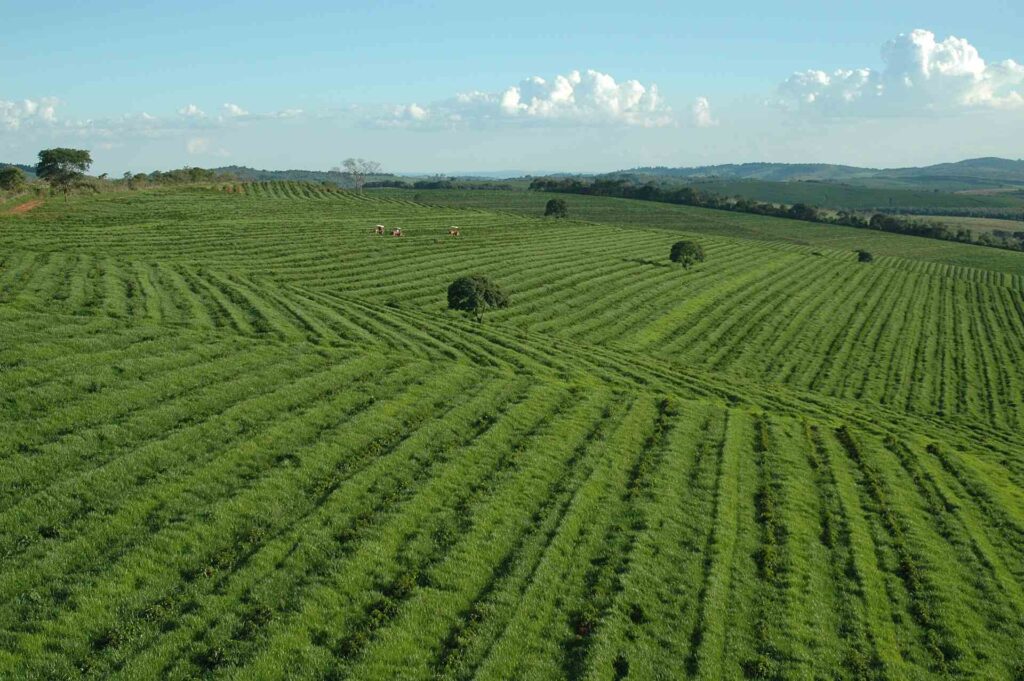
In Brazil’s main coffee-growing regions , drought has become recurrent and severe. In parts of Minas Gerais, the heart of arabica production, about 70 percent of the seasonal average rainfall has fallen in the past month; in recent weeks, rainfall has fallen below half the historical average. The result: tensions over bean availability and runaway prices. Since last August, futures on arabica-the most valuable and widespread variety in Brazil-have gained nearly 40 percent, approaching all-time highs. Robusta, destined mainly for soluble coffee, has also risen about 37 percent.
Brazil produces nearly 40 percent of the world’s coffee and, according to analysts, has experienced dry spells every year since 2020-a sequence that has left global demand systematically above supply. Brazil’s 2025 production is down, with an estimated 51.8 million bags (down 4.4 percent from 2024), with harvesting from April and climatic risks. Post-harvest 2024 stocks would already be thinned.
2026 provides some relief in the immediate term
On the economic front, there is some glimmer of hope. The National Supply Company (Conab), the Brazilian government agency that manages agricultural policies, estimates that more recent rains may ease the stress suffered by plants during the dry months. Fortunately, 2026 may see an expected easing of prices thanks to more abundant harvests in Brazil (an estimated 70-80 million bags in 2026/27) and Vietnam.
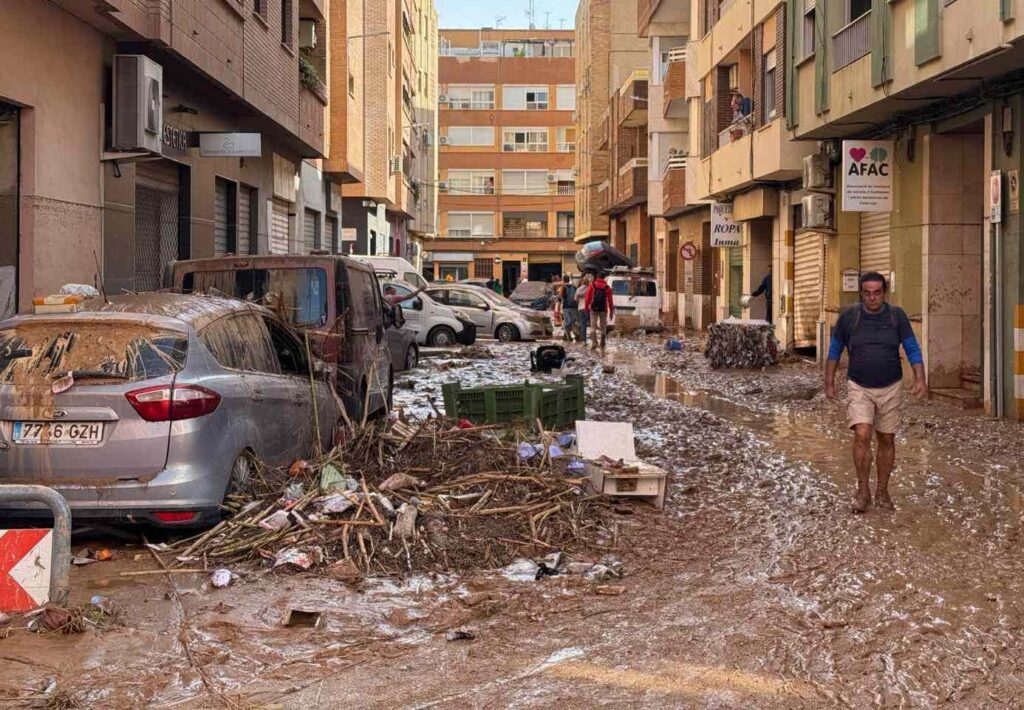
In the medium to long term, however, the trajectory remains clear: as temperatures rise, prices will tend to rise. Studies indicate that by 2050 only about half of the areas currently devoted to coffee cultivation will remain suitable. The crop requires regular rainfall and moderate temperatures, conditions that the climate crisis is eroding. Arabica, more sensitive and profitable, suffers the most; robusta tolerates heat better, but is not immune to water stress.
New areas are mapped out
Producing countries are moving to adapt. In Brazil, researchers map new areas with milder microclimates, water availability or irrigation options. Several nations, including Brazil and Uganda, are investing in heat and drought protection techniques and experimenting with cloning more resilient varieties.
Irrigation is one of the central issues. According to analysts, less than 10 percent of the world’s plantations are irrigated today; to keep up with climate trends and demand, that share will have to rise to at least a third. But every step toward greater resilience comes at a cost: investments in new cultivation techniques, fertilizers, more efficient harvesting systems, and water infrastructure will translate in higher prices along the supply chain.
This does not mean that the sector will stand still. Technology push and agronomic adaptation can mitigate shocks, if accompanied by less confrontational trade policies and more prudent inventory management. Yet even in the scenario of zero tariffs and recovering rainfall, the climate variable remains the factor that structures the market: it shrinks production areas, reduces crop predictability, and makes production more costly.