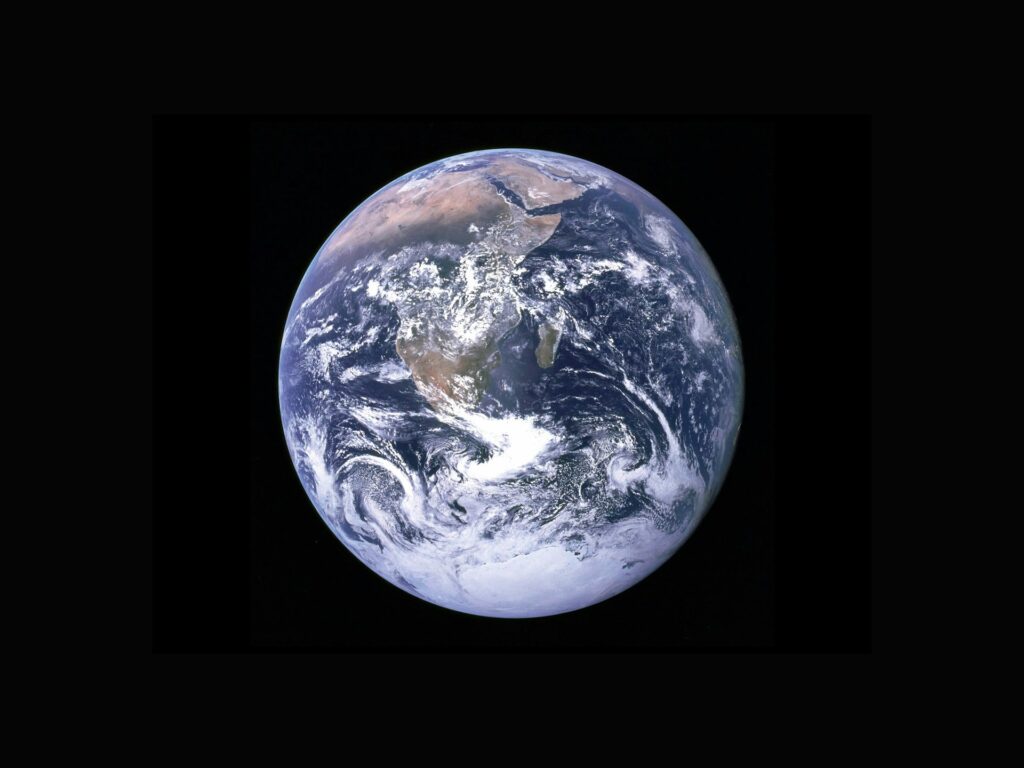
Climate change is advancing faster than our ability to govern it. This is at the heart of the call made by an international group of scientists: without a comprehensive, authoritative and shared assessment of climate risks, governments and citizens will continue to muddle along, chasing emergencies rather than preventing them.
Today the Planet is being traversed by unmistakable signs. Increasingly intense heat waves, fires out of control, extreme rainfall, coastlines receding in the face of advancing seas. Events that are no longer exceptional but symptoms of an unbalanced system. Yet we still lack a tool capable of translating this information into clear guidance for public policy.
Numbers that don’t become choices
The data speak powerfully. In the last European summer, extreme heat caused tens of thousands of deaths. In many cities, temperatures exceeded levels compatible with human physiology. At the same time, the warmer atmosphere retained more moisture, fueling violent rains and sudden storms. Science is able to measure these phenomena with increasing accuracy. What is lacking is the ability to turn projections into operational decisions.
Without a comprehensive risk map, priorities become confused. Resources are distributed unevenly, often under the pressure of the media emergency of the moment. Levees are reinforced where the sea will continue to rise, heat waves are chased with interim health plans, and action is taken after the damage has already happened. It is reactive climate policy, not strategic.
Cities on the edge, boundaries shifting
Rising sea levels make clear the extent of the choices at stake. Protecting coastlines is possible, but not everywhere and not indefinitely. In some urban areas, defense may no longer be sustainable in a few decades. Deciding where to invest, what to save and what, perhaps, to abandon requires a clear and shared picture of risks. To put it off is to accumulate costs, economic and social, that are bound to explode.
The same goes for managing extreme heat. It is not just a matter of upgrading emergency rooms, but of rethinking the layout of cities, building materials, green spaces, mobility, and the pace of work. Without a systemic vision, any intervention remains partial.
From science to policy, no shortcuts
Scientists propose a comprehensive assessment to be a tool of governance. A sort of compass capable of indicating which scenarios are still avoidable and with which choices. A transparent framework that allows citizens and decision makers to truly understand what is at stake.
There is no shortage of obstacles: scientific complexity, economic interests, political barriers, data sharing. But time is the most critical variable. Each lost year narrows the scope and makes solutions more expensive.
Building a global risk map means recognizing that climate change is not just one environmental problem among others, but the context within which development, health, security and social justice will be played out in the coming decades.