For the first time in the history of the European Union, wind and solar generated more electricity than fossil fuels. By 2025, wind and solar covered 30 percent of total electricity generation, narrowly surpassing coal, oil and gas combined, which stopped at 29 percent. A figure that marks a marked change of pace in Europe’s energy transition and tells of an electricity system that is increasingly less tied to traditional sources.The picture emerges from the European Electricity Review published by global think tank Ember, which analyzes in 2025 production and electricity consumption in the 27 member countries.
Renewables close to half the mix
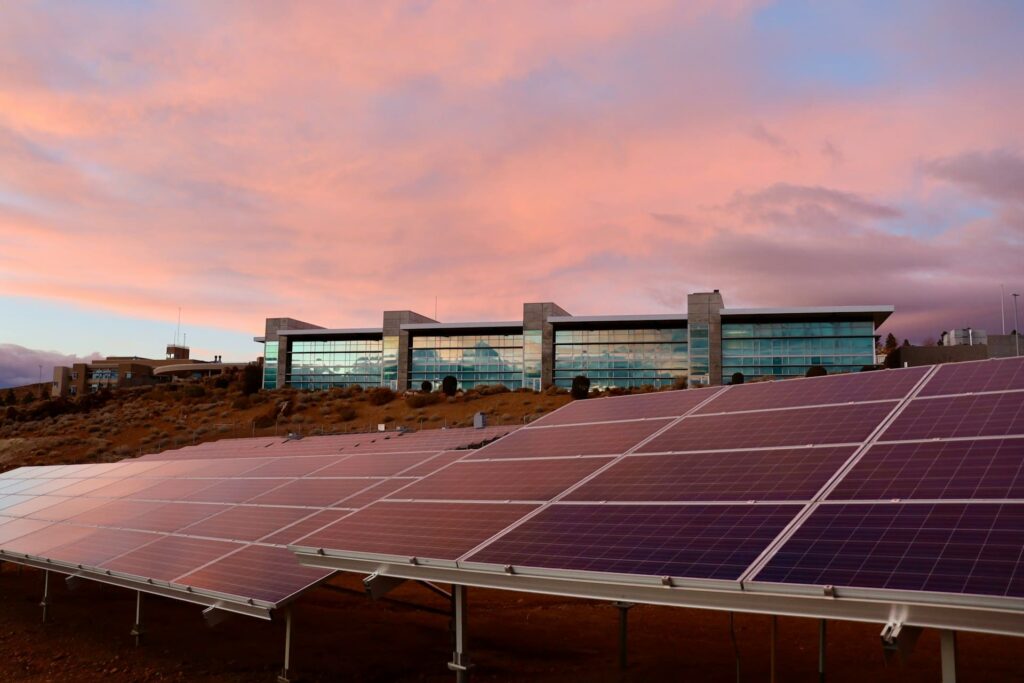
Driving the overtaking was photovoltaics, which grew for the fourth consecutive year at a rapid pace. In 2025, solar generation increased by more than 20 percent and reached 13 percent of the European electricity mix, overtaking both coal and hydro. In fact, the year was marked by weather conditions unfavorable to some renewables: less water in reservoirs and less wind held back hydro and wind, while solar continued to grind out kilowatt-hours.
Overall, renewables provided 48 percent of the Union’s electricity. Wind power remains Europe’s second largest source of electricity at 17 percent and, alone, generated more electricity than gas. In just five years, the combined share of wind and solar has risen from 20 percent to 30 percent, while fossils have fallen from 37 percent to 29 percent. A sign of structural change.
The transformation is not just about Northern Europe. Italy is also racing, especially on photovoltaics. In 2025, solar production grew by 24 percent over the previous year, reaching 17 percent of national electricity. This is a major achievement, placing the country among those where solar weighs most heavily in the electricity mix.
But gas still keeps costs high
The downside remains the heavy reliance on gas. At the European level, electricity generation from gas has increased in the past year to offset the decline in hydropower, but still remains far below 2019 levels. The problem is cost: gas imports for electricity generation have reached 32 billion euros, up from 2024. Paying the heaviest bill were mainly Italy and Germany, with a direct effect on electricity prices, which rose by an average of 11 percent.
According to Beatrice Petrovich, author of the report, the message is unmistakable: “This historic overtaking shows how quickly the European Union is moving toward an electricity system powered by sun and wind. Just as fossil dependence contributes to geopolitical instability, the stakes of the transition to clean energy are clearer than ever.”
Batteries, the key to getting out of the price trap
Here another decisive element comes into play: storage. Italy is already among the leading countries in Europe in terms of large-scale battery deployment, concentrating about 20 percent of the EU’s total operating capacity. By 2025, these systems have begun to cover a significant portion of evening demand, reducing reliance on gas-fired power plants during the most expensive hours.
The potential is enormous. In the next few years, storage capacity could grow nearly sixfold, paving the way for a model that has already been tried elsewhere. The most cited case is California, where batteries, charged with daytime solar, come to cover about one-fifth of evening consumption, drastically cutting gas use in peak demand. A trajectory that would also allow Italy to stabilize prices and reduce imports.
Renewables versus political inertia
The trend is clear, but debate remains raging because the speed of change is not yet sufficient to meet European targets and indications from the scientific community. Michele Governatori, ECCO‘s senior energy expert, points out that photovoltaics have already secured about 10 terawatt hours of electricity in 2025 despite bureaucratic hurdles and permitting delays. “Accelerating this growth is the only way to reduce energy prices in a structural way,” she notes, criticizing the trend of keeping coal-fired power plants alive and focusing on nuclear hypotheses, while gas continues to make Italy one of the most expensive energy markets in Europe.
The report reveals that renewables work, cost less and reduce external dependence. With batteries, grid flexibility and electrification of consumption, the transition is no longer a theoretical exercise. It is already underway. And it is an opportunity for Europe to increase its competitiveness.