Neglected Tropical Diseases (NTDs ) remain on the sidelines of global health priorities despite their enormous health and social impact: they affect more than one billion people worldwide. January 30, World Health Day established by WHO, returns to remind us of this. And to remind us that this is not a distant problem confined to exotic latitudes.
According to the World Health Organization, NTDs comprise 21 groups of diseases caused largely by parasites. Traditionally associated with tropical and low-resource settings, today some of these diseases are also stably present in high-income countries. Italy included.
Even here, not only elsewhere
Between 2011 and 2016, a study documented 7,375 NTD diagnoses in Italy. The numbers speak of leishmaniasis, schistosomiasis, strongyloidosis, Chagas disease, and dengue. A complex mosaic of infections that are often difficult to diagnose and underestimated due to lack of dedicated surveillance.
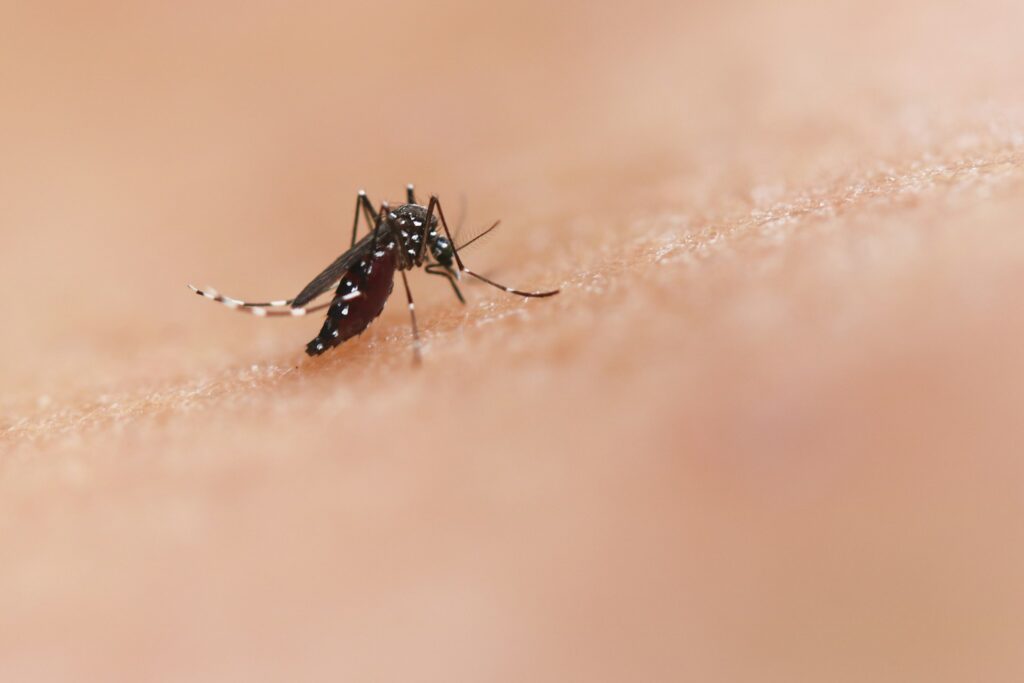
Some, such as dengue and chikungunya, are now known to the general public because they are transmitted by the Aedes mosquito, the same mosquito that proliferates in our urban settings. In 2025 alone, 469 cases of chikungunya, largely indigenous, and 217 of dengue were reported. Others remain under the radar: trachoma, onchocerciasis, leprosy, to rarer forms such as opistorchiasis.
Italian stories, ancient roots
Not all NTDs arrive on an intercontinental flight. Some are historically endemic. Such is the case with cystic echinococcosis, a zoonosis linked to the presence of sheep and sheepdogs, which caused more than 24,000 hospitalizations between 1997 and 2021. Also recorded in 2023 was the first autochthonous case in northern Italy of alveolar echinococcosis, an aggressive form that can mimic a neoplasm because of the way the parasite invades internal organs.
Climate, travel, inequality
The picture is made more unstable by climate change and increased travel. Higher temperatures and favorable environments expand the range of vectors, while global mobility facilitates the importation of pathogens. As WHO points out, NTDs“know no geographic boundaries” and require an integrated One Health approach that holds human, animal and environmental health together.
Research and surveillance
In Italy, the Istituto Superiore di Sanità is engaged in vector research, diagnostics and monitoring. A new European Reference Laboratory on helminths and protozoa has also been operational since Jan. 1, 2026, to strengthen the response to transboundary threats. Meanwhile, scientific networks and training initiatives seek to fill a decades-long gap in attention.
Neglected diseases remain so until they enter the public policy arena. The risk today is to continue to call them “tropical” while climate and geography also change our health maps.