The microplastics are no longer just a problem of the oceans or beaches. We now know that these invisible particles have permanently entered the food chain and, consequently, our kitchens. A report by Greenpeace International, based on a review and analysis of scientific studies already published in peer-reviewed journals, turns the spotlight on a disturbing aspect: the release of micro- and nanoplastics from food containers when they are heated.
Millions of people consume ready-made meals packaged in plastic trays every day, often reheated directly in the microwave or conventional oven. Those packages, labeled “microwaveable,” are perceived as safe. However, a review of numerous scientific studies shows that heat can promote the release of large numbers of micro- and nanoplastics that end up directly in food. In fact, the regulations focus mainly on the migration of chemicals, while the release of micro- and nanoplastics is still the subject of scientific debate.
Significant quantities at stake
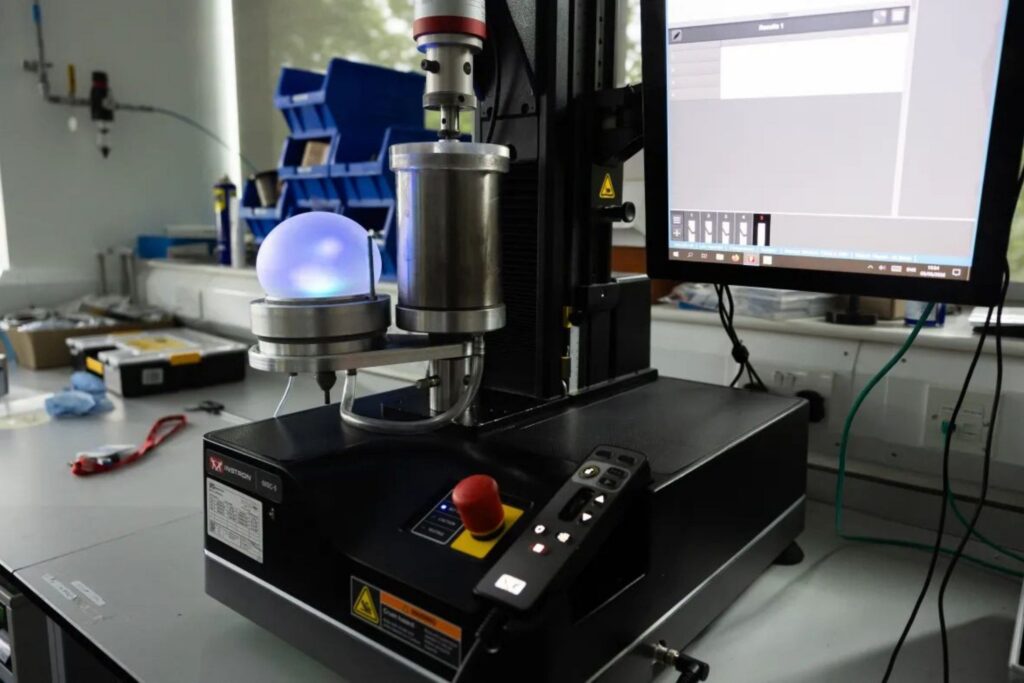
According to the report, the amounts detected in laboratory tests are significant: after just a few minutes of heating, containers can release a very large number of plastic fragments, in some cases far more than if simply stored at room temperature. These are particles so small that they are not visible to the naked eye, but minute enough to be ingested and potentially cross our bodies’ biological barriers.
The problem is not only physical, but also chemical. Plastics intended for food contact contain substances added during the production process: plasticizers, stabilizers, dyes, flame retardants. Many of these substances, Greenpeace denounces, are poorly studied or inadequately regulated. Among the most discussed appear compounds associated with endocrine disruption, alterations in metabolism and possible effects on the reproductive system. Some research has also found traces of plastic components in human blood and tissue, a sign that exposure is now widespread.
A growing market
The growing consumption of ready-to-eat meals amplifies the scale of the phenomenon. The global packaged food market is worth hundreds of billions of dollars and continues to expand, buoyed by fast-paced lifestyles and the need for quick solutions. This means that an increasing proportion of the population is regularly exposed to plastic packaging subjected to heating.
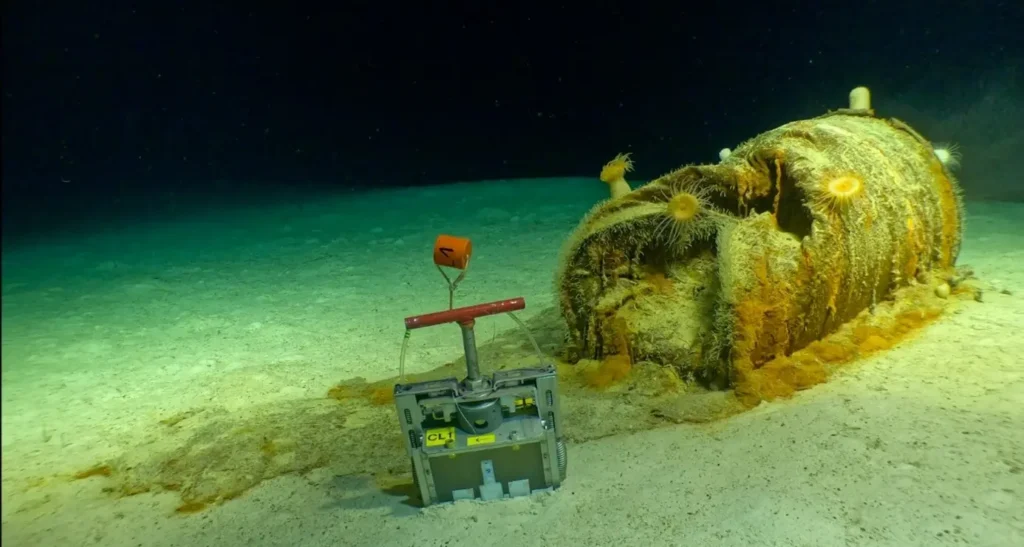
Microplastics, moreover, do not just arrive on your plate from containers. They are already present in the environment: in the seas, in agricultural soils, in drinking water. Fish and seafood can ingest them, just as crops can absorb them through contaminated soils. The result is multiple, cumulative exposures that make it difficult to accurately determine the total amount taken in by each of us.
According to Greenpeace, the central issue is regulatory. Labels indicating microwave suitability do not always take into account the release of particles on a microscopic scale. Current regulations often focus on migration limits for specific chemicals, but do not systematically address micro- and nanoplastics as such. Against this backdrop, the organization is calling for stricter rules and concrete application of the precautionary principle, including in the international negotiations sponsored by the United Nations for a global plastics treaty.
How to reduce the risk
In everyday life, a few choices can reduce exposure: transferring food to glass or ceramic containers before reheating it, preferring fresh and minimally packaged foods, and limiting the use of single-use packaging. These are simple gestures that, multiplied on a large scale, can affect both individual health and the amount of plastic released into the environment.
The issue of microplastics in food represents one of the most complex contemporary challenges. Understanding the phenomenon is the first step to reducing its impact. Because what we bring to the table should nourish us, not expose us to avoidable risks.