The year opens with a less than encouraging sign for the European automotive industry. In January, new car registrations in the European Union were down 3.9 percent compared to the same month in 2025, with about 800,000 cars registered. A retreat that reflects still cautious demand, affected by high rates, challenging price lists and economic uncertainty. The data come from the European Automobile Manufacturers’ Association (ACEA).
The slowdown is uneven. Among the main markets, Germany and France end the month in negative territory, with declines in the range of 6-7 percent. Italy, on the other hand, moves against the trend and records growth of more than 6 percent, sustained mainly by the electrified segments. Different dynamics that tell of a multi-speed Europe, where incentives, taxation and consumer confidence make the difference.
Gasoline and diesel under 40 percent
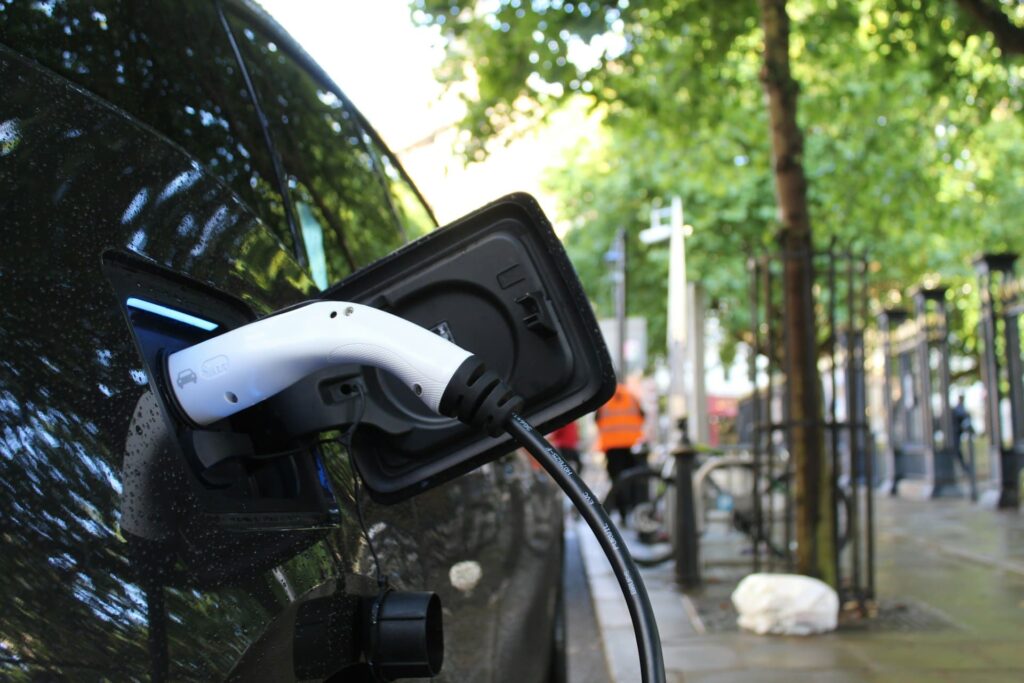
Inside the overall red figure, however, a clear trajectory emerges. Battery electric cars (BEVs) increase registrations and take their share to 19.3 percent of the EU market, up sharply from 14.9 percent a year ago. In absolute values it means more than 150 thousand electric cars delivered in January alone. Hybrids (HEVs) also consolidate their role, coming in at about 30 percent of the market, while plug-ins (PHEVs) are around 8 percent.
The result is a mix increasingly oriented toward low-emission technologies: nearly 6 out of 10 new cars registered in January in Europe have some form of electrification. At the same time, gasoline and diesel continue to lose weight, falling below 40 percent overall.
Two parallel stories
The transformation is also reflected in the competitive balance. Traditional manufacturers defend positions, but pressure grows. Some specialized electric brands show double-digit expansions, while others register setbacks. The comparison is played out on price, range, software and charging services, as well as design.
The January slowdown, then, tells two parallel stories. On the one hand, buyers’ caution, putting off important decisions. On the other, a structural change that is proceeding: the electric share is growing, hybrids remain central, and the auto energy transition continues to gain momentum. The coming months will tell whether the market will regain momentum. But one trend seems clear: while sales fluctuate, electrification does not seem intent on stopping.