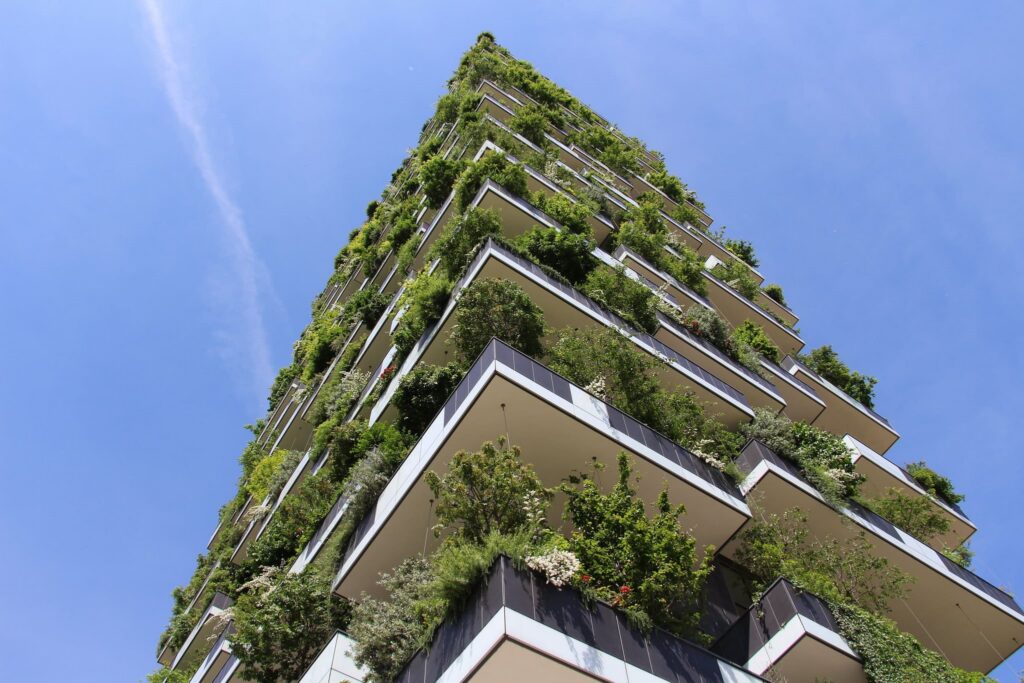
Cities seek shelter from the increasingly scorching summers, and architecture responds with an ambitious gamble: to take nature vertical. The Bosco Verticale in Milan, designed by Stefano Boeri, is the most photographed example of this trend: two residential towers that house more than 21,000 plants, convert about 20,000 kilograms of carbon per year and provide habitats for twenty species of birds. Two hectares of forest compressed into a handkerchief of the city, just a few steps from Garibaldi Station.
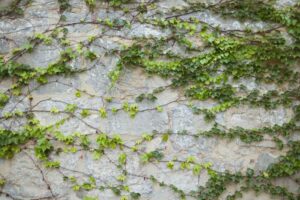
The model works, at least on paper. Botanist Ignacio Solano defends its global scalability: “In Europe it is normal for large capital cities to have two or three major vertical gardens. If you make a comparison with Buenos Aires, there are hundreds there. Mexico City has hundreds. Guatemala City has hundreds,” he explained to Euronews. These architectural systems actively regulate the urban microclimate, and the data bear this out. Vegetation lowers the temperature inside buildings by up to 3 degrees in summer and reduces cooling consumption by about 7.5 percent per year, a figure that, on an apartment building scale, has positive effects on utility bills and emissions. Solano recounted that he has personally contributed to the installation of nearly one million square meters of vertical gardens worldwide through his Alicante-based company Paisajismo Urbano. The most modern systems, he added, now consume almost zero water and require only one maintenance operation per year.
The concept of the “vertical forest” originated in Europe (it was French botanist Patrick Blanc who introduced it in the 1980s) and then spread to Latin America, where climatic conditions and urban density made this architectural solution even more urgent and viable.
Building up high
Creating a vertical forest requires automatic irrigation systems, reinforced support structures to hold weight and resist gusts at altitude, technologies that come at a cost. Maintenance is continuous: plants must be monitored, pruned, replaced when necessary, and at altitude each intervention has a multiplied cost. The result inevitably drains on property prices, and with them on benefits: thermal and acoustic insulation remains a privilege of tower residents. A public park, on the other hand, distributes its benefits on a neighborhood scale, without making income distinctions.
Green back to the ground
Projects such as Bosconavigli in Milan, again signed by Boeri Architetti, choose the ground instead of the sky: greenery at street level, lower structures, lower operating costs and, above all, open access for all. No elevators to reach a tree, no condominium fees to sit in the shade. The limitation is mirrored: in metropolises, land is scarce, disputed, expensive. Every square meter of parkland is a square meter taken away from more profitable uses, and administrations know this well.
Vertical and horizontal are not rivals but different tools of the same construction site, one harnessing height where space is lacking, the other ensuring that the benefits do not remain the exclusive preserve of those who can afford an apartment among the branches. The challenge is to decide how much of the city we really want to be everyone’s.