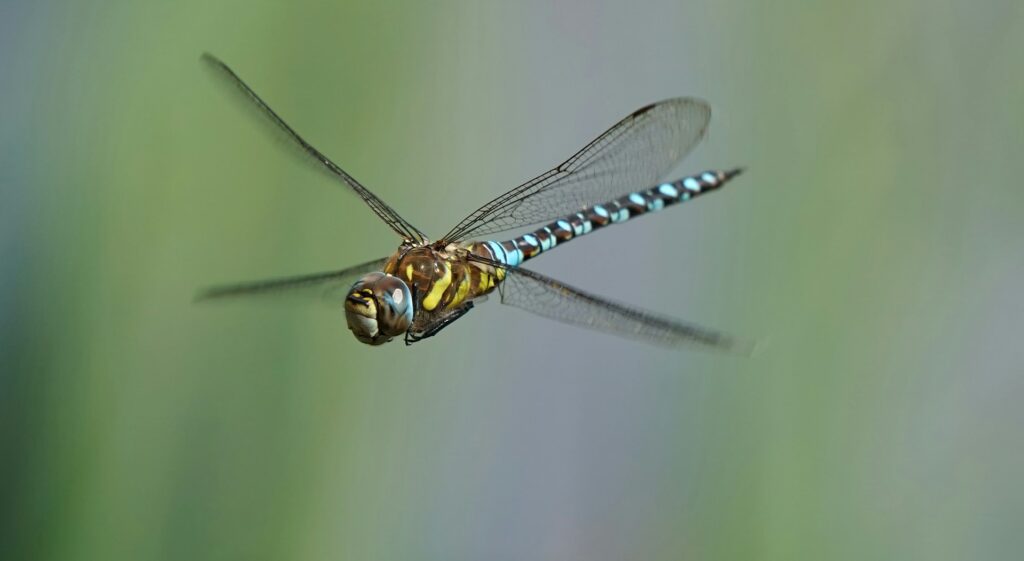
Sometimes very little is needed to put the pieces back together: a night away from traffic, a breathing forest, silence that takes its place again. This is not a romantic idea: it is a scientifically measured effect. Research conducted by the psychology departments of the Universities of Trento and Padua, in collaboration with Friland, a sustainable housing brand, has shown that a single night immersed in nature reduces stress, relieves burnout and restores mental energy.
The project collected more than 6,000 hours of experimentation and involved more than 200 participants, who were monitored before and after a stay in Friland’s tiny houses, scenic and eco-friendly cottages positioned in isolated natural settings. Here are the results: perceived well-being increased by 16 per cent, feelings of burnout dropped by 8 per cent, and the level of “regenerativeness”—the ability of a place to return attention and energy—totalled 8 out of 10, a higher value than in urban parks.
“Applying scientific methodologies in natural environments is always a challenge, but the data collected show one clear effect: nature has real and measurable regenerative power,” notes Martina Vacondio, the psychologist who coordinated the research. An empirical confirmation to what many people intuitively experience: going back into the green not only relaxes, but restores energy.
Nature as a pause that resynchronizes
The survey analysed psychological changes after six months of micro-stays in nature. The format is simple: one night in wooden mini-dwellings designed to offer quiet, open views and an almost total detachment from city rhythms.
It is not just immediate well-being. The study indicates that those who have regenerative experiences in nature also tend to adopt more sustainable and environmentally friendly behaviours. The relationship is not causal in the strict sense, but it suggests an interesting trend: when we reconnect with the earth, the desire to care for it often grows as well.
The Italian work is part of a solid body of research that has been analysing the effects of immersion in greenery on the body and mind for decades. In Japan, Shinrin-Yoku, “bathing in the woods,” was born in the 1980s to counter rising stress levels: data even then showed reductions in cortisol, drops in blood pressure and a strengthening of the immune system. In subsequent years other universities found cognitive improvements, increases in creativity and reductions in anxiety in people regularly exposed to nature.
The novelty of the project conducted in Italy is its scale and immediacy: the beneficial effects do not emerge after days of immersion, but already after just one night.
A simple and accessible therapy
In an age of constant notifications, screens and incessant rhythms, nature is in danger of becoming an abstract and distant place. The study puts it back at the centre as a physiological necessity: a space capable of mending what daily life often frays. No radical escape is needed; “small returns” are enough to regain balance, energy and lucidity.