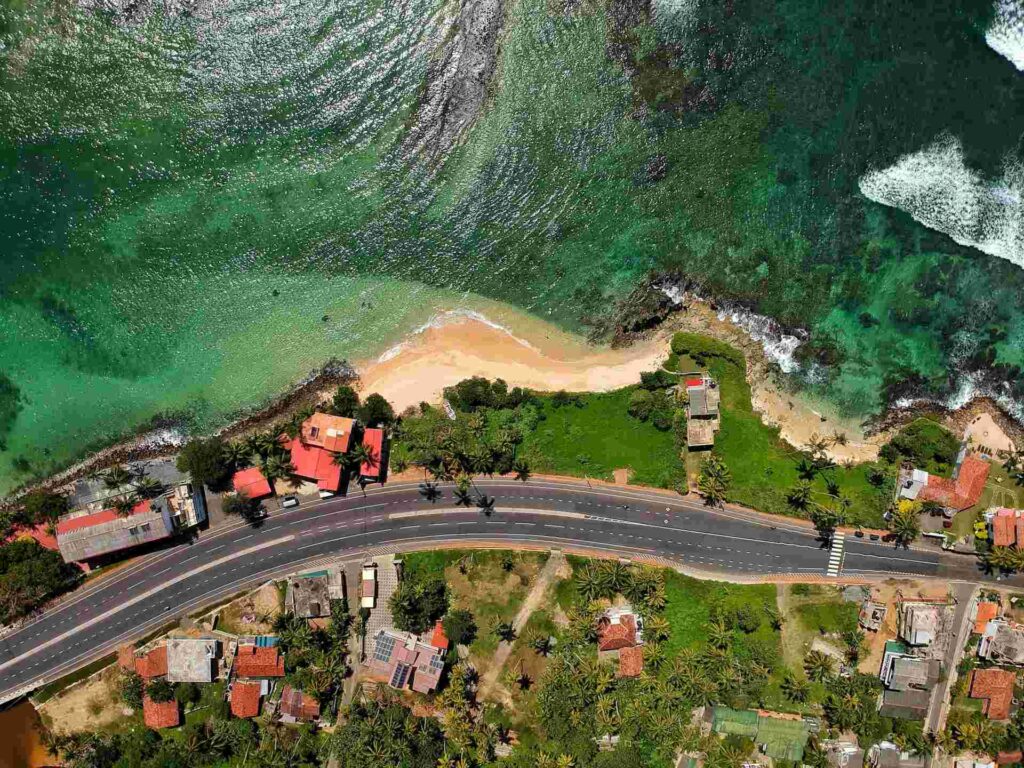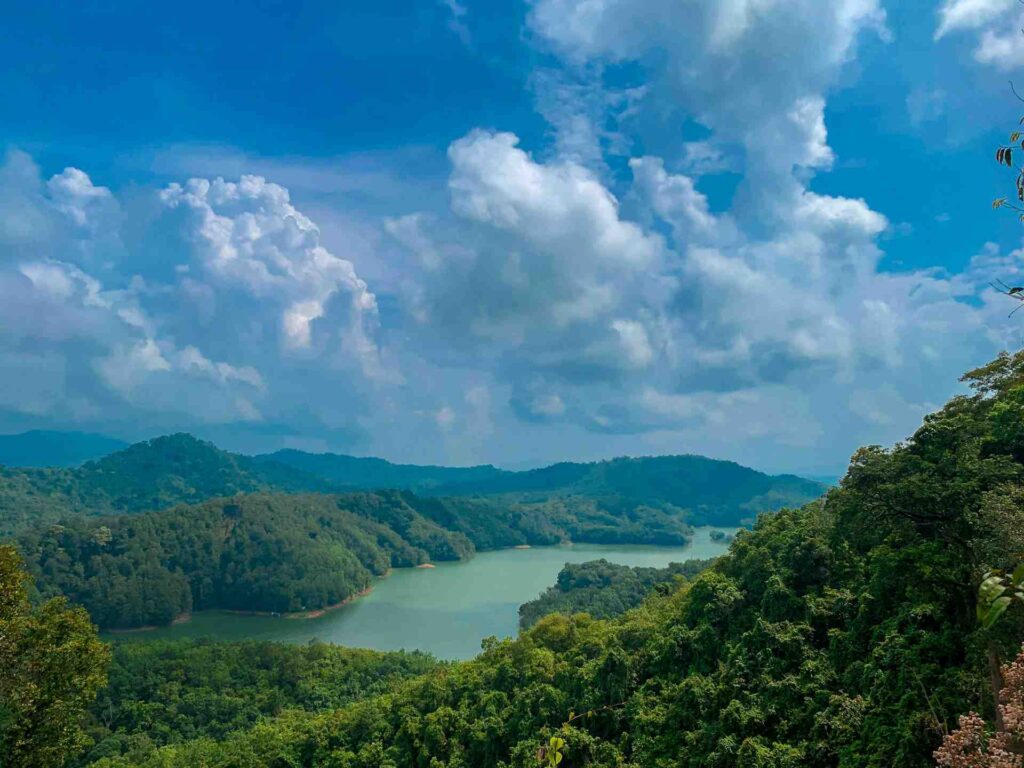
In Malaysian Borneo, where one of the Planet’s oldest rainforests stretched until a few decades ago, plantations and clearings now dominate. Deforestation has shattered the landscape into smaller and smaller green islands, condemning many species to isolation and decline. But amid this complex scenario, a German nongovernmental organization is proving that reversing course is possible.
The Rhino Forest Fund operates in Sabah, in the north of the island, with the goal of rebuilding lost ecological connections and bringing the original rainforest back to life. This is patient, scientific work, far removed from token reforestation campaigns and spot interventions.
From saving the rhinos to reviving the forest
The organization was founded in 2009 with a focused project: to save the last remaining rhinos in the region. “We wanted to use the rhino as an umbrella species to protect a large mosaic of habitats,” founder Robert Risch told Earth Org. The rhinos are gone, but the basic idea remained: to protect an entire ecological network.
Today the crucial issue is fragmentation. Forests separated by roads, swamps or plantations become biological traps. “Tabin, the largest lowland area, is isolated. Elephants and other animals are trapped,” Risch explains. In a region that is among the world’s top biodiversity hotspots, loss of connectivity equals slow extinction.
Plant less, tend more
The project is based on a rigorously scientific approach to reforestation. At the center are dipterocarps, monumental trees that form the backbone of the lowland forest. After intensive cutting, young plants struggle to grow: excessive light encourages weeds and creepers that stifle natural regeneration.
For this, the Rhino Forest Fund accompanies the seedlings for at least five years, periodically releasing them from competing vegetation until a continuous canopy is rebuilt. In each hectare, 33 planting points are identified, with five trees each, selected from native species, wild fruit trees and rare plants. A strategy that increases the forest’s capacity to support diverse fauna.
In addition, existing oil palms are not cut down because they provide useful shade for young plants; ponds are created to provide water and food for insects, amphibians and fish; and some areas remain open for grazing by herbivores.
Green corridors against isolation
The ultimate goal is to stitch together what remains of the forest. Through direct land purchases, political pressure and tunneling under highways, NGO builds ecological corridors capable of reconnecting separate habitats.
In northern Tabin, where an initial forest link was established in 2012, the canopy finally closed in 2024. Soon after, the gibbons returned.