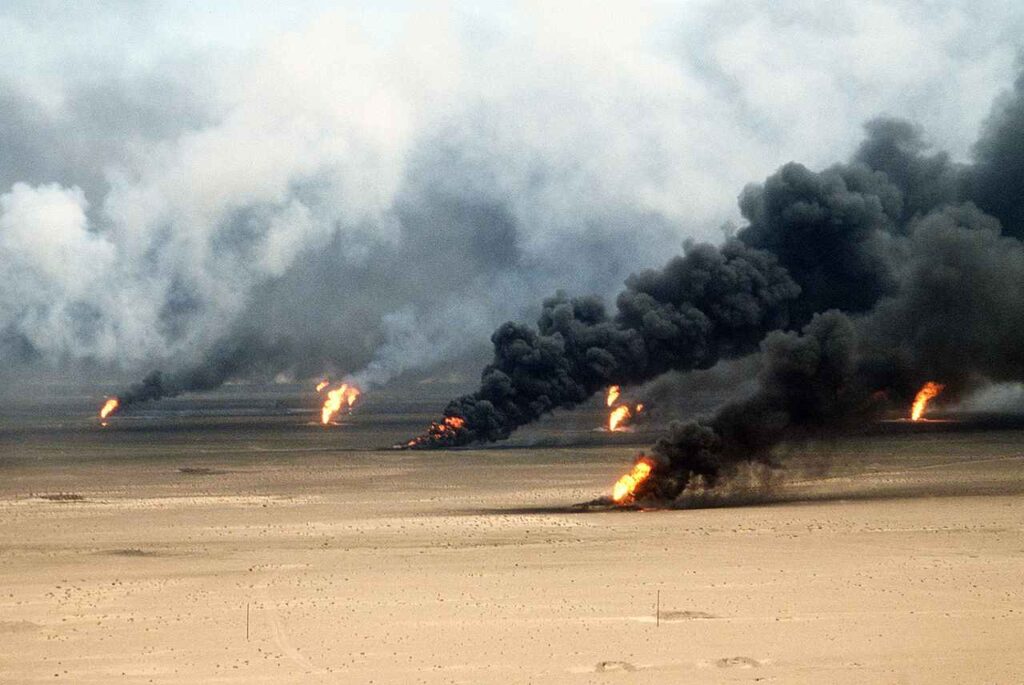
“Roasting the Planet: Big Meat and Dairy’s Big.” Nothing short of evocative is the title of the new study signed by Foodrise, Friends of the Earth US, Greenpeace Nordic and IATP on the eve of the Belém climate conference. Not least because this global barbecue is being lit in a thousand places but it is making its way especially to the Amazon that will welcome UN delegates for COP30.
A clear responsibility emerges from the analysis. The world’s top 45 meat and dairy companies emit more than one billion tonnes of greenhouse gases (CO₂ equivalent), more than Saudi Arabia, the second-largest global oil producer. And they produce more methane—the gas that has 85 times the climate-changing impact of CO₂ over a 20-year period—than all the countries of the European Union and the United Kingdom combined.
Industrial animal husbandry, in short, has rightfully joined the club of superpolluters. The top five giants in the industry (JBS, Marfrig, Tyson, Minerva and Cargill) generated about 480 million tonnes of greenhouse gases in 2023—the study calculates—more than Chevron, Shell or BP. If these 45 companies were a state, they would rank ninth in the world in emissions.
More than half of the estimated emissions (51 per cent) are methane, the “fast-acting” gas that, scientists explain, must drop dramatically by the end of the decade if we are to keep global warming within 1.5 degrees of the pre-industrial era. But the numbers are going in the opposite direction: greenhouse emissions continue to rise. And whilst climate warnings multiply, meat production continues to grow.
“An agroecological turnaround is needed.”
The report shows that three-quarters of total emissions come from just 15 of the 45 companies considered. At the top is Brazil’s JBS, which alone is responsible for more than 240 million tonnes of CO₂ equivalents in 2023, nearly a quarter of the total. The paradox is that whilst the world debates energy transition, the “food transition” remains on the sidelines of the debate. Yet the agribusiness sector’s contribution to global warming is now comparable to that of fossil fuels.
“As world leaders prepare to attend COP30, which this year is being held in the heart of the Amazon devastated by meat giants, scientists are clear that failure to reduce livestock emissions will take us well beyond the 1.5-degree threshold of global warming,” says Simona Savini, Greenpeace Italy’s Agriculture campaigner. “At the centre of our agrifood system should be farms that contribute to the restoration of nature and communities, with production based on agroecological models, not the maxi farms controlled by multinational corporations.”
The demands: transparency and turnaround
The report’s authors call on governments to introduce binding rules: mandatory emissions reporting for companies, specific methane reduction targets, policies to curb overproduction and overconsumption of meat and dairy products. Most importantly, they call for shifting public subsidies from industrial animal husbandry to models based on agroecology, food sovereignty and plant-based foods.
In other words: fewer factory barns, more living fields. Lest we continue to treat the planet like a grid.