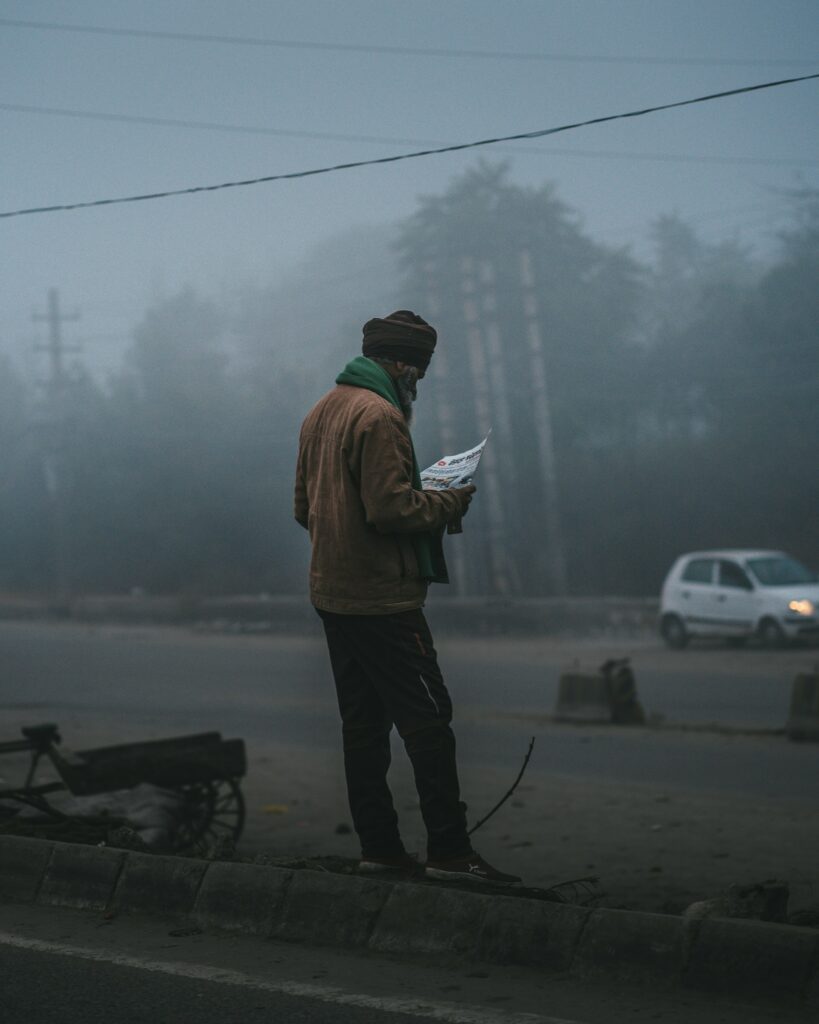
In New Delhi, where the air becomes a toxic haze every winter, authorities have decided to try yet another “creative solution”: artificially making it rain to wash away particulate matter. The technique, known as cloud seeding, involves dispersing silver iodide or other chemicals to induce water condensation and cause rainfall. But the experiment, costing more than 310,000 euros and conducted by scientists at theIndian Institute of Technology (IIT) in Kanpur, did not produce results: the cloud cover was insufficient and the humidity too low to generate significant rainfall.
The city suffocates
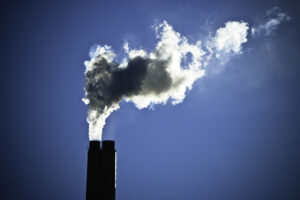
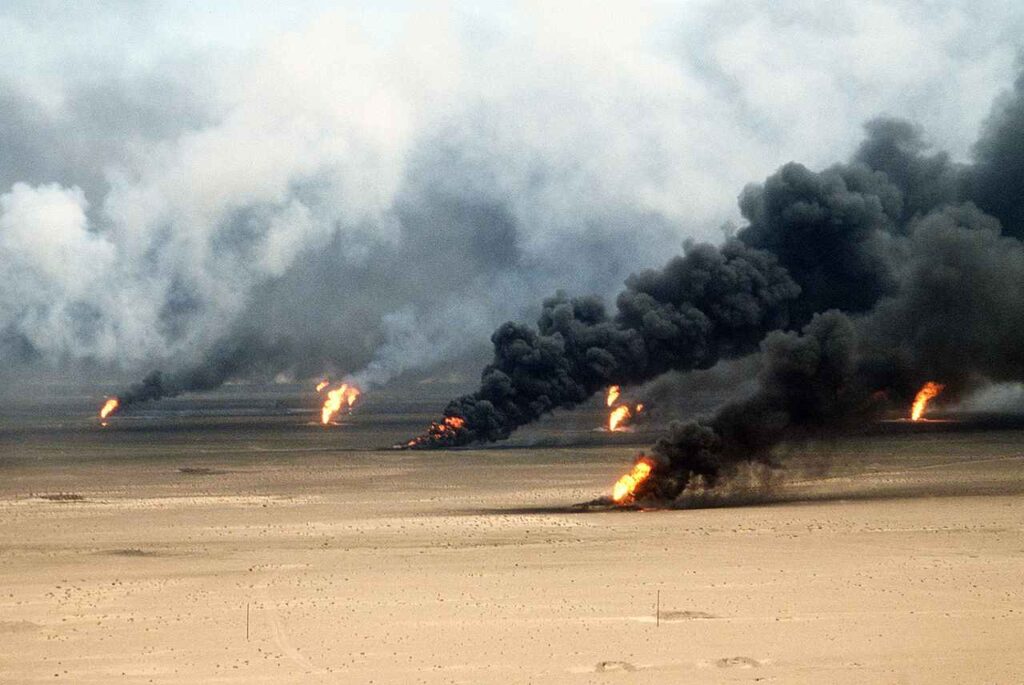
With a population of 30 million, the Indian capital is one of the most polluted cities in the world. Every year, between November and January, the deadly combination of traffic, industrial emissions and the burning of agricultural residues from neighbouring regions creates a haze that turns breathing into a hazard. Last Thursday, levels of PM2.5—the particulate matter most dangerous because it penetrates the bloodstream—exceeded the daily limits recommended by the World Health Organisation by 20 times. According to The Lancet, air contamination caused 3.8 million deaths in India between 2009 and 2019.
Drones, towers and now artificial rains: the race for miracle solutions
This is not the first time Delhi has tried unlikely avenues. In the past it has spent millions on air “purifying” towers, spraying drones and machines that are supposed to filter the atmosphere. All initiatives more scenic than effective. The current project is no exception. “Success does not always come on the first try,” commented Virendra Sachdeva, a member of PM Modi’s party, defending the tests. But experts are far less forgiving.
Scientists, “A misuse of science.”
“This is not the way to solve the problem,” said environmental activist Bhavreen Kandhari. “Only by eliminating the sources of contamination can we regain control of the air we breathe.”
Climatologist Daniele Visioni, of Cornell University, also explains that “this technique does not create rain out of thin air—it can only move moisture from one point to another, and its effectiveness in the presence of heavy pollution is yet to be proven.”
Two IIT Delhi scholars, Shahzad Gani and Krishna Achutarao, branded the initiative as “a case of misuse of science and disregard for ethics,” writing in The Hindu newspaper, “The causes of pollution in Delhi are known, as are the solutions: cleaner fuels, better waste management, strict enforcement of regulations. Instead, they prefer to offer an expensive spectacle that does not address the root of the problem.”
The sky remains grey
Even if one day the artificial rains actually succeeded in falling, experts point out, the effect would only be temporary: “Pollution levels go back up almost immediately after the rain stops. We already see this during the monsoon season,” notes Mohan George of the Centre for Science and Environment.
The result, for now, is that India’s capital continues to suffocate under a poisonous blanket, whilst politics chases shortcuts that make noise but change little. An “expensive spectacle,” as AFP calls it, in a city where breathing remains a daily act of courage.