You pay a fixed amount and get on any public transport, with no more thought of different tickets, fare zones or split season tickets. This is the idea behind the proposal launched by the Spanish government: a single national season ticket for bus, metro, and local and regional rail transport, designed to make life easier for citizens and make public transport the natural choice.
The projected cost is 60 euros per month, with a reduced rate for younger people, and the system is set to launch in January 2026. Not a lightning trial, but a structural project that aims to remain over time and change travel habits.
La gran revolución del transporte impulsada por el Gobierno socialista!!! Por una tarifa plana de 60 euros al mes, toda la ciudadanía podrá viajar en todos los trenes de media distancia, los servicios de Cercanías y los autobuses de competencia estatal. Para los jóvenes, la… pic.twitter.com/bqNkwvUAgz
— Cesar Ramos (@CesarJRamos) December 15, 2025
A political leap
Spain had already taken this path in recent years, introducing heavy discounts and free periods on regional and commuter trains. Now, however, the leap is political before it is technical: no more emergency measures related to high energy prices or inflation, but a stable, understandable and equal model for all: getting around without a car should not be complicated or expensive.
The goal is twofold. On the one hand to lighten the budgets of families, especially students and commuting workers, and on the other to reduce traffic and emissions. In a sector, transportation, that remains one of the most difficult to decarbonise, the idea is to reverse the usual logic: instead of discouraging car use by bans, make public transportation more convenient, easier and more predictable.
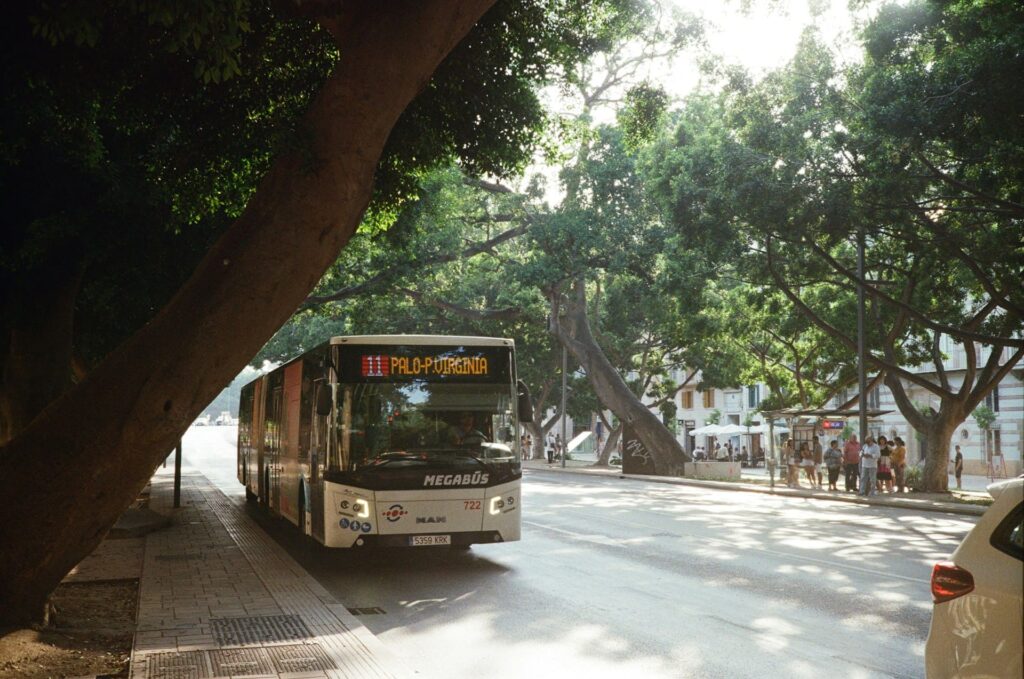
The scope of the season ticket includes public transportation services designed for daily mobility: state and local buses, subways, trams, suburban and regional trains-that is, those used daily by commuters, students and workers. Excluded, however, are long-distance connections and high-speed rail, which operate with different logic, variable prices, and a seat reservation requirement.
The choice is not random: the goal of the pass is not to incentivise tourism or occasional trips between large cities, but to take cars off the roads in everyday commutes, where traffic, emissions, and social costs are highest. In other words, the aim is to make ordinary mobility simple and convenient, leaving out premium services that still follow a market logic.
Need strong coordination
Of course, there is no shortage of unknowns. Strong coordination between the state, regions and local operators will be needed to distribute resources and ensure that the system holds up economically as well. And there remains the issue of underserved areas, where subscription is likely to be less attractive if not accompanied by a real strengthening of supply.
But the political signal is clear. With a single national season ticket, Spain is trying to say that the green transition also comes through very concrete everyday choices: getting on a bus or a train without having to think about it too much. And, if 60 euros a month really will suffice, the private car will have one less excuse.