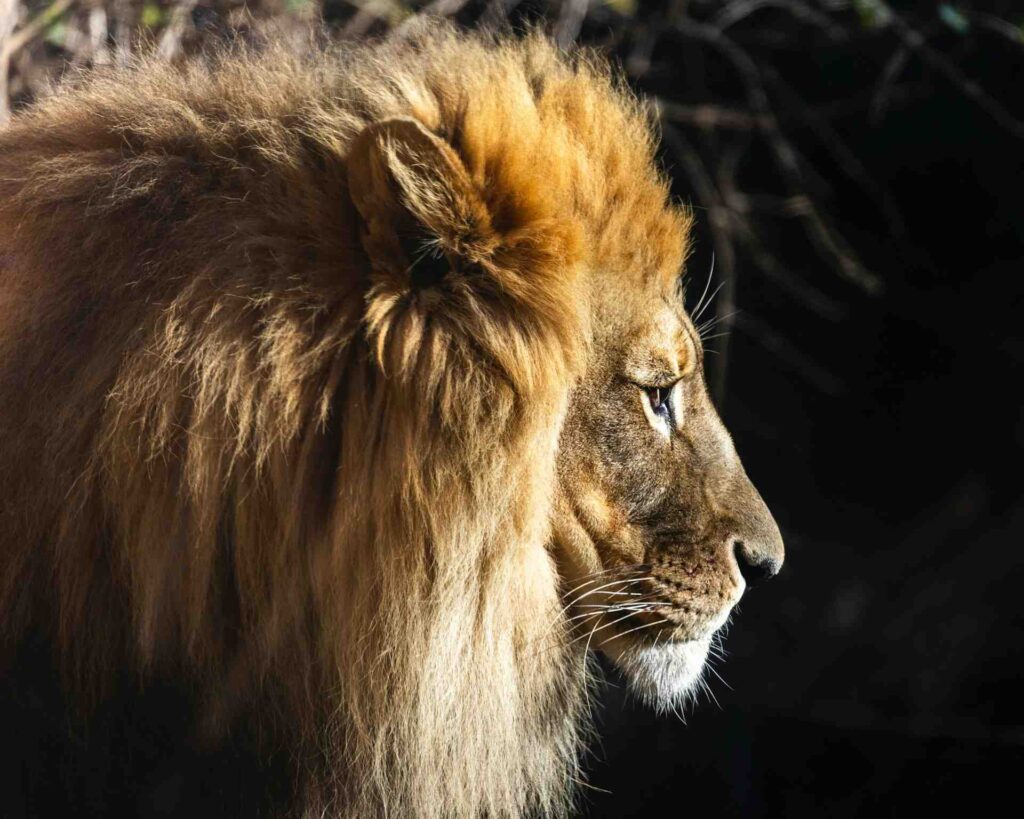
A male lion, one of those that don’t go unnoticed. Large, in full strength, monitored by researchers thanks to a radio collar. Then, suddenly, the silence of the signal. Thus began a story that could have ended up in the crowded archive of poaching without arrests and instead turned into a judicial precedent destined to set a school of thought.
We are in Zimbabwe, Victoria Falls area. The lion is lured out of the protected area, captured and killed by poachers. A familiar script: traps, guns, parts of the animal destined for the black market. For years, similar cases have gone unpunished because of a recurring obstacle: proving in court not only illegal possession, but the direct link between the animal killed and the person who killed it.
DNA evidence
This time, however, forensic science entered the picture. Investigators seized biological remains traceable to the lion. In the laboratory, DNA was extracted and a high-precision genetic profile constructed. Not a simple definition of the species, but of the animal’s individual identity, a kind of genetic fingerprint.
Comparison with samples already in the monitoring project databases did the trick. The match is clear. Those remains belong to that very lion with the radio collar that disappeared from the radar. Not a clue, but a direct link to the crime scene.
In the courtroom, the DNA evidence holds up. And convinces. The perpetrators are sentenced to imprisonment. This is the first time a sentence for the illegal killing of a lion has been based on individual genetic analysis of the animal killed. A step that marks a paradigm shift. Because poaching is not just a conservation issue, it is an organized economic crime. Behind the killing of large predators are illegal networks, international trafficking, profits that cross continents. And as long as the judicial risk remains low, the business continues. Making the evidence stronger means raising the cost of crime.
A step forward for environmental justice
Genetics applied to environmental investigations is doing exactly that: turning hair, blood, tissue into incontrovertible witnesses. A leap similar to the one that, decades ago, revolutionized murder and violence investigations.
The case of Zimbabwe also tells of another often underestimated aspect. Biodiversity protection also plays out in the courts. It needs the law to be able to dialogue with science, for judges and prosecutors to have tools to find and enhance sophisticated evidence.
As of today, poachers know that even what cannot be seen can nail them. And that a lion, even after death, can still help defend its species. A small vindication of science, and a step forward for environmental justice.