The energy axis is changing direction: the Arab oil giants are no longer just extracting crude at home, but are building their electric future in Africa. Abu Dhabi and Riyadh’s diversification strategy has undergone an unprecedented acceleration. After surpassing the $100 billion mark in investment in Africa in the previous two years, the 2026 start-up confirms that the Petrostates have broken the buck, turning the African continent into the main hub for their post-oil economic survival.
The escape from fossil risk
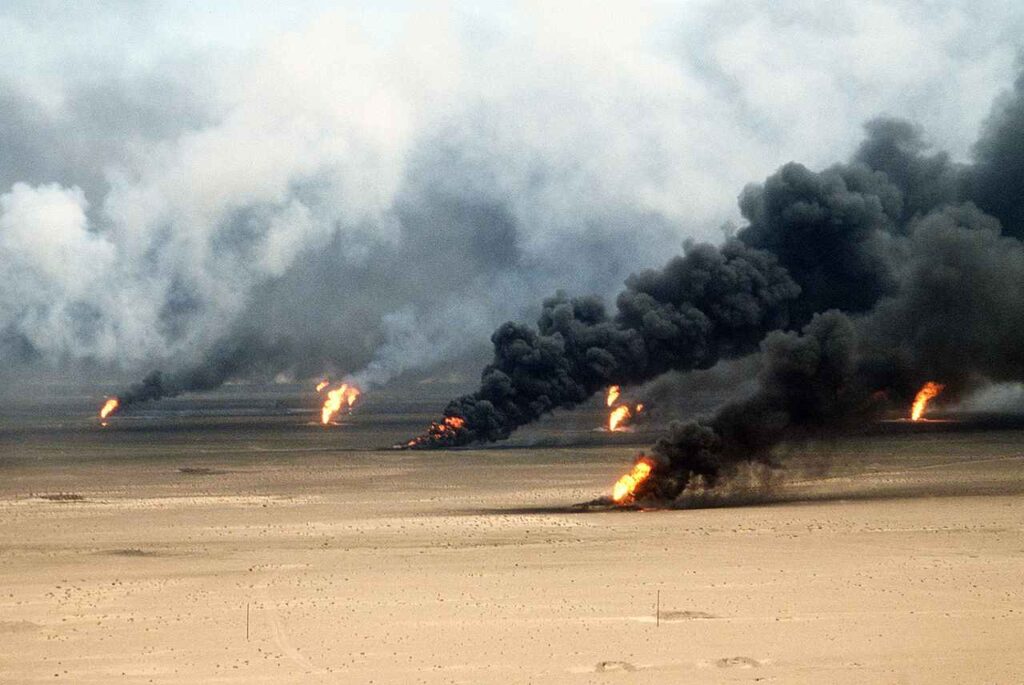
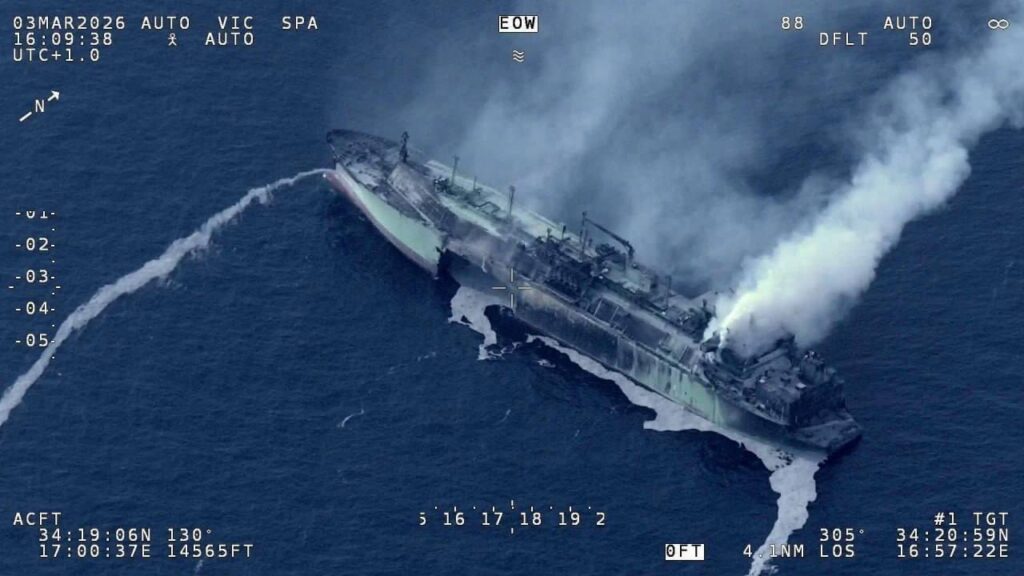
Abu Dhabi’s and Riyadh’s push for sunshine and African winds responds to a pragmatism that recent news reports have made obligatory. Chronic instability in oil shipping routes, exacerbated by tensions with Iran, has demonstrated the fragility of a model based solely on hydrocarbons.
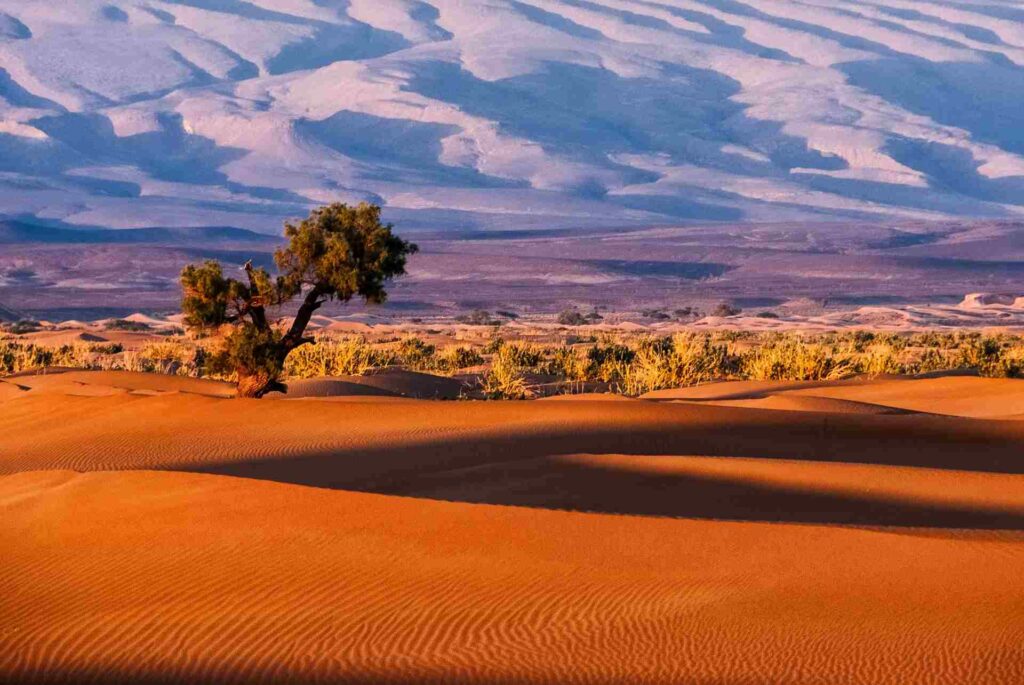
In this scenario, Africa represents the market where electricity demand is growing vertically, driven by urbanization that shows no signs of slowing down. For giants such as Masdar (Emirates) and ACWA Power (Saudi Arabia), investing in Africa means diversifying risk: if oil is hostage to strait geopolitics, the Sahara sun and Kenyan wind are stable resources that can be sold locally and converted into hydrogen for export.
Beyond energy: the minerals game
The interest of Gulf Cooperation Council (GCC) countries goes beyond simply selling kilowatts. There is a direct industrial link between new solar parks and access to critical raw materials. Many of the plants financed between 2024 and today are designed to feed cobalt, copper, and gold mining districts.
Providing the energy needed to extract the minerals essential for the world’s batteries guarantees Arab investors a front-row seat in high-tech supply chains. It is a vertical integration: those who own the energy to extract, control the price and availability of the final product.
Multibillion-dollar construction sites and structural nodes
The 2025-2026 biennium has seen the acceleration of projects that until recently seemed utopian. In Mauritania, the $34 billion green hydrogen plan is entering the crucial operational stages, while in Morocco the $14 billion agreement signed in 2025 is leading to the construction of a 1,400-km HVDC transmission line.
However, the success of this renewable push must contend with the continent’s structural limitations. Although capital flows abundantly to Egypt, Morocco and Kenya, West Africa still remains partially uncovered due to fragile national grids. As industry analysts point out, power generation is useless if there are no transmission systems capable of bringing it to homes and industries, while ensuring an electricity market that allows for certain and transparent payments.
A debt-free investment model
Unlike traditional international lending, which has often left African countries with unsustainable debts, the Gulf model is based on project finance and direct investment. Companies like Masdar do not simply lend money: they enter projects as partners, taking on a share of operational risk that Western private capital often refuses.
This approach has made it possible to overcome development finance inertia, leading to the creation of more than 18,000 jobs in the renewable energy sector alone. For Africa, the rise of the Gulf represents a way out of dependence on individual incumbent partners (such as Europe or China), offering the opportunity to negotiate its energy transition from a position of unprecedented bargaining strength.