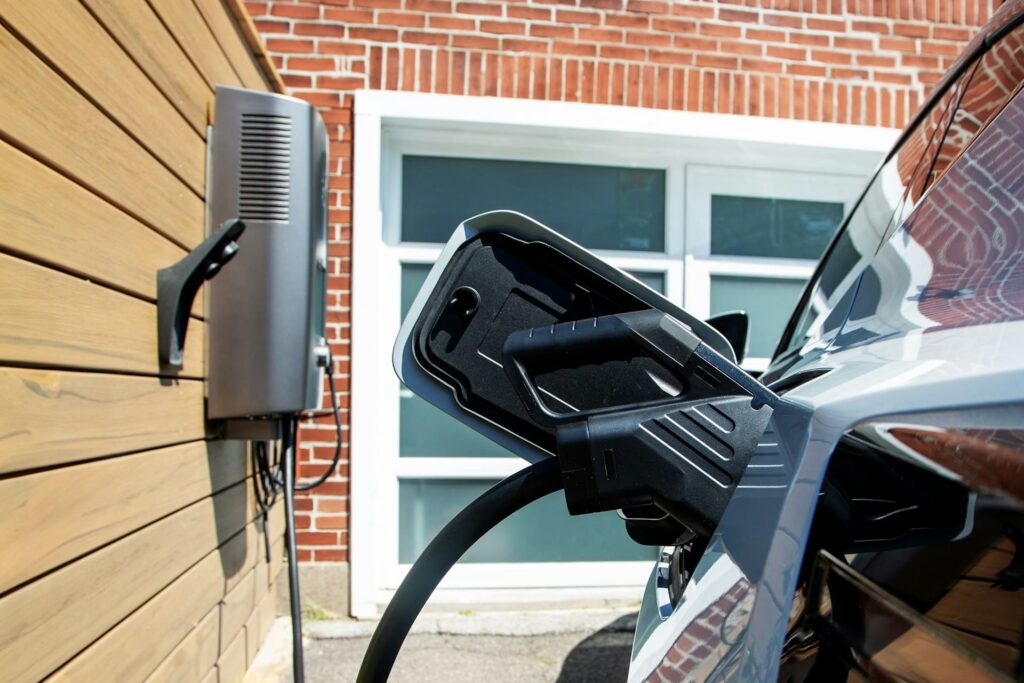
Right now in Europe there is a tug-of-war between two options, representing two mindsets. And also two attitudes toward the goods that a society shares, such as air and public space. The current European tug-of-war is about the Green Deal, and that is the technological revolution in which we are immersed.
Should we try to call ourselves out of it, leave the role of pathfinder to others? This is the position of our government, as well as of the compact array of European right-wingers: let’s leave the electric revolution to China, we’ll go ahead with the safe used. And patience if the air makes us cough a little more: the postponement technique helps maintain consensus. Not for long, but just long enough for those who govern. The practice is a variant of Nimby: instead of “not in my backyard,” Nimto, Not in my term of office. Does postponing technological innovation mean losing market share? Having fewer jobs tomorrow? When we all realize this, it will not be a problem for those who govern now.
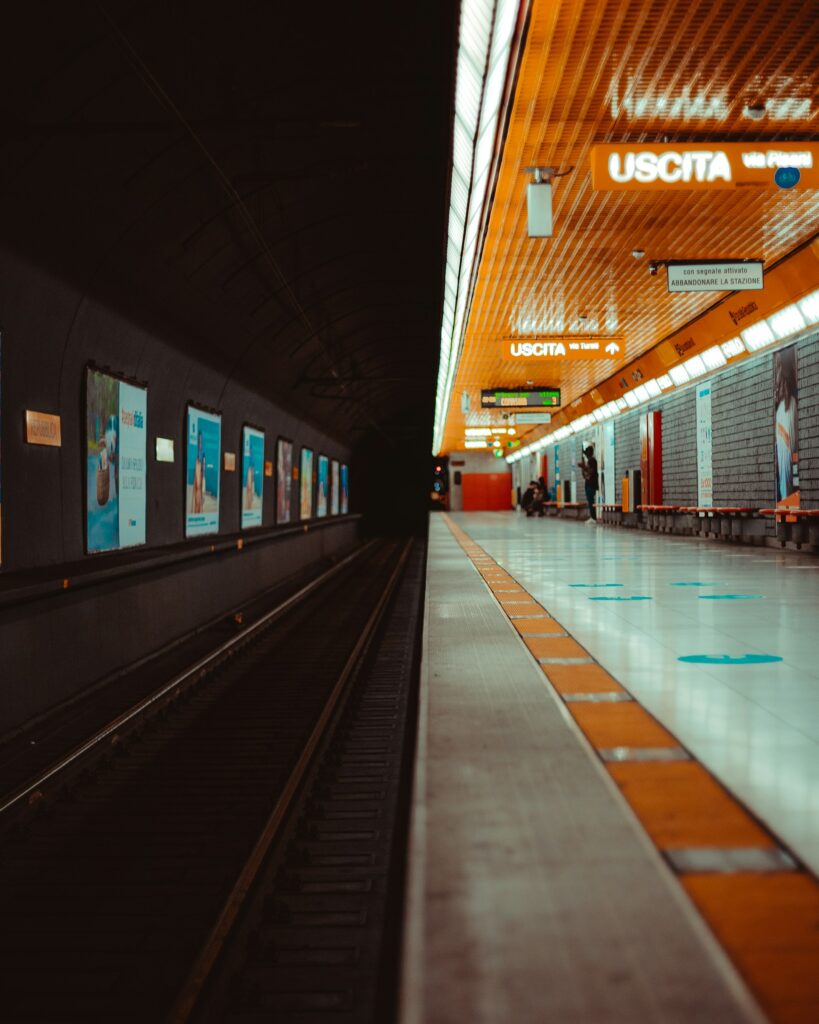
But for the community, yes. And we see this by reading the history of mobility in Rome and Milan. Milan has built over time, gradually, a good rail public transport network (metro and streetcar). Rome has had violent swings: periods of great vision and years of stagnant bureaucracy, with a decade of Alemanno and Raggi juntas stuffing the city. We see the results of these opposing choices in Areté’s new instant survey comparing the two cities.
The private car reigns in Rome: 57 percent of citizens choose it largely because they cannot do anything else. The metro network has stretched very little in recent decades, and alternatives – streetcars, buses, sharing – have had to cope with congested roads. The use of scooters and motorized two-wheelers (7 percent) shows the ability to make do: if the public administration reduces the streets to widespread gridlock, citizens try to fend for themselves individually.
Now, however, the Gualtieri junta has boldly changed course, filled the city with construction sites to make up for lost time, concentrating projects in just a few years that have taken entire administrative generations elsewhere: a strong new revitalization of subway lines, express lanes, the gradual transformation of buses to electric versions, increased bicycle lanes, more space for pedestrians. It is a running change, with all the difficulties and resistance involved, but finally visible.
Milan, on the other hand, is now reaping the benefits of a journey that began decades ago. The metro network has grown to five lines, public transport covers the territory with a ubiquity that translates into confidence: 77 percent of users say they are satisfied, compared to 28 percent of Romans. It is not just a matter of technical efficiency: it is a mobility culture that has settled over time. In the Lombard city, car use has dropped to 42 percent, while the virtuous combination of public transport, bicycles and e-bikes is growing. It is so-called “integrated mobility”: getting around does not mean choosing just one means of transport, but using the right one at the right time.
Yet even in the Capital something is moving. More and more Romans are looking with interest at new forms of mobility: carpooling, car sharing, e-bikes, integrated transportation apps. The start of construction sites for the C line, the design of the D line and the upgrading of regional rail are signs of a structural shift. And, in a city where the concentration of construction sites has created objective difficulties, the mayor’s popularity is growing: a sign that if the goal is clear and the collective benefit as well, Romans are ready for some sacrifice. A sign of hope that goes beyond the Roman horizon.