The de facto closure of the Strait of Hormuz is reshaping the energy strategies of governments and large companies around the world. That’s the picture that emerges from World Energy Investment 2026, the annual report of the International Energy Agency (Iea) that captures a season of profound changes in the sector’s spending priorities.
Global energy investment is expected to reach $3.4 trillion in 2026, up slightly from the previous year. Of this, about $2.2 trillion will go to low-emission technologies (power grids, storage, renewables, nuclear power, energy efficiency and electrification) while the remaining about $1.2 trillion is for oil, natural gas and coal.
“We are in the midst of the biggest energy security crisis the world has ever faced,” said Fatih Birol, executive director of the Iea. “This will reshape investment strategies globally, with parallels to the major changes the energy world has experienced since the oil shocks of the 1970s.”
Oil: cost goes up, investment goes down
The current crisis grafts onto a terrain already scarred by the energy shock following the Russian invasion of Ukraine in 2022. Two close emergencies that, according to the Iea, are leaving a lasting imprint on investment choices, particularly in Asia and the Middle East, the areas most affected by blockages to trade routes in the Gulf.
One of the paradoxes of the situation is that despite higher oil prices, investment in crude oil is expected to decline for the third consecutive year, falling below $500 billion. The report explains that uncertainty over the duration of the price spike, long project lead times, bottlenecks in supply chains, and scarcity of offshore platforms are holding back the response of operators outside the Middle East.
For natural gas, on the other hand, investment is projected at $330 billion, the highest level in a decade. Driving the growth is a wave of new liquefied natural gas (LNG) export projects, particularly in the United States and Qatar.
More investment in solar than gas
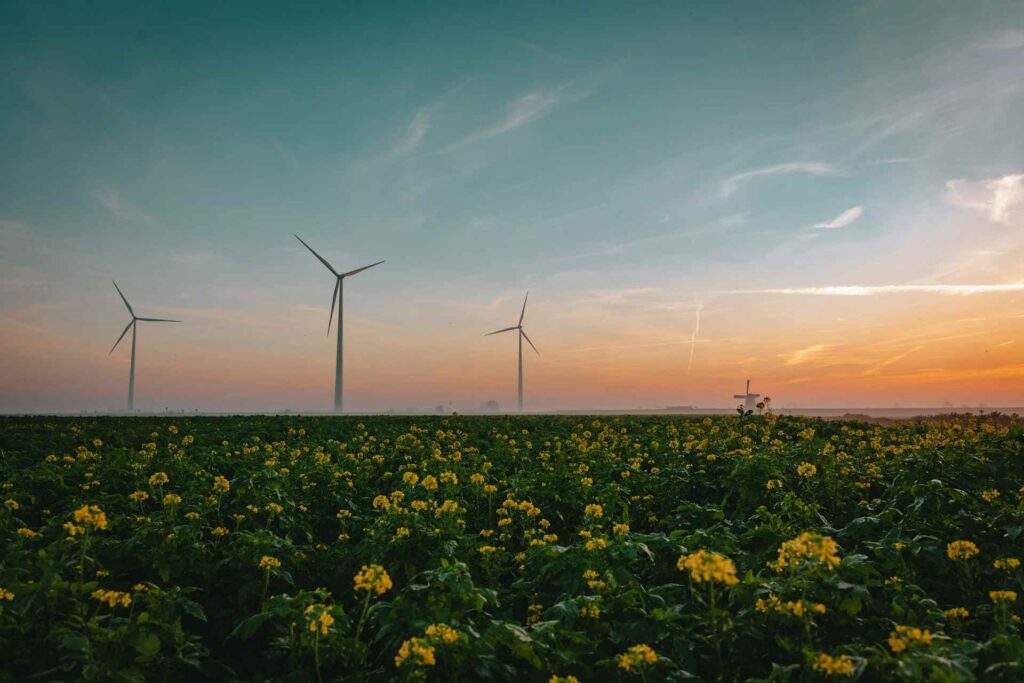
On the renewable energy front, total spending is expected to be around $665 billion in 2026, with $365 billion allocated to solar alone (more than gas). Annual growth in investment in renewables has slowed after years of accelerated expansion, but low-emission sources continue to account for more than 70 percent of total investment in power generation worldwide.
Electricity remains the common thread throughout the investment season. Spending on electricity supply and infrastructure is expected to approach $1.6 trillion in 2026, rising to $2 trillion if end-use electrification is included. Investment in electricity grids is targeting nearly $550 billion (up nearly 20 percent year-on-year), while battery storage will exceed $100 billion for the first time.
The shadow of conflict in the Middle East
On the energy efficiency side, the report points out that energy efficiency policies have expanded their coverage in recent years: about $350 billion is invested in efficiency improvements globally each year. The Iea reports that at least 20 countries have already announced new measures in response to the current crisis, although significant gaps remain.
Where does Italy stand in all this? While the Iea report certifies that more than 70 percent of the world’s investment in electric generation goes to low-emission sources, the Meloni government continues to focus firmly on fossil fuels both from the standpoint of electric generation and mobility. On the transportation front, we are among the countries most hostile to European deadlines on electric. On the energy front, the Mattei Plan and supply policies aim to replace the old dependence on gas with a new dependence. The record cost we pay on our utility bills is the inevitable result of curbing innovation.