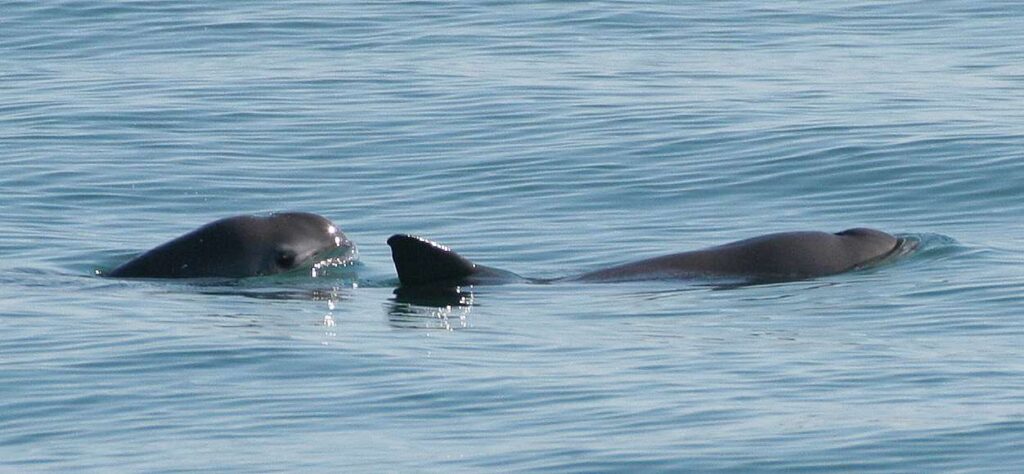
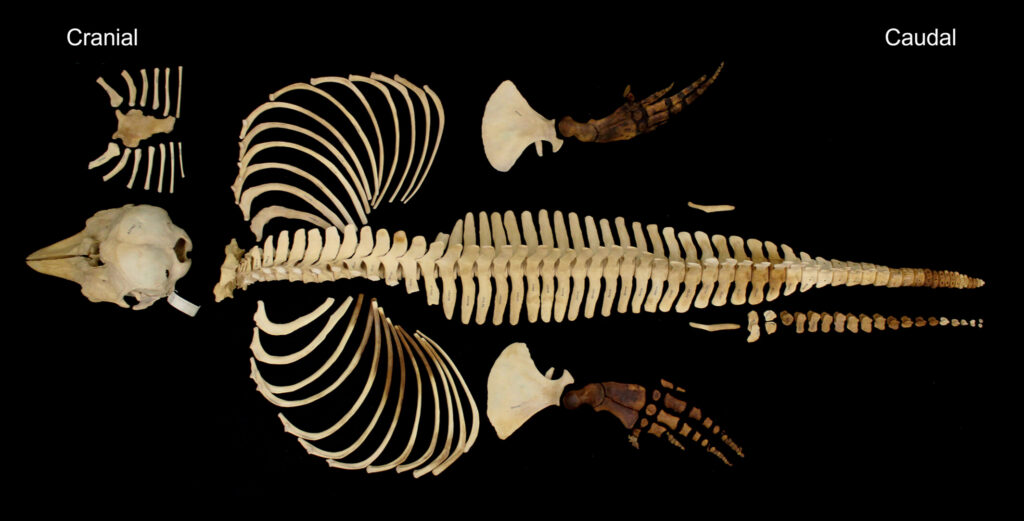
A skeleton collected sixty years ago off the coast of Baja California has become the basis for one of the most advanced digital archives ever created for an endangered species. Using ultra-high-resolution 3D scans, a team of researchers led by Florida Atlantic University has reconstructed the complete anatomy of the vaquita (Phocoenasinus), the small porpoise whose wild population is now estimated to number between seven and ten individuals. The project, published in the journal Marine Mammal Science, provides the global scientific community with a wealth of open-access, free data, designed as a new practical tool for the conservation and study of biodiversity.
From CT scans to the cloud
The skeleton used for digitization belongs to a female specimen collected in 1966 and housed at the San Diego Museum of Natural History. To map every single bone without damaging the specimen, scientists employed advanced diagnostic techniques, including computed tomography (CT) and micro-CT scans, supplemented by thousands of ultra-high-resolution photographs.
The result is a navigable, downloadable 3D model that allows users to observe anatomical details smaller than the thickness of a human hair. Minuscule skeletal structures—which in the past could only be studied by physically handling fragile, one-of-a-kind specimens—are now accessible to any computer connected to the internet.
“We want to influence vaquita conservation and raise awareness about the species, but essentially it’s about making biodiversity data accessible,” Jamie Knaub, the study’s lead author, explained to The Guardian. “A single dataset can yield a wealth of information on biodiversity, conservation, and evolution.”
The 3D files and related photographic material have been uploaded to the open-source scientific platform MorphoSource, where they are already freely available to universities, museums, and international research institutions.
The Ecological Context and the Effectiveness of Protective Measures
The need for such a detailed digital archive stems from the drastic reduction in the vaquita’s habitat and population, a species first scientifically described as recently as 1958. In 1997, the estimated population was fewer than 600 individuals; since then, the decline has been precipitous, falling to 59 individuals in 2015 and to fewer than twenty in 2018. The latest monitoring campaigns indicate a 75% probability that the remaining population now ranges between seven and ten animals.
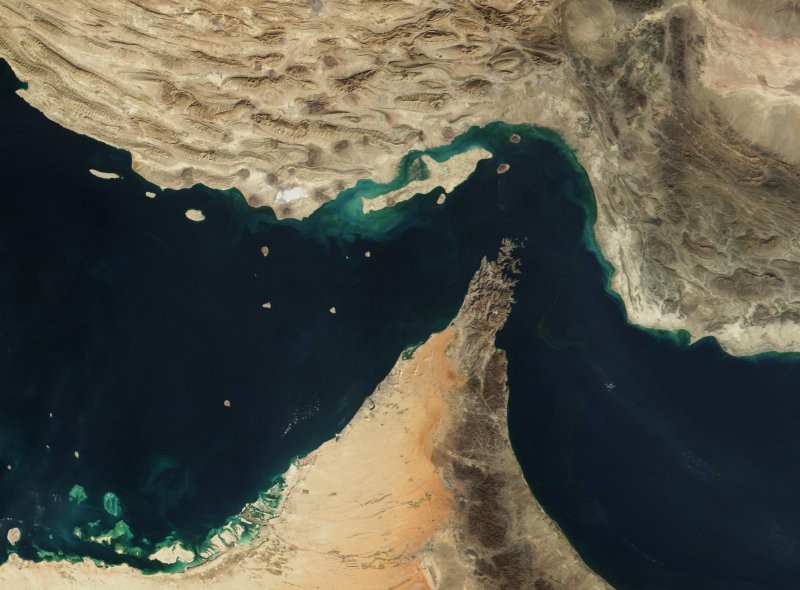
The main threat is accidental capture in gillnets used for the illegal fishing of totoaba, a fish whose swim bladder is traded at extremely high prices on the black markets of Asia. Despite increased surveillance in the Zero Tolerance Zone by the Mexican Navy and the active removal of illegal nets by nongovernmental organizations such as Sea Shepherd, the impact of poaching continues to hinder the species’ recovery.
In this context, the digitization project also addresses a specific statistic highlighted by the authors: the number of vaquita specimens preserved in scientific collections in the United States and Mexico now exceeds the number of individuals counted at sea, with an estimated ratio of about twelve to one.
Data Sharing as a Resource for the Future
The availability of a high-fidelity 3D model offers an alternative to the loss of biological information, extending the possibilities for analysis beyond the physical boundaries of Central American and U.S. laboratories. The morphological data collected can be used for comparative studies of cetaceans, biomechanical simulations, and insights into the species’ adaptive response to environmental stressors.
Digitization is no substitute for marine patrols or the removal of illegal fishing gear, which remain the cornerstones of efforts to prevent the vaquita’s extinction in the Gulf of California. However, cloud storage ensures that the wealth of accumulated knowledge is not lost, providing a global educational and scientific platform for understanding the evolutionary mechanisms of one of the Earth’s most vulnerable marine mammals.