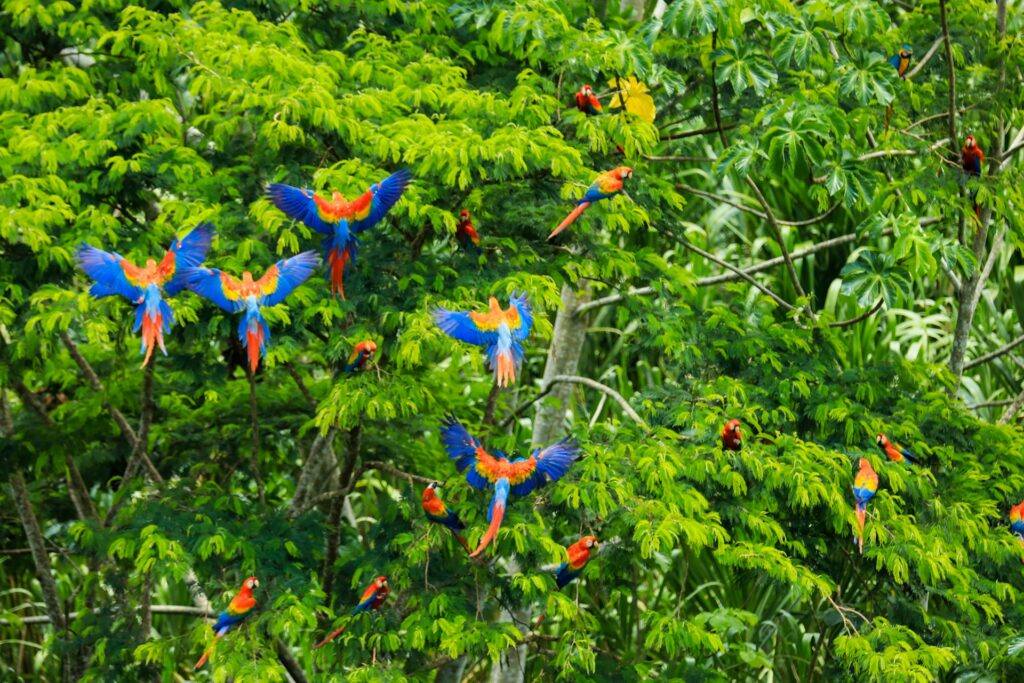
A year ago, the Amazon was burning more fiercely than ever. Today, however, there is good news from the green heart of the planet: in 2025, fires in the Brazilian portion of the world’s largest rainforest fell to their lowest level. This has been confirmed by the environmental monitoring network MapBiomas, which, by cross-referencing satellite images, calculated that approximately 3.1 million hectares went up in smoke—the smallest area since records began in 1985. Along with the fires, deforestation has also declined: fewer felled trees mean less dry wood ready to catch fire, creating a virtuous cycle for a forest that, with its dense vegetation, remains one of the planet’s main carbon sinks and a crucial bulwark against global warming.
The Downside of 2024
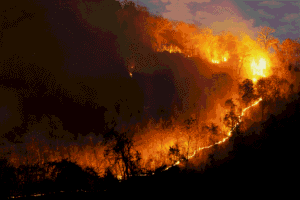
The comparison with the previous year is stark. In 2024, an exceptional drought had turned the forest into a vast tinderbox, fueling fires—most of which were started by humans—and destroying trees, vegetation, and precious rare species. The year 2025 reversed this trend in a way that geographer Ane Alencar, the report’s coordinator, described as “extraordinary.”
Paradoxically, it was the abnormal weather itself that helped. A delayed rainy season between 2024 and 2025 closed the “ideal window” for fires set for agricultural purposes to clear the land. Added to this was a “psychological factor”: local communities, terrified by the inferno of the previous year, mobilized to keep the fires under control. Fires have declined across the country, reaching their lowest levels since 2018. The exception is the Cerrado, the vast savanna of central Brazil, which has continued to burn at the same rate.
The Super El Niño Wild Card
However, the situation remains fragile. Alencar herself warns that the arrival of a “super El Niño” could increase the risk. In March, the U.S. agency NOAA estimated a 62% probability that the phenomenon would develop over the summer, with a one-in-three chance that it would reach “strong” intensity between October and December 2026. For the Amazon, this would mean a longer dry season and an increased risk of wildfires. El Niño, which occurs at irregular intervals and typically lasts about a year, tends to raise global temperatures and make weather events more extreme.
Lula’s Gamble: Between Promises and Contradictions
The data support the approach taken by President Luiz Inácio Lula da Silva, who in 2022 promised to eliminate deforestation by 2030. Under his predecessor, Jair Bolsonaro, deforestation had reached an all-time high; under Lula, the trend has reversed, so much so that in the first quarter of 2026, deforestation reached its lowest level in a decade. “There is no climate security for the world without a protected Amazon,” the leader reiterates, as he sets his sights on a fourth, non-consecutive term in October. However, contradictions remain: his approval of a major offshore oil exploration project off the coast of the Amazon has drawn criticism from environmentalists.