New Zealand has been added to the global mapof H5N1 avian influenza. The first case was confirmed in a brown skua, a migratory seabird found dead on a beach near Wellington. The report, announced on July 15 by Biosecurity Minister Andrew Hoggard, marks the beginning of a new phase of surveillance for a country that is home to some of the world’s most unique and vulnerable bird species.
The virus, which has already caused millions of deaths among wild birds and farmed animals since 2021, had also reached Australia, the last continent before New Zealand to report the presence of H5N1. New Zealand authorities, however, have not yet detected any outbreaks on poultry farms or widespread mortality among wildlife.
“There is no evidence of mass mortality among wildlife or of transmission among wild birds in New Zealand. No cases have been detected in poultry,” Hoggard told Reuters.
A threat to species without evolutionary defenses
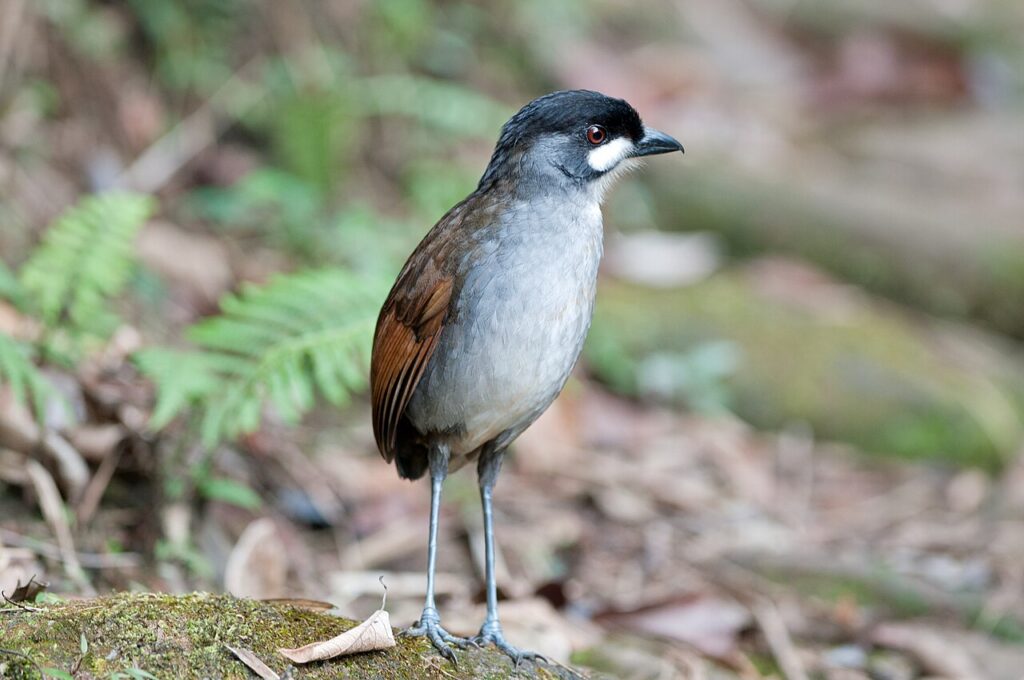
The authorities’ attention is focused primarily on endemic species, many of which have evolutionary characteristics that make them particularly vulnerable. New Zealand’s geographic isolation has, over millions of years, fostered the development of a unique fauna, often lacking the ability to fly and exhibiting ground-nesting behaviors.
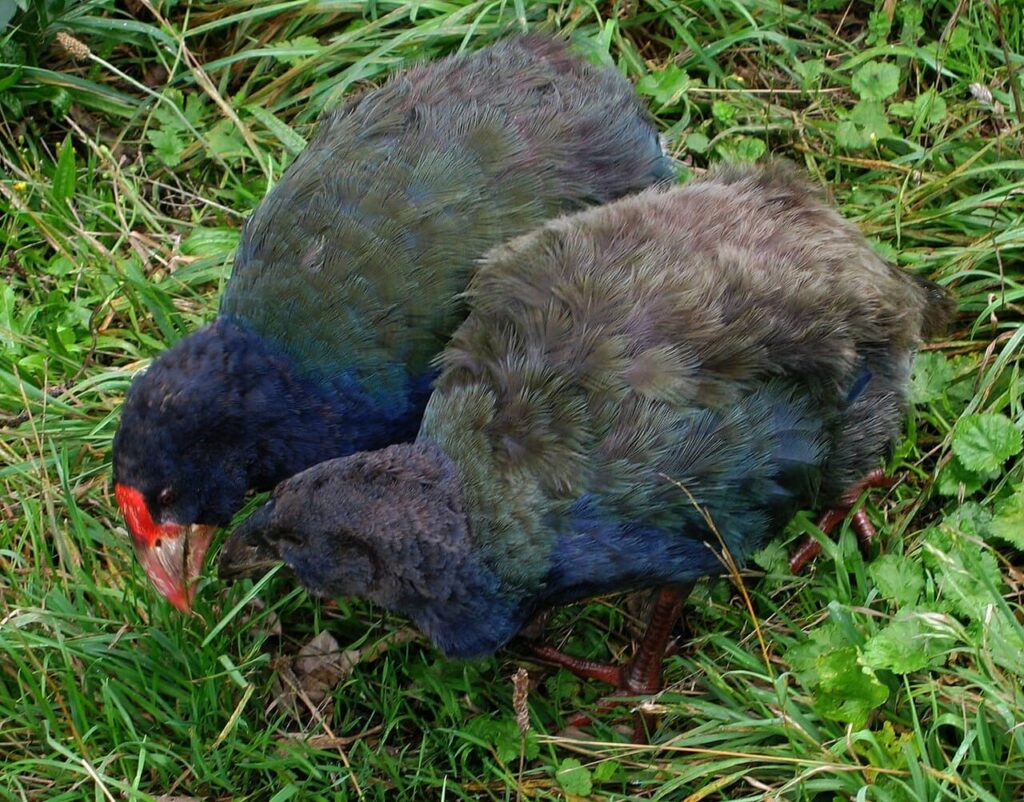
It is precisely these unique characteristics—which have made species such as the takahe and the kakapo famous—that now make them vulnerable. These birds evolved in an environment almost devoid of native terrestrial mammals and have not developed defense strategies against many of the biological threats that emerged later, ranging from introduced predators to new diseases.
The threat posed by H5N1 thus compounds an already critical situation, marked by habitat loss and the presence of invasive species such as stoats, rats, and feral cats.
Vaccines for 300 individuals of the species most at risk
To mitigate the potential impact of the outbreak, authorities have launched a vaccination program targeting approximately 300 nesting birds belonging to five species considered among the most endangered in the country. Among them are the takahe and the kakapo, both of which are flightless.
The vaccine had already been tested last year and had shown no adverse side effects, but its effectiveness in the event of actual exposure to the virus has yet to be verified.
At the same time, Wellington has stepped up inspections and collaboration with the poultry industry to strengthen biosecurity measures. “We will intensify surveillance and testing, but in general we will continue to work with the industry as we have done so far,” Hoggard explained.
Biodiversity Under Scrutiny
Experts say the risk is greatest for populations that have already dwindled to just a few individuals. Brett Gartrell, a professor of wildlife health at Massey University, expressed concern about the consequences that a rapid spread of the virus could have on the rarest species.
“We are incredibly concerned about New Zealand’s biodiversity because our birds have never faced anything like this before,” he told Reuters. “If it were to spread rapidly in New Zealand, we could be in trouble.”
The first case recorded in the country does not currently indicate an out-of-control emergency, but it marks the arrival of H5N1 in one of the world’s most fragile island ecosystems. The authorities’ response is now focused on prevention, monitoring, and protecting the species that, more than others, might not get a second chance.