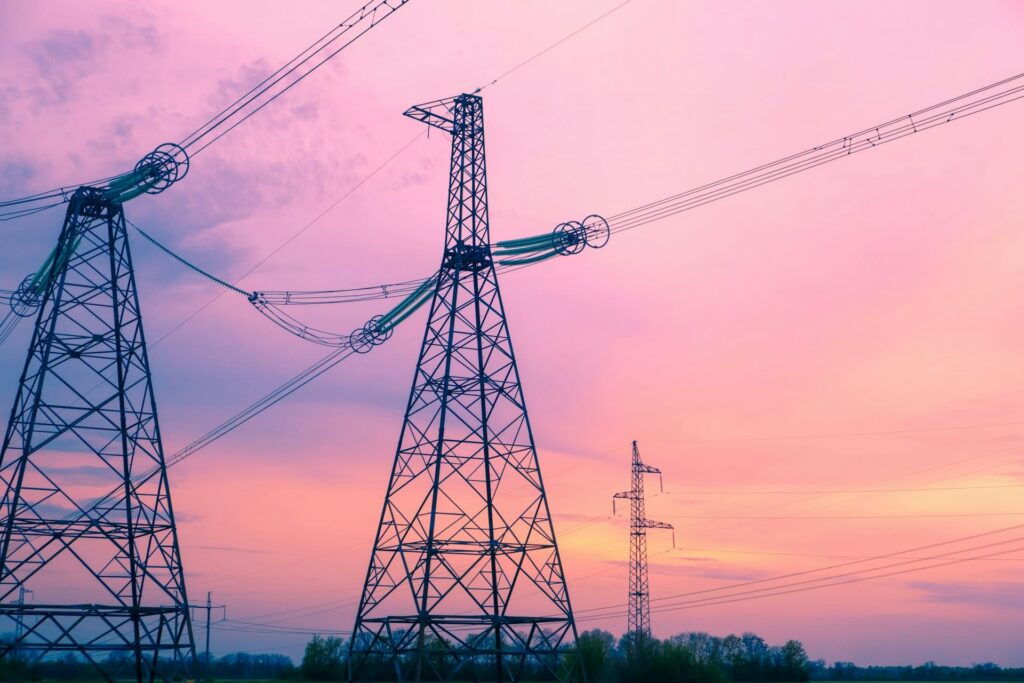
According to the European Commission’s report on the implementation of the RepowerEU plan, in 2025 the wholesale price of electricity in Italy reached 116 euros per megawatt-hour—the highest in the European Union—compared to an average of 85. ARERA’s annual report confirms this picture: the Single National Price stood at 115.9 euros, up 7% from 2024, while the average in France was 61.1 euros and in Spain 65.3.
This gap is borne by households and businesses: the electricity bill for a typical household, with consumption of 2,700 kilowatt-hours, amounts to about 960 euros per year—23% more than the average for European Union countries. Meanwhile, for Italian industry, energy costs about twice as much as in the United States and more than 50% more than in China.
The gas ballast
The roots of the problem are well known. In 2025, fossil fuels accounted for 52.3% of the country’s electricity generation—one of the highest shares in the European Union—and under the marginal pricing mechanism, it is almost always the last gas-fired power plant called upon to meet demand that sets the price for the entire market. The war in the Middle East and tensions in the Strait of Hormuz did the rest, driving natural gas prices back up.
Another factor is the system’s limited flexibility: in the evening hours, when solar power shuts down, it must rely heavily on thermal power plants, compounded by an unfriendly tax system: in the price of industrial electricity, the cost of raw materials accounts for 61%, while transmission costs, carbon costs, and taxes account for 10%, 11%, and 18%, respectively.
Brussels’ response
After months of pressure from governments—led by Italy—the Commission has decided to take action. On July 17, it will present its energy package, based on two pillars: an action plan for electrification and measures regarding grid tariffs. The core of the legislative proposal is fiscal: electricity will be taxed at a lower rate than natural gas. New research from the environmental think tank ECCO helps illustrate the extent of this distortion: electricity—the cheapest and cleanest source for lighting and heating a home—is currently taxed up to twenty times more than natural gas. A leaked draft of the new Action Plan for Electrification also outlines a “green VAT” with reduced rates on electric vehicles, heat pumps, and home batteries, as well as a target for the electrification of consumption by 2040.
The stated goal is to replace two-thirds of gas demand and cut oil demand in half, with estimated savings of up to 200 billion euros on fossil fuel imports. The package follows the emergency measures launched this spring under AccelerateEU, ranging from more flexible state aid to energy vouchers for vulnerable households. A revision of the ETS—the CO2 emissions trading system—is also expected around the same time, including an extension of free allowances for energy-intensive industries and a 30-billion-euro fund for decarbonization.
The Standoff Over the ETS
The overhaul of the carbon market also marks the conclusion of a long political battle. At the European Council meeting in March, Italy, along with a group of Eastern European countries, had called for the suspension of the system, but ran into resistance from France, Germany, and Spain, as well as the automatic defense of Commission President Ursula von der Leyen. The compromise was to bring the reform forward to July and open negotiations with Rome on the energy bill decree—the measure through which the government attempted to offset the cost of emissions allowances for gas-fired power plants, which has come under scrutiny under state aid rules.
The Game in Rome
Brussels, however, can only do part of the work. National issues remain: system charges that inflate utility bills and could be shifted to general taxation; an energy levy on businesses that in 2024 accounted for 27.5% of the final cost—nearly double the European average; market rules that hinder the full utilization of renewables. The paradox for the country with the most expensive electricity on the continent is this: the solution recommended by Europe is to increase electrification, but without competitive prices, it risks being an ineffective remedy.