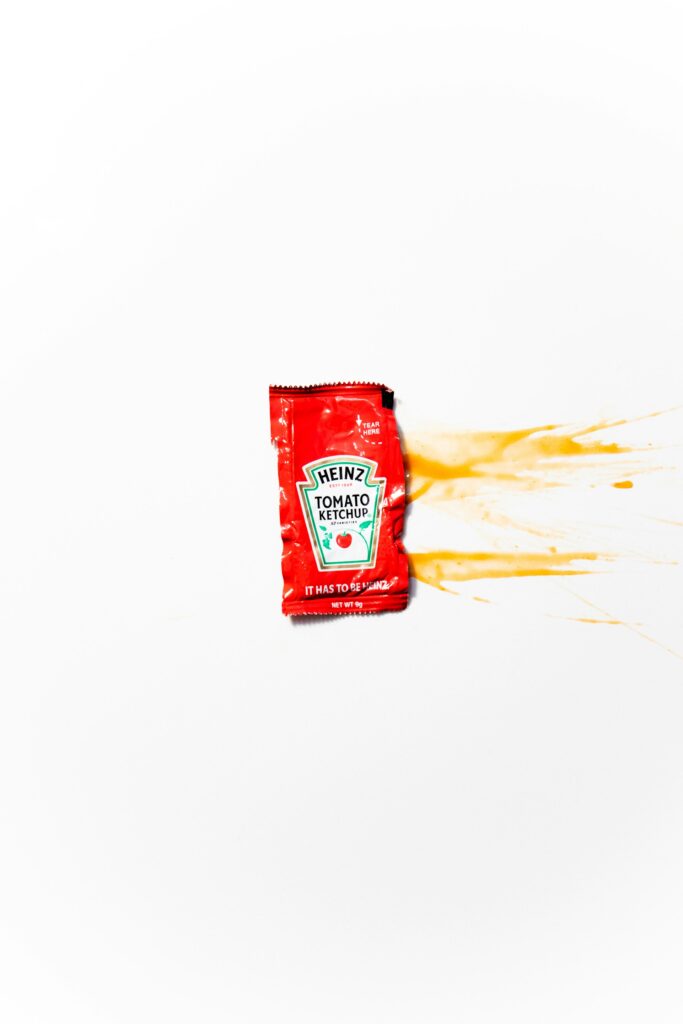
Those little sachets of ketchup and mayonnaise that end up punctually on the tables of bars, restaurants and fast food restaurants have their days numbered. The European Union has decided to turn over a new leaf and take action on one of the symbolic objects of the “disposable” culture, initiating a crackdown on single-serving packaging intended for consumption on the spot.
The breakthrough comes with the new European Packaging and Packaging Waste Regulation, which will come into force in the summer of 2026. The goal is to sharply reduce the amount of waste that is difficult to recycle by focusing on reusable formats, refill systems, and solutions that are more compatible with the circular economy.
Materials that are difficult to recycle
The problem with sachets is not the contents, but the container. These small wrappers, often made of mixed materials such as plastic and paper coupled together, are among the most complicated wastes to recover. In most cases they end up in the undifferentiated bin or, worse, dispersed into the environment. Multiplied by the millions of meals consumed every day in Europe, they become a heavy item in the waste budget.
Starting in 2026, the first restrictions will come into effect, mainly affecting on-premises consumption. It will no longer be possible to serve ketchup, mayonnaise and other condiments in single-serving packages when customers eat at the table. The real crackdown, however, will come in 2030, when the ban will become structural and affect an even wider range of products, including sugar.
The alternatives
Catering will therefore have to change habits. Instead of sachets will come dispensers, refillable bottles, washable containers or dispensing systems designed to reduce waste without sacrificing hygiene. For many establishments, this will not be a total revolution: those who have already made more sustainable choices will simply find themselves ahead of the game.
The situation is different for take-out food, where single-serve will continue to be allowed at least in the initial phase. Here, too, however, Europe is pushing alternative models, such as reusing containers or deposit systems, to reduce the overall volume of packaging.
The measure is causing debate, especially among those who fear additional costs or organizational problems for bars and restaurants. But Brussels is pulling straight: cutting unnecessary packaging is considered a necessary step to reduce the food sector’s environmental impact.