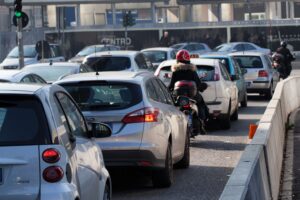
Sixty-three thousand deaths. That’s how much extreme heat cost Europe in 2024, according to data from the Lancet Countdown. A number that the Pan-European Commission on Climate and Health (an independent body convened by WHO regional director Hans Henri Kluge) puts at the center of a Call to Action presented yesterday, on the eve of the World Health Assembly in Geneva.
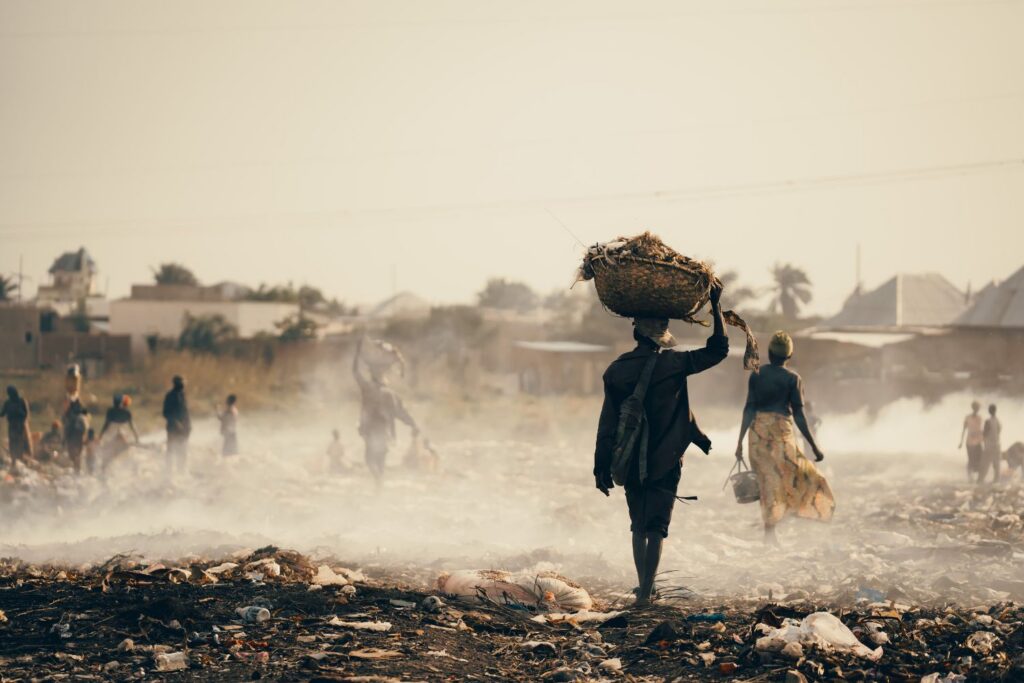
The climate crisis cuts no one any slack: globally in 2024, heat exposure caused the loss of 640 billion working hours (about twice the annual average of the 1990-1999 decade) equivalent to more than 300 million full-time jobs. And in Europe, the bill is particularly heavy: deaths from heat spikes are growing, the risk associated with extreme weather events is worsening, and the danger of new epidemics is increasing.
From tiger mosquito to drought
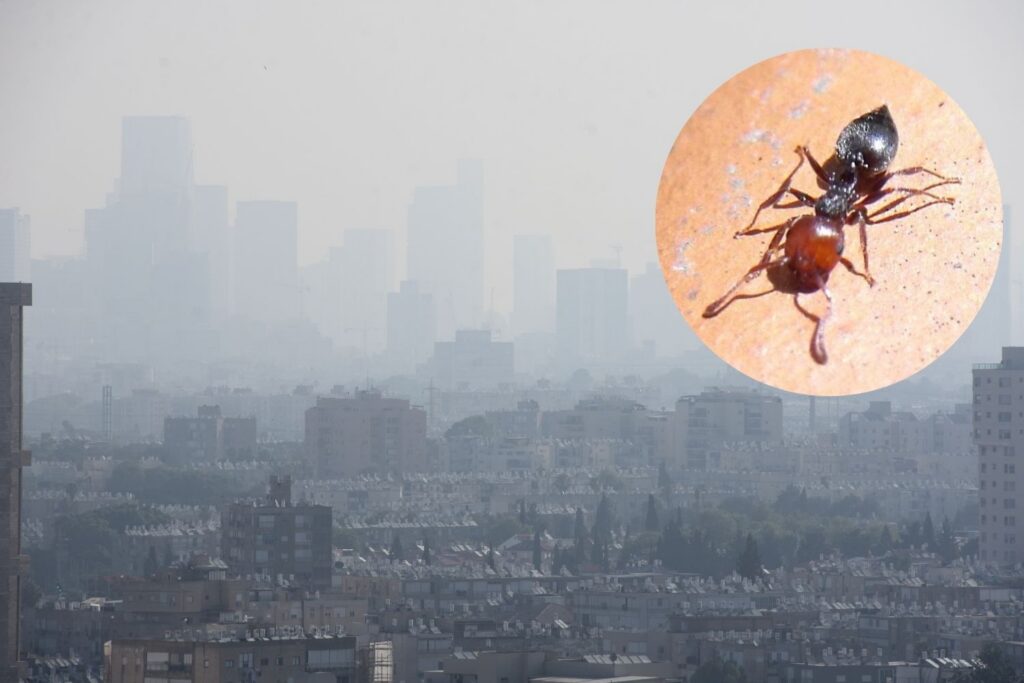
On the infectious disease front, the rapid northward expansion of Aedes albopictus-the mosquito vector of dengue and chikungunya-is increasing the population at risk in the pan-European region (which includes Central Asian countries) by nearly 5 million people a year. Diseases that until a few years ago were confined to the tropics are now appearing in countries with no historical record of local transmission.
On the food front, drought already accounts for 54 percent of agricultural losses in the European Union, we are talking about 28 billion euros a year. Wheat yields in southern Europe are projected to plummet as much as 49 percent by 2050 under high-emission scenarios.
An already worrisome trend that could get worse. Indeed, recent research shows a significant change in the Gulf Stream trend detected by satellites, a potential early sign of a weakening of the Amoc. A collapse would lead to an abrupt cooling of northwestern Europe and a large-scale collapse in agricultural yields. The report also cites other tipping points: accelerated Arctic ice loss, Greenland ice sheet collapse, and permafrost destabilization. Each brings with it cascading effects on health, ecosystems and livelihoods across the region.
Fossil fuel subsidies funding the damage
One of the most important passages in the paper concerns the structural contradiction of economic policies. The Lancet Countdown Europe estimates that in 2023 the value of fossil fuel subsidies in the pan-European region reached about €444 billion (in 43 countries with available data). Even taking into account the approximately 79 billion euros in carbon tax revenues, net subsidies remain at 365 billion: public money that finances pollution and health damage.
The figure becomes even more embarrassing on a national scale: in 12 countries net fossil subsidies exceeded 10 percent of national health spending in 2023; in 4 countries they even exceeded the entire health budget. The commission proposes radical reform: phase out fossil subsidies and high-emission red meat production, reallocate these resources toward affordable renewable energy, public transportation, efficient buildings, and healthy, sustainable diets.
The four priorities
The economic aspect is one of the four priorities emphasized in the report:
1. Declare climate health emergency. The committee calls on the WHO to formally declare climate change a “health emergency of international concern.” Anddi create a climate-health information hub accessible to all countries, to counter misinformation and climate denialism with fact-checking tools updated in real time.
2. Transforming health systems. Recommendations include: integrating climate resilience into professional accreditation standards; transforming care pathways to reduce emissions; and integrating mental health into national climate-health plans.
3. Strengthen local and community solutions. Municipalities are called upon to establish low-emission zones, heat action plans, active mobility infrastructure, and accessible green spaces.
4. Reform economic, financial and regulatory systems. The paper calls for integrating climate-health assessment criteria into legislative budget processes, strengthening air quality standards, and developing social progress indicators “beyond GDP” that focus on health, equity and sustainability.
Who made the report
The commission is chaired by Katrín Jakobsdóttir, Iceland’s former prime minister, and is composed of 11 commissioners-including Asvis scientific director Enrico Giovannini and former EU climate commissioner Connie Hedegaard-with scientific support from Andy Haines of the London School of Hygiene & Tropical Medicine. The work, which lasted from June 2025 to May 2026, included three public hearings and two special consultations, gathering input from policymakers, scientists, civil society representatives, and voices from the most affected communities.
The report rejects the idea that acting on climate is an economically unaffordable luxury. On the contrary, Oxford Economics estimates prepared for the committee show that inaction imposes huge and rising costs. At 3 degrees of warming, global GDP losses could reach 10 percent; in the most vulnerable countries in the low latitudes, this is as high as 17 percent.
Instead, the benefits of immediate action are tangible and distributed: cleaner air, healthier diets, safer infrastructure, lower health care costs. “These gains are within the reach of all countries,” the commissioners write. It is not just a matter of values: it is also a matter of arithmetic. The window still exists, “but it is shrinking rapidly.” It is time for action.