From the semi-desert volcanic coast of Fuerteventura to the Swedish boreal forest, via the Italian piedmont plains: the first European joint monitoring campaign of wild pollinating insects started on May 20. Involving seven countries and eight zoological facilities, including the Zoom Torino biopark, lead partner in the Zoo LIFE Pollinators 2025-2029 project, co-funded by the European Union.
The other partners are Braşov Zoo (Romania), Copenhagen Zoo (Denmark), Debrecen Zoo (Hungary), Nordens Ark (Sweden), Oasis Wildlife Fuerteventura (Spain), Slottsskogen Zoo (Sweden), and Zagreb Zoo (Croatia). In all, sixteen partners in nine European countries came together to take – at the same time – a snapshot of the starting environmental conditions in their territories.
A shared protocol
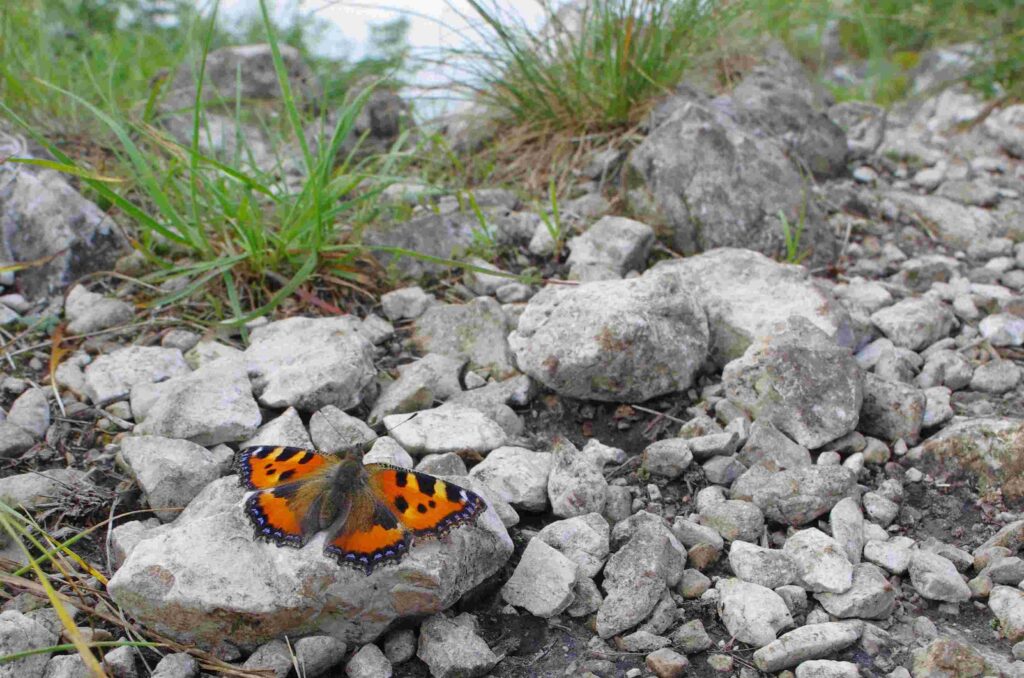
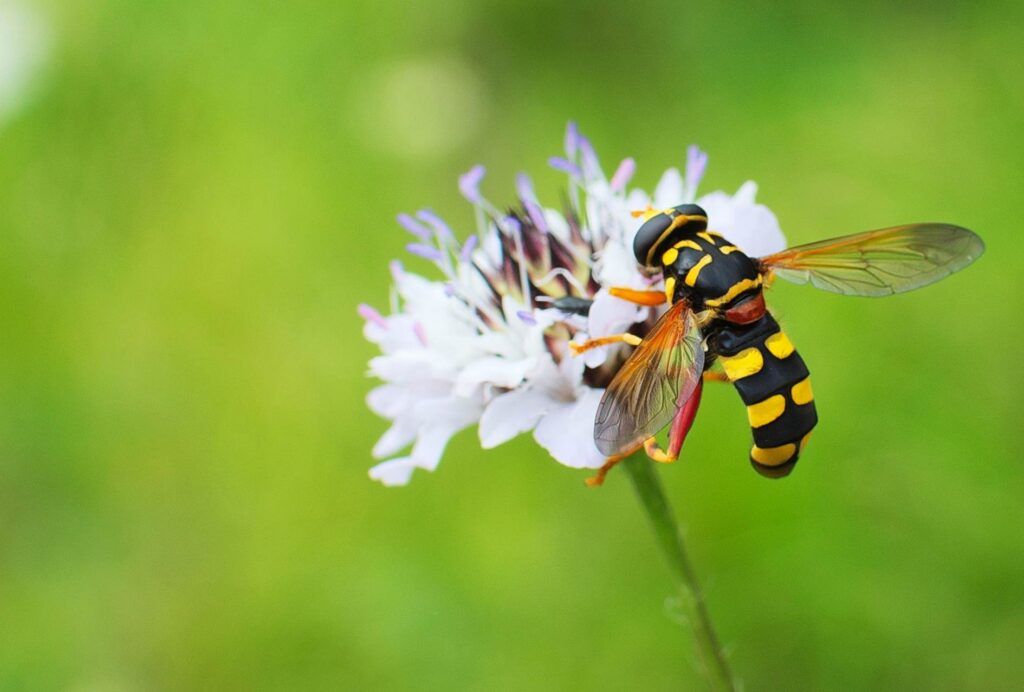
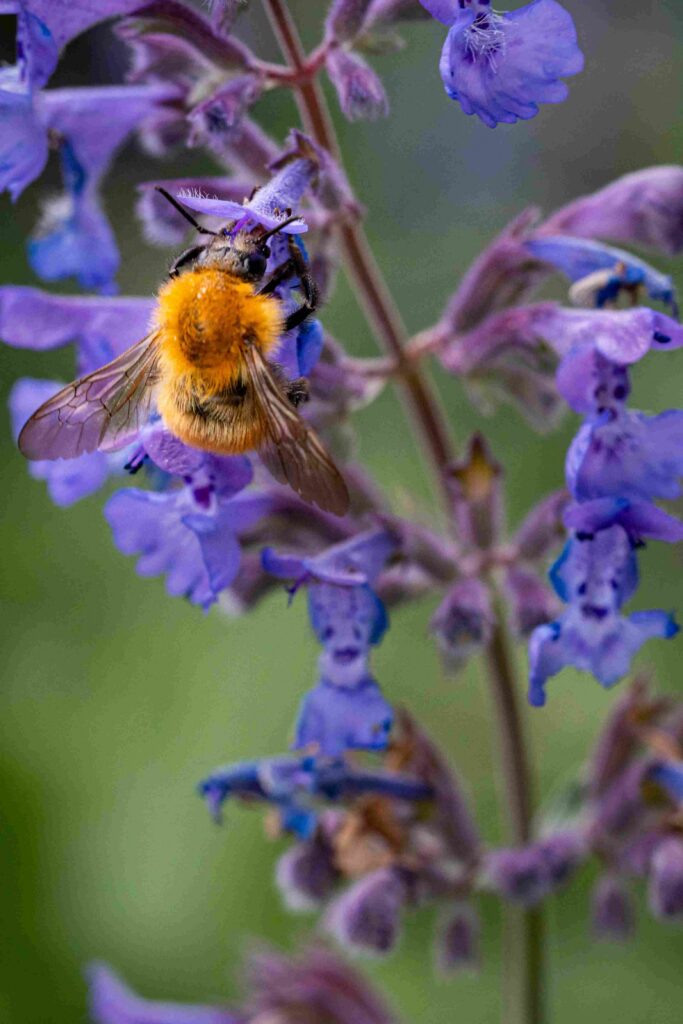
The method is that of the Butterfly Monitoring Scheme, extended to the three main groups of pollinators-butterflies, hoverflies and apoids-and applied along a nature corridor of about one kilometer in each facility. In this space, operators walk and record each pollinator insect that enters the observation space, identifying its species.
“In all of these structures, we considered latitude and the different climatic conditions that come with it, in order to be able to collect comparable data,” explains Karin Amsten, Research Coordinator at Nordens Ark, head of the monitoring group.
A decline that cannot be ignored
Data from the European Environment Agency photograph a clear crisis: 9 percent of wild bees are threatened with extinction, 40 percent of hoverfly species are in critical condition , and 14 percent of European butterfly species are of growing concern. The Zoo LIFE Pollinators project aims to respond to this decline with a rigorous and coordinated scientific approach on a continental scale.
Monitoring will continue until late September. The second operational phase will begin in the fall, with the seeding and planting of plant species to encourage the return of pollinators in different European settings. The consortium also has scientific partners such as the University of Turin, the University of Zagreb, Openature Foundation and Smart Revolution, plus four specialized associated partners, including Butterfly Conservation Europe and the Royal Zoological Society of Scotland.
Pollinator Ambassador Day is not just about science: at all the facilities involved, the May 20 day brought the public inside the research with talks, labs, workshops and citizen science activities. The goal is to bring everyone closer to the micro-world of wild pollinators, which is critical to the balance of ecosystems and global food security.