Large methane leaks-so-called“super-emitters“-are now emerging with clarity thanks to satellites. A new analysis by the Stop Methane Project at the University of California, Los Angeles (UCLA), based on data collected in 2025 from platforms such as Carbon Mapper, has identified the 25 worst episodes globally. The picture is stark: Turkmenistan dominates the ranking, followed by the United States, Venezuela and Iran.
Overall, more than 4,400 methane plumes with emissions exceeding 100 kilograms per hour were detected. A quantity that makes it clear how widespread and systemic the phenomenon is, far beyond individual incidents.
Numbers that make a difference (for the worse)
The scale of the problem is impressive. The largest recorded episode in the United States, in Texas, reached about 5.5 tons of methane per hour, with a climate impact comparable to that produced by about one million SUVs. The 25 worst “mega-leaks” identified each have an effect equivalent to the emissions from a coal-fired power plant. So these are not marginal anomalies, but real critical nodes in the global energy system.
Methane, after all, is responsible for about a quarter of current global warming. Unlike CO₂, methane stays less time in the atmosphere, but in the short term it is much more potent. This makes it a decisive lever: reducing it produces almost immediate climate benefits.
And this is where the paradox emerges. While the energy transition takes years and huge investments, a significant part of the methane problem could be addressed by relatively simple technical interventions: maintenance, continuous monitoring, replacement of obsolete components.
Industrial waste before environmental disaster
There is one aspect that makes it even more difficult to justify: leaked methane is saleable gas. Many leaks result from old infrastructure or inadequate controls. In several cases, intervening is not only possible but also cost-effective. Instead, the result is double waste: environmental and economic. We are not dealing with unavoidable events, but with structural inefficiencies that continue to be tolerated.
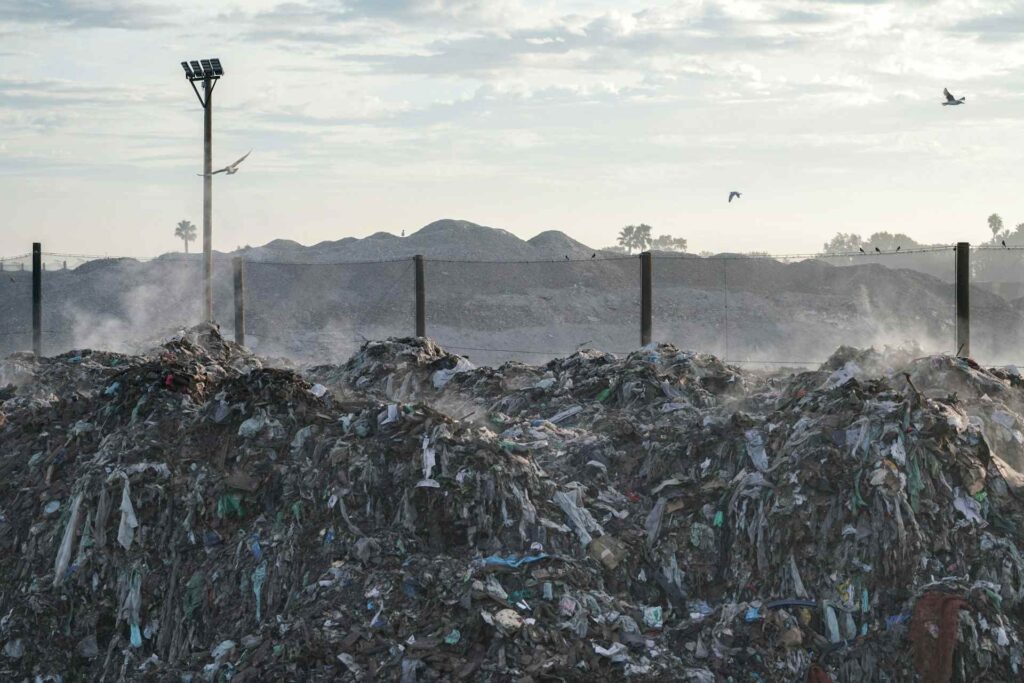
While the oil & gas sector remains the main culprit, landfills are also emerging as major sources of methane. Globally, they account for about 20 percent of emissions of the gas. The decomposition of organic waste generates methane in significant quantities, and when biogas is not captured, true emission hotspots are created. Again, solutions exist and are known: gas collection and utilization systems, more efficient waste management, and reduction of the organic fraction in landfills.
The real knot: we know, but take little action
The difference from the past is that today these emissions are no longer invisible. Satellites make it possible to locate leaks, attribute them to specific facilities and measure their impact accurately.Yet response remains slow. The problem is no longer a lack of data, but a lack of action.
If CO₂ represents the structural challenge of the transition, methane is the test case for rapid action. Reducing it is one of the most immediate levers to slow global warming. Continuing to delay makes no sense.