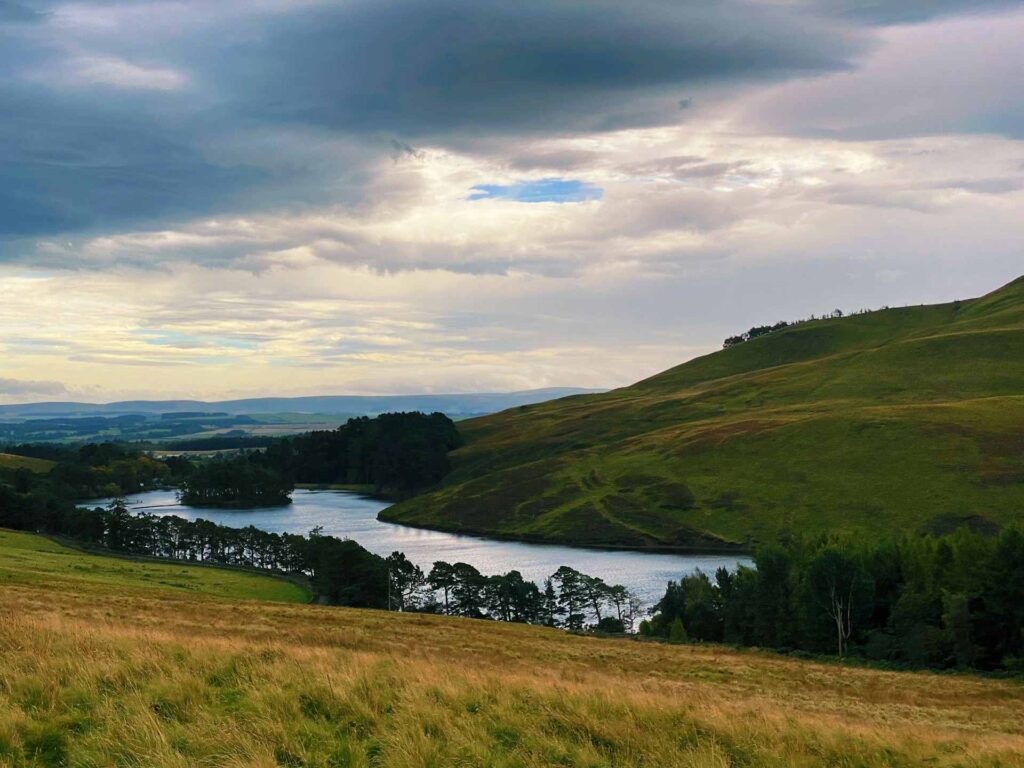
Maybe he is just delusional. Maybe it’s just an operation to seek cheap publicity. Certainly British entrepreneur Rich Stockdale-who describes himself as “proudly capitalist”-is following a very different path from that of the vast majority of the environmental movement. It is an interesting and thought-provoking story, though. CEO of Oxygen Conservation, Stockdale claims a project of“regenerative capitalism” that through the purchase of vast agricultural estates, the planting of trees, the restoration of peatlands and wetlands, the installation of wind and solar power plants, and the sale of “premium” carbon credits, promises to turn conservation into a profitable asset. And incidentally, in five years increase by five times — from 50,000 to 250,000 acres (about 100,000 hectares, or 1,000 square kilometers) — the company’s acreage ownership. Becoming the largest private land owner in Britain.
“Freeing and motivating more capital.”
Stockdale’s narrative is one of scalability and finance as a driver of the ecological transition: “releasing, activating and motivating more capital is the only way to bring conservation to the level needed for climate, wildlife and communities.” Oxygen aims to sell two million tons of carbon credits at prices well above today’s prices.
The idea is that certain private and institutional investors will be willing to pay more in exchange for actually measurable environmental and social benefits. And to identify the right lands to acquire and enhance, the company applies Lidar survey technologies, thermal imaging to census animals, and photogrammetry to build 3-D models of the land it owns. And even after that, the lands will be managed based on data to maximize impact and, together, returns.
In less than four years Oxygen has thus bought 13 estates from Scotland to the south of the island. The investor chapter recounts a diverse and influential cohort: key players include Mark Dixon, billionaire statistician and majority shareholder; ethical bank Triodos; and Tony Bloom, gambling entrepreneur and owner of the Brighton Premier League team. The financial structure may be sound, but the debt is substantial.
The accounts of the parent group, Oxygen House, show two maxi bank loans of £106 million maturing in 2033, while debts of £20.5 million are reported to be tied up on some properties earmarked to host 50 MW wind farms. As for wind projects, in Invergeldie near Loch Lomond National Park and Trossachs and between Blackburn and Hartsgarth on the England-Scotland border, local communities complain of scant attention to local concerns.
The value of the portfolio
Stockdale, for his part, insists on return numbers: he estimates that the portfolio is already worth more than £300 million and projects returns of up to 15 percent annually, based on prices for carbon credits that could rise to as much as £180 per ton, well above last year’s British average (37). In comfort he brings examples of “willingness to pay”: his law firm, Burges Salmon, reportedly bought credits at £125 per ton; Arup paid £100 to Nattergal, a company that owns rewilding estates in the east of England. Oxygen also sees margins on the Biodiversity Net Gain, with claims valued at £25,000 each, and does not rule out enhancing the properties by reselling them after five years while continuing to operate them as an operator. We shall see.