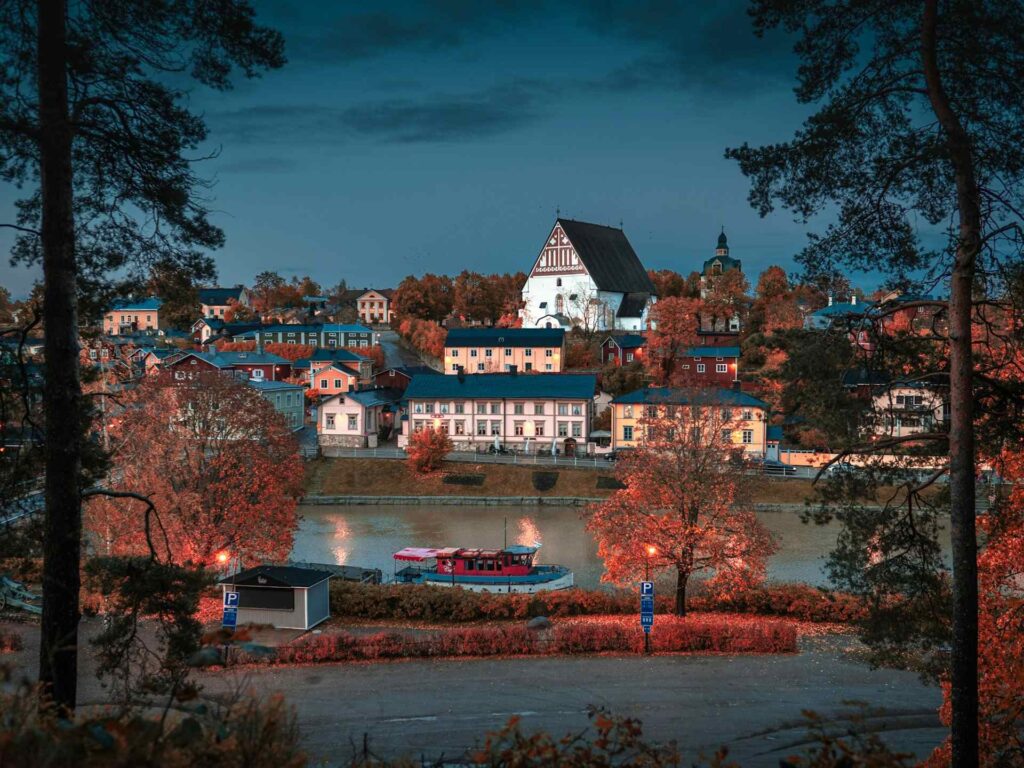
Nine years at the top is no accident. Finland remains the happiest country in the world, and it does so thanks to a balance that has been lost along the way elsewhere.
As the World Happiness Report 2026 recounts, quality of life is built on trust, solid relationships, reliable public services. And, increasingly, on a conscious distance from digital noise. Italy, stuck in 38th place but up two places from the previous edition, tells a different story: more fragmented, more uncertain, less cohesive.
Happiness and connection: a complicated relationship
Inside the report is a red thread that crosses continents and generations: time spent on social is not neutral. The data speak for themselves: among adolescents, exceeding seven hours a day is associated with much lower levels of well-being.
Scrolling through content, observing other people’s lives, chasing algorithms built to hold attention produces a definite effect: constant comparison, sense of inadequacy, stress. In contrast, communication- or creativity-oriented use shows a lighter impact.
One fact remains hard to ignore: many users state that, given a choice, they would prefer to live without social. They continue to use them because doing without them means staying out of relevant social groups.
Northern Europe
Finland, Iceland, Denmark have led the ranking for years. A compact bloc with common characteristics: high social trust, low inequality, strong connection to the natural environment.
Here technology does not occupy every available space. Daily life leaves room for silence, slowness, direct contact. It is about social organization: less pressure, more security, less fragile relationships.
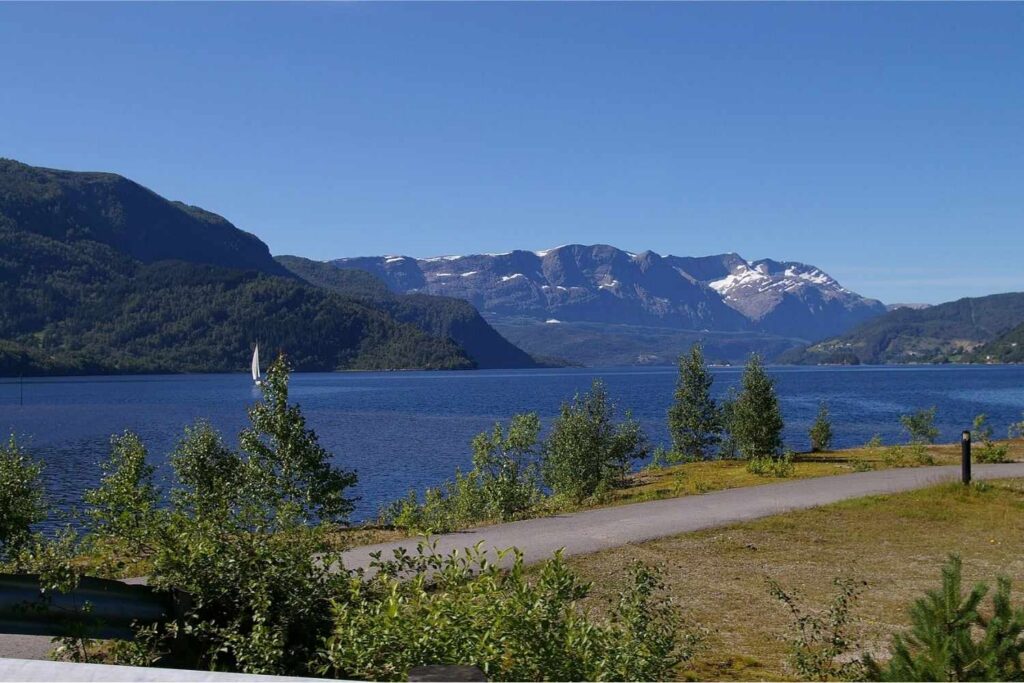
Nature matters, too, as the infrastructure of well-being. Forests, lakes, open spaces become part of the routine, not a weekend exception.
The case of Italy
The 38th place does not photograph an unhappy country, but an unequal one. Marked territorial differences, less stable social networks, fragile institutional trust. Elements that affect more than income per se.
Comparison with countries like Costa Rica-steadily on top despite lower resources-suggests a specific point: the quality of relationships weighs as much, if not more, than available wealth.
Young people increasingly lonely, even when connected
One of the clearest signs concerns the younger generation. In North America and much of Western Europe, young people report lower levels of happiness than they did 15 years ago. Over the same period, social use has exploded.
The two curves intersect, without coinciding perfectly. The report avoids shortcuts, but the link appears consistent: more time online, fewer deep relationships, less sense of belonging.
A public issue, not a private one
Happiness is increasingly entering the policy arena as a concrete indicator. The reference to Bhutan, which has been measuring “Gross National Happiness” for decades, becomes relevant again in a context where GDP alone is not sufficient to explain well-being.
From Finland does not come a formula that can be replicated en bloc, but a direction does. Reduce the weight of superficial connections, strengthen real ones. Reclaim unfragmented time, unmediated spaces.
The ranking
- Finland
- Iceland
- Denmark
- Costa Rica
- Sweden
- Norway
- Netherlands
- Israel
- Luxembourg
- Switzerland
- New Zealand
- Mexico
- Ireland
- Belgium
- Australia
- Kosovo
- Germany
- Slovenia
- Austria
- Czechia
- United Arab Emirates
- Saudi Arabia
- United States
- Poland
- Canada
- Taiwan
- Belize
- Lithuania
- United Kingdom
- Serbia
- Uruguay
- Brazil
- Kazakhstan
- Romania
- France
- Singapore
- El Salvador
- Italy
- Panama
- Kuwait
- Spain
- Guatemala
- Malta
- Argentina
- Vietnam
- Estonia
- Bosnia and Herzegovina
- Latvia
- Jamaica
- Chile
- Nicaragua
- Thailand
- Uzbekistan
- Slovakia
- Bahrain
- Philippines
- Paraguay
- Oman
- Ecuador
- Montenegro
- Japan
- Cyprus
- Honduras
- Dominican Republic
- China
- Kyrgyzstan
- South Korea
- Colombia
- Portugal
- Croatia
- Malaysia
- Peru
- Mauritius
- Hungary
- Mongolia
- Trinidad and Tobago
- Moldova
- Bolivia
- Russia
- Venezuela
- Libya
- North Macedonia
- Algeria
- Bulgaria
- Greece
- Albania
- Indonesia
- Tajikistan
- Armenia
- Hong Kong
- Georgia
- Laos
- Mozambique
- Turkey
- Iraq
- Gabon
- Iran
- Ivory Coast
- Nepal
- Cameroon
- South Africa
- Azerbaijan
- Niger
- Pakistan
- Tunisia
- Nigeria
- Senegal
- Namibia
- Palestine
- Kenya
- Ukraine
- Morocco
- Guinea
- Mali
- Ghana
- India
- Somalia
- Uganda
- Jordan
- Mauritania
- Cambodia
- Congo
- Burkina Faso
- Benin
- Chad
- Lesotho
- Bangladesh
- Gambia
- Myanmar
- Liberia
- Togo
- Madagascar
- Zambia
- Sri Lanka
- Ethiopia
- Comoros
- Eswatini
- Tanzania
- Egypt
- DR Congo
- Lebanon
- Yemen
- Botswana
- Zimbabwe
- Malawi
- Sierra Leone
- Afghanistan