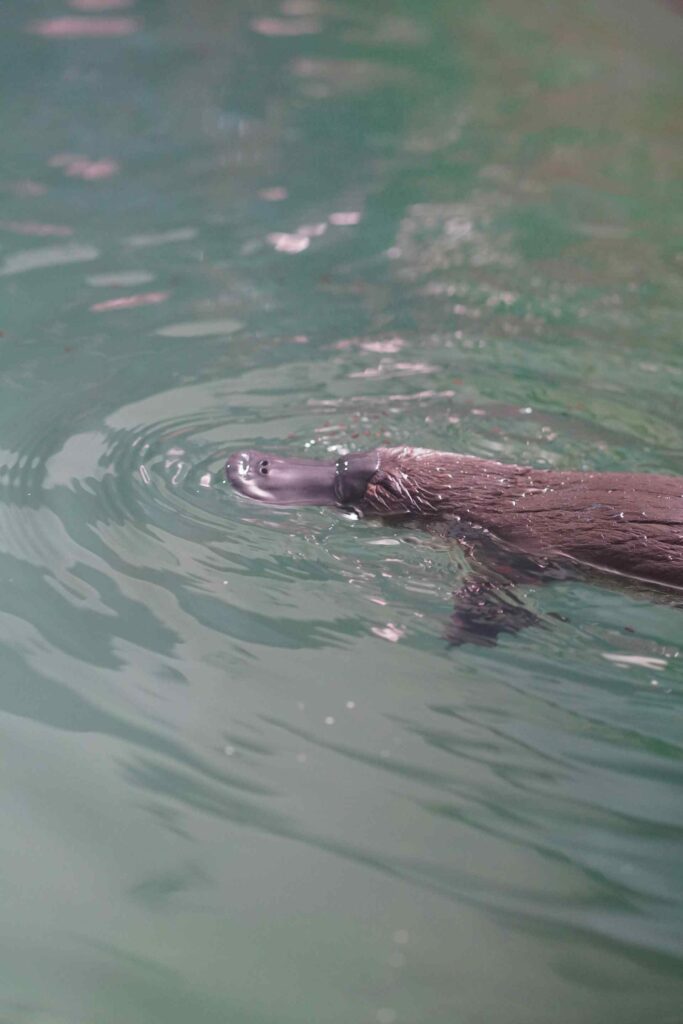
One animal continues to crack established certainties in biology. Theplatypus, already known for a mosaic of features that defies classification, now adds an unexpected element: a type of cell structure heretofore thought to be exclusive to birds. Research conducted by Ghent University and published in Biology Letters documents for the first time in mammals the presence of hollow, spherical melanosomes in platypus hairs . These are tiny organelles that contain melanin, the pigment responsible for the coloration of skin, hair and feathers.
The platypus is after all one of the most extreme cases of “biological anomaly” among vertebrates. It is a mammal that lays eggs but at the same time suckles its young without true nipples; it has a snout that functions as an electrical sensor capable of detecting prey underwater, and males also have an active venom, an absolute rarity among mammals. Added to this is an unusually “mixed” genome, retaining evolutionary traces shared with reptiles and birds, and a body perfectly adapted to semi-aquatic life.
Inside color
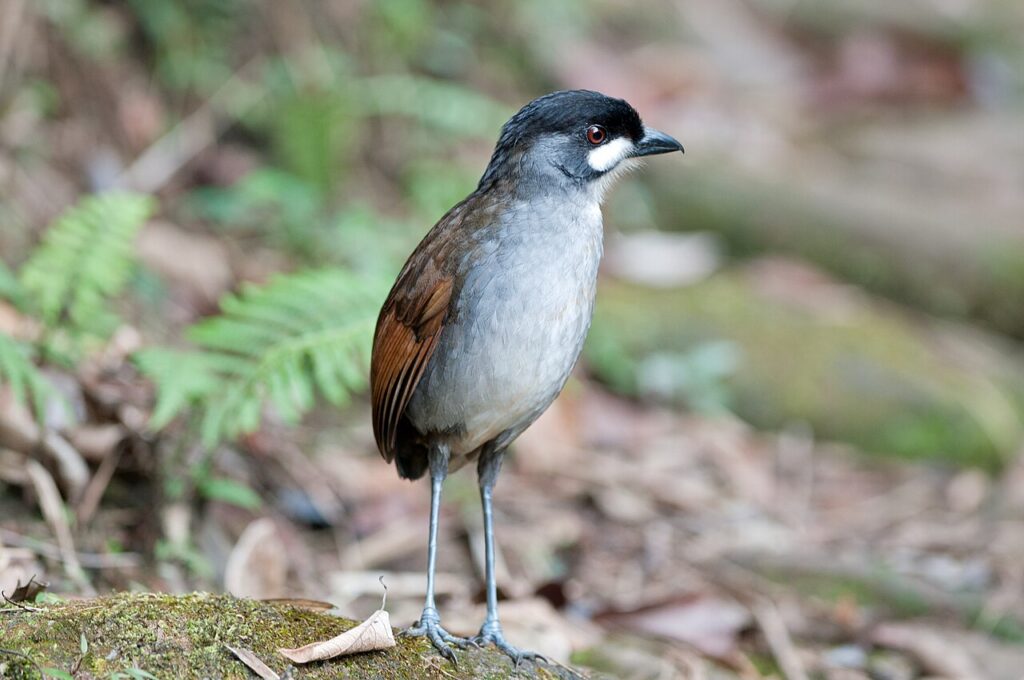
In vertebrates, melanosomes are anything but marginal details. Their shape and organization directly influence visible color: in mammals they are generally compact, while in birds they can also be hollow and organized into structures capable of producing iridescence.
For more than half a century, the scientific community has considered the cavity of melanosomes a prerogative of birds. The platypus breaks this distinction: electron microscopic analysis has revealed a unique combination-internal cavity and spherical shape-never before observed in any vertebrate.
The figure is surprising for a second reason. Despite this sophisticated architecture, the coat of the platypus remains uniformly brown. In birds, similar structures amplify iridescent reflections and colors; here, however, they produce no obvious visual effects.
An evolutionary conundrum
The study examined 126 mammalian species without finding similar structures. Not even echidnas, close relatives of the platypus, show hollow melanosomes. This phylogenetic isolation suggests a peculiar evolutionary pathway. One hypothesis concerns adaptation to the aquatic environment. Hollow melanosomes might have a non-optical but physical function, such as contributing to thermal insulation. Air trapped within the cavities, similar to what happens in other biological tissues, could reduce heat loss.
The idea is consistent with the evolutionary history of monotremes, the oldest mammals: ancestors probably linked to aquatic ecosystems, with subsequent divergence between species that remained in water and others that adapted to terrestrial life.
More questions than answers
However, a central question remains: why has this biological solution not spread to other aquatic mammals? And why does such a complex structure not result in a visual advantage, as it does in birds?
The answer may lie in the very function of melanosomes, which is not limited to coloration. Melanin also intervenes in UV protection, tissue mechanical strength, and thermoregulation. In this framework, the platypus might represent a useful borderline case to separate these roles and understand their relative weight.
More than two centuries after its description, the platypus continues to function as a living evolutionary laboratory. The discovery of hollow melanosomes opens up avenues of research into pigment genetics, cellular mechanisms and evolutionary trajectories in vertebrates.