Europe is once again faced with a global energy crisis. But unlike the one triggered by the Russian invasion of Ukraine in 2022, the response is more selective: less extraordinary intervention in markets and more targeted action on taxation, coordination and transition. In the background, the war in Iran has reopened a structural wound: dependence on imported fossil fuels.
Rising prices and structural vulnerability
The conflict that erupted in late February in the Middle East has hit a crucial junction in the global energy system. The closure of the Strait of Hormuz, through which about 20 percent of the world’s oil transits, triggered one of the most serious supply disruptions in decades. In Europe, the effects were immediate: gas prices rose rapidly, at times reaching growths of more than 60 percent over pre-crisis levels . An increase that is directly reflected in industrial bills and costs. The European Union remains highly exposed to global dynamics because it imports much of the energy it consumes. And any geopolitical shocks result in higher prices and greater instability.
Brussels’ response
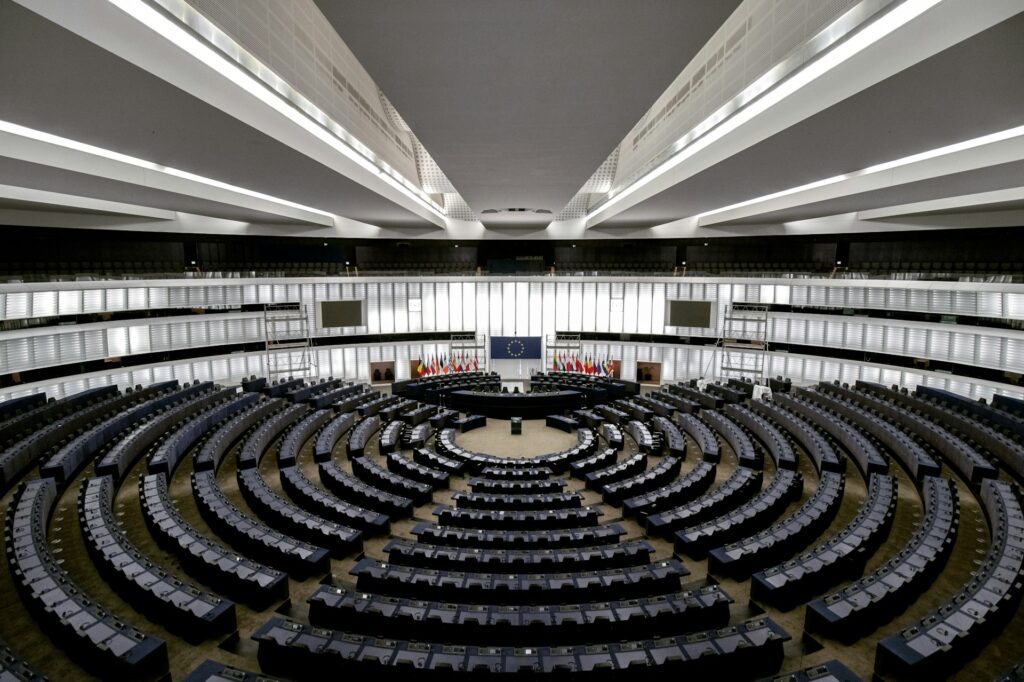
Faced with this new pressure, the Commission has put forward a package to reduce electricity taxes and coordinate the filling of gas storage to avoid price spikes during the summer.
The idea is to prevent member states from moving in random order, fueling competition and volatility. An approach already tried after the Russian invasion of Ukraine, but now more structured. Among the measures under consideration is the possibility for governments to temporarily zero taxes on electricity for vulnerable households and energy-intensive businesses. At the same time, Brussels is working to ensure that electricity is fiscally cheaper than gas, thus incentivizing a shift to less polluting technologies.
A different crisis since 2022
Despite soaring prices, the current situation has not yet reached the critical levels of 2022. Supplies, at least for now, remain stable thanks to supply diversification, particularly from the United States and Norway. There is another key element: the growth of renewables. In 2025, 71 percent of Europe’s electricity was generated from renewable and nuclear sources, a significant jump from 60 percent a few years earlier. This has helped contain the impact of the crisis by reducing dependence on gas in electricity generation. But it is not enough to completely neutralize the effects of a global shock.
The cost of fossil fuel dependence
The numbers tell of a structural problem. In the first months of the crisis, the Union spent tens of billions more on energy imports without getting more resources. A repeating dynamic: higher prices, wealth transfer to exporting countries and pressure on public budgets. According to analysts and institutions, this could become the new normal in a global context marked by recurring geopolitical tensions.
Accelerating the transition
It is on this point that the Commission insists: the response cannot be only emergency. The “AccelerateEU” plan aims to rapidly increase electrification, strengthen grids, and invest heavily in renewables. The goal is twofold: to reduce costs in the long run and to shelter Europe from external shocks. The energy transition thus becomes a security issue, as well as an environmental one.Energy Commissioner Dan Jorgensen summed it up: even in the best-case scenario, with a quick end to the conflict, prices will remain high for years. Therefore, he said, it is necessary “to get rid of gas dependence as soon as possible.”
A game still open
The European strategy is moving on a dual track: immediate measures to contain the social and economic impact and structural reforms to change the energy system. But the path remains complex. Fiscal decisions require unanimity among member states, while the investments needed-hundreds of billions a year-impose a coordinated public-private effort. Meanwhile, the crisis in Iran has already made one point clear: as long as Europe remains tied to imported fossil fuels, it will continue to pay the price of global crises.