In UN-Habitat ‘s new World Cities Report 2026, the global housing crisis becomes the result of a specific choice: in recent decades housing has been transformed into a financial asset, progressively disconnected from its social function.
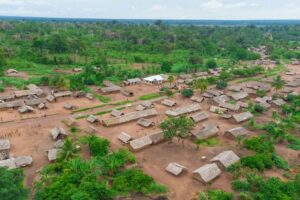
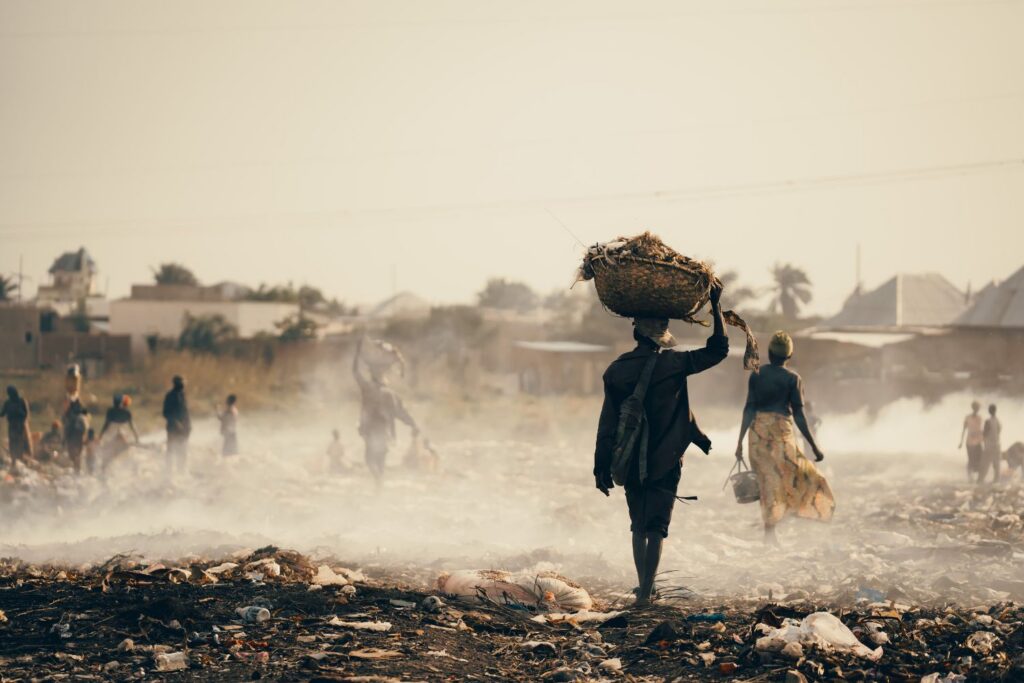
Numbers compiled by the United Nations explain the scale of the phenomenon: up to 3.4 billion people worldwide lack access to adequate housing, while more than 1.1 billion live without running water, sewerage or a safe roof. Growing is the hardship in the suburbs of the global South, but also the economic pressure in Western cities, where rents and real estate prices have now exceeded the spending capacity of large segments of the population.
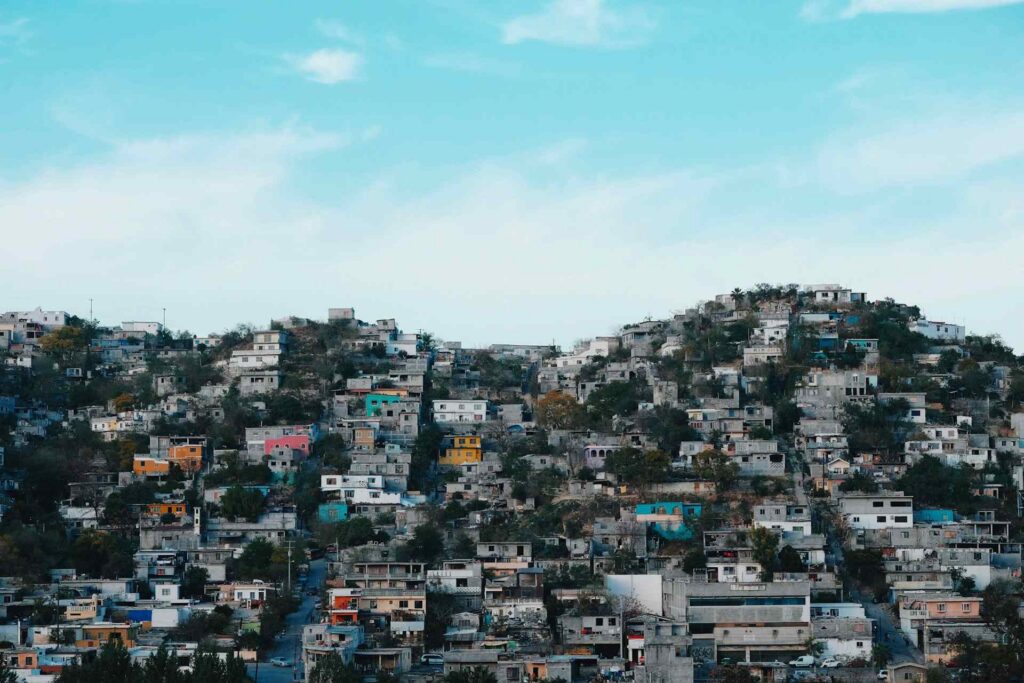
In the report, presented at the World Urban Forum in Baku, the UN lines up five factors that are exacerbating the crisis: diminishing affordability; increasing displacement; expansion of urban informality (i.e., the growth of neighborhoods that have sprung up without permits, without basic services and outside of any master plan); climate impacts; and worsening quality of life in urban neighborhoods.
One of the most interesting passages in the paper concerns the role of governments. After decades of policies based almost exclusively on the housing market and private property, UN-Habitat openly argues that market-led models-that is, based on the idea that the market, left free to function, would find the balance on its own-have not solved the crisis, rather they have widened inequality.
The indication is clear: the state must return to intervention in planning, rents, social housing and regulation of real estate speculation. The report cites three examples considered effective for different but converging reasons: rent control in Germany, which has contained speculative rents in large cities; Brazil’s favelas redevelopment programs, which have improved housing conditions without displacing communities; and cooperative housing experiences in Thailand and Cambodia, built from the bottom up with public support. The common thread is one: direct intervention, not delegated to the market.
Cities expel low income earners
Another structural fact also emerges in the report: the cost of housing is rising everywhere, and nearly 44 percent of renter households exceed a critical threshold: 30 percent of income allocated to housing, a limit beyond which economists speak of unaffordability.
The effect can be seen especially in large cities: workers expelled to increasingly distant suburbs, young people postponing housing autonomy, an increase in evictions, and the growth of invisible forms of precariousness, from overcrowded micro-rentals to temporary accommodation. It is a snapshot of a market that fails not by accident, but because it responds to a logic other than housing need.
Climate and housing: a unique emergency
In the document, the climate issue does not appear as a separate chapter, but as an element now intertwined with the housing issue. Buildings are responsible for 37 percent of global greenhouse gas emissions and, at the same time, millions of homes are exposed to extreme weather events. In 2024 alone, nearly 46 million people were displaced by extreme weather events.
According to projections prepared for the report, the climate crisis could destroy 167 million homes worldwide by 2040. It’s an estimate that incorporates scenarios of rising sea levels, heat waves, and increasingly frequent flooding, making the question of where and how people will build in the next two decades all the more urgent.
That is why UN-Habitat insists on a principle that returns several times in the report’s more than 300 pages: redeveloping existing neighborhoods is almost always preferable, in economic and social terms, to demolition and reconstruction. The Brazilian favelas already mentioned are an example: intervening on infrastructure, sewers, roads, electricity while keeping communities in place has shown better results, and lower costs, than tabula rasa followed by new construction.
A change of course
Perhaps the most significant aspect of the report is linguistic before it is political. For the first time in years, the UN lexicon drops the phrase “smart city” and returns to talk about social housing, public control and the right to housing. These words signal to us that the housing crisis is no longer seen as a marginal issue of urban welfare, but one of the great economic and social rifts with which cities must contend.