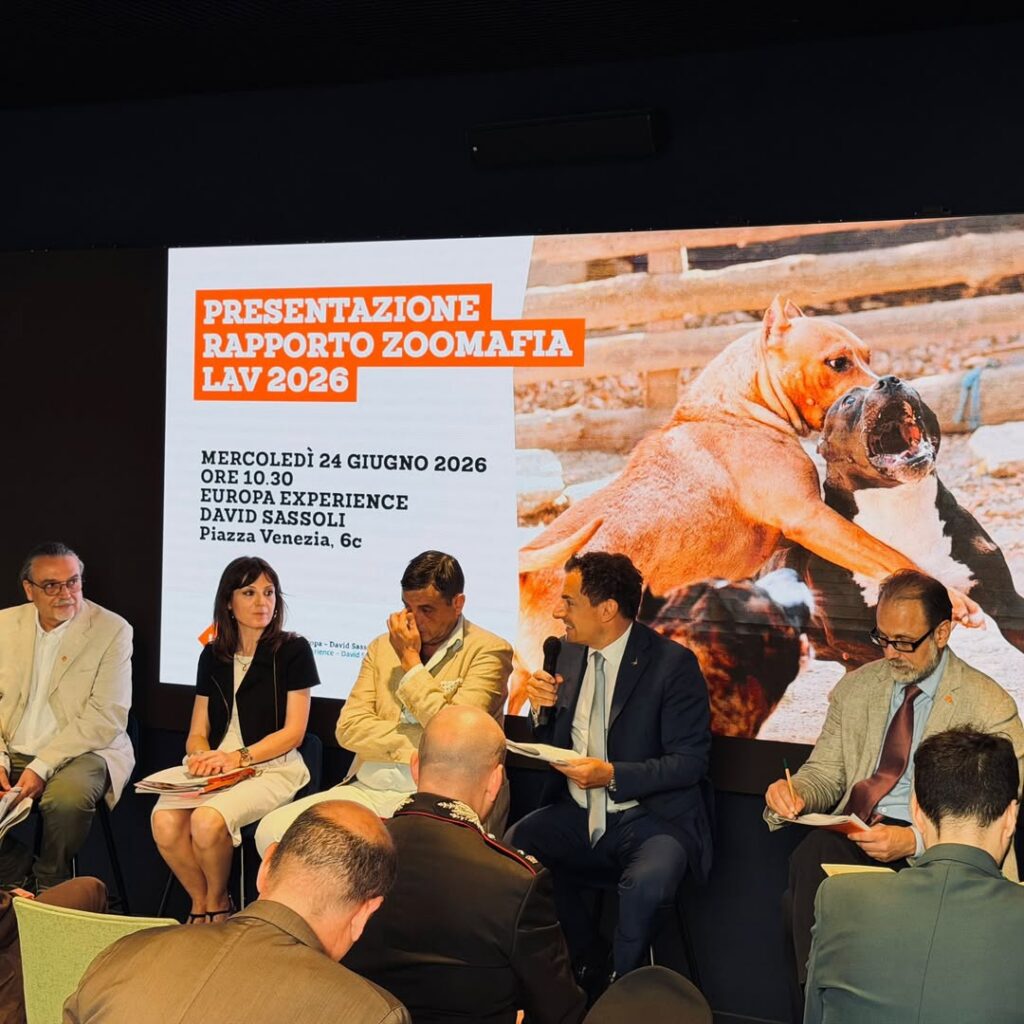
The data, compiled from information provided by 130 public prosecutor’s offices—both general and juvenile—paint a picture that must be interpreted with care, without succumbing to facile optimism. Nationwide, there is a rate of 13.20 proceedings and 9.07 suspects per 100,000 inhabitants. Compared to the previous year, the number of proceedings decreased by 4.62%, while the number of suspects rose by 8.55%. These two seemingly contradictory figures, however, reveal something specific: fewer reports do not mean fewer crimes.
Ciro Troiano, head of theLAV Zoomafia Observatory, makes this point very clear: it would be wrong to interpret the drop in reports as an automatic reduction in cases of abuse. The observed decline does not correspond to an actual decrease in crimes, but rather indicates that fewer incidents are being investigated and reported.
The most common charge remains animal cruelty, as defined in Article 544ter of the Penal Code, which accounts for 38.34% of all proceedings. Compared to 2024, there has been a 9.58% increase—a figure that alone would be enough to put any reassuring narrative into perspective.
Animal Fighting: Common and Organized Crime
Animal fighting continues to involve both individuals linked to common crime and, in some cases, members of organized crime. Among those involved are illegal breeders, traffickers of fighting dogs, and enthusiasts of so-called fighting breeds.
From 1998 to 2025, approximately 1,373 dogs and 120 fighting cocks were seized; 570 people were charged, and 17 were arrested. The related crimes range from drug trafficking to criminal conspiracy, from electricity theft to the receipt of stolen animals.
Illegal Street Racing: The Mafia’s Control Over the Territory
Illegal horse racing is a whole other story. It is not just an illicit betting operation, but a genuine form of Mafia control over the territory: public roads are occupied and blocked off, and personnel and vehicles are systematically mobilized. In 2025, there were 21 law enforcement interventions, 6 illegal races reported, 29 people charged, and 51 horses and 2 ponies seized. From 1998 to the present, 4,353 people have been charged with this type of offense, with 1,481 horses seized and 171 races shut down.
Puppy trafficking: a lucrative and ruthless industry
The illegal trade in dogs and cats continues to be an extremely lucrative business. The animals are bred in conditions that are incompatible with their well-being and transported thousands of kilometers, often without any health safeguards, posing risks to public health as well. In 2025, at least 120 illegally imported dogs were seized, and 14 people were charged, 7 of whom were arrested.
From 2010—the year the law against puppy trafficking went into effect—to 2025, a total of 7,681 dogs and 93 cats were seized, with a total value of approximately 6 million 144 thousand euros, and 471 people were charged. The nationalities of those under investigation confirm the international scope of the phenomenon.
Wildlife: International Trafficking Continues
The international wildlife trade shows no signs of slowing down. Among the animals seized in recent years are turtles, parrots, pythons, bearded dragons, and even a chimpanzee, in addition to numerous products derived from protected species (ivory, elephant tusks, hides, and stuffed animals). Added to these are incidents of poaching, the killing of protected species, the use of prohibited acoustic decoys, and the use of illegal or modified weapons.
The Issue of Minors: A Sign That Cannot Be Ignored
A theme that runs throughout the report is the involvement of minors. There is a rise in cases committed by multiple perpetrators acting in concert, as well as an increase in those publicized through social media, with the involvement of very young people raising questions not only for institutions but for civil society as a whole. These are not isolated incidents: the report interprets them as signs that call for educational, cultural, and preventive measures capable of promoting respect for animals and combating all forms of violence.