Under the plan backed by the World Bank and the African Development Bank to bring electricity to 300 million Africans by 2030, solar mini-grids are expected to serve approximately 116 million people through local, modular, and increasingly affordable systems. Executives from 22 companies in the sector estimate that 46 billion will be needed: 28 in debt, 14 in equity, and 4.6 in grants. This is a substantial figure, but it is in line with the ambition of Mission 300, the program that has garnered the formal support of 29 countries and requires scale, coordination, and speed in public decision-making and the deployment of capital.
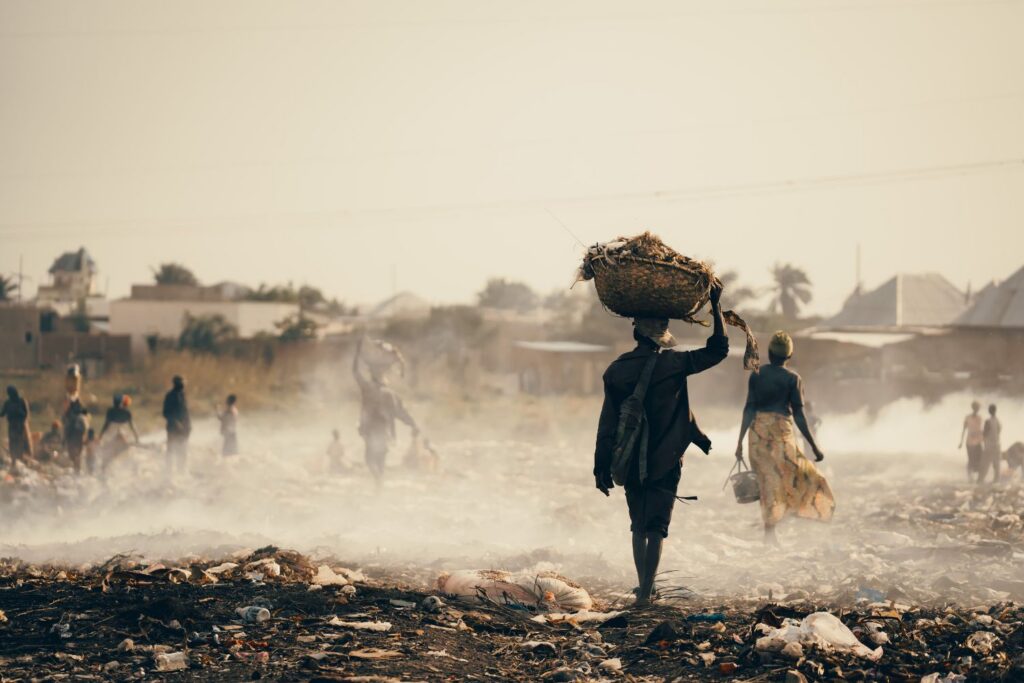
The problem is well known. In developing countries, the power grid is still limited and does not reach all remote areas. But demand for electricity is growing rapidly even in the poorest of the poor countries. People want to be able to use electrical appliances not only for entertainment, but also to communicate and work; however, they lack a stable power supply because the grid has not reached their area or is very unreliable.
The drop in prices
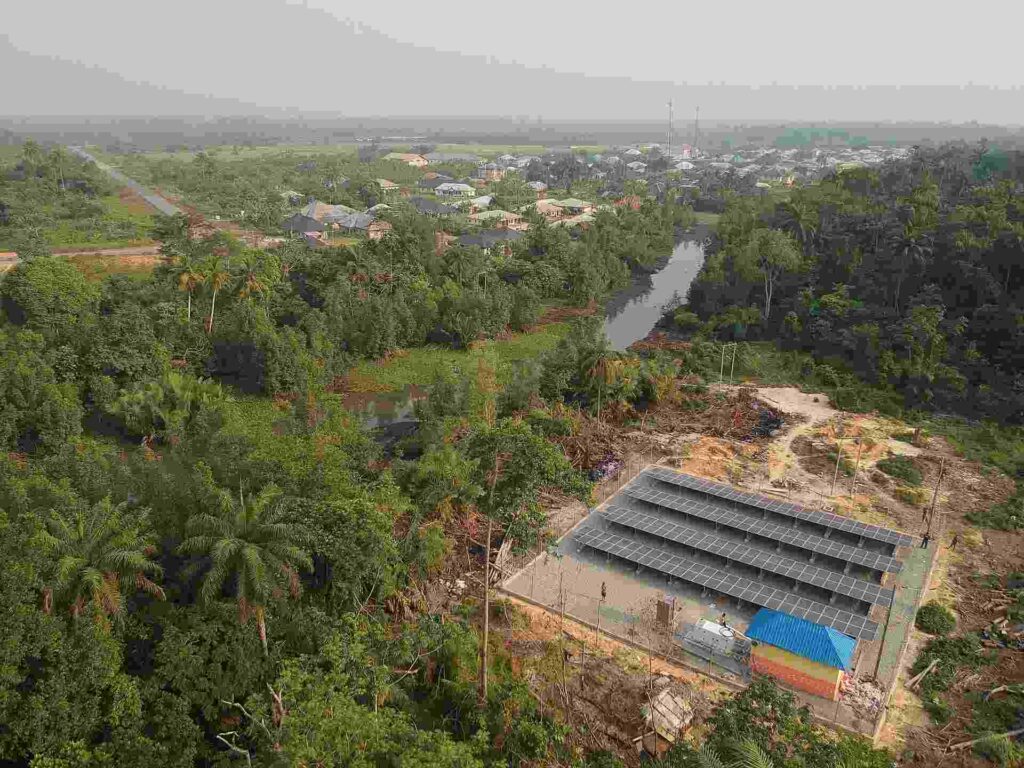
How can this be done? One possible solution for the many communities that lack access to national grids or receive an irregular power supply is the use of mini-grids, or microgrids. These systems typically serve 50 to 100 households and are equipped with power generation capacity—currently, this usually consists of solar panels paired with battery banks. Sometimes there’s also a backup diesel generator. This isn’t new: these technologies have been around for decades, but the difference is that they’ve become more affordable today thanks to falling prices for solar panels and storage batteries.
The time for mini-grids may finally have arrived. Their rapid spread is also being driven by more favorable regulations from African governments. Certainly, progress is not fast enough: in 2024, 600 mini-grids were built in Africa, and at the current pace, there would be 12,000 systems by 2030, serving approximately 46 million people.
The funding machine is in motion
However, the financing process is moving forward. In Nigeria, a target of 500 million has been set for a distributed renewable energy fund dedicated to residential systems and mini-grids; in the Democratic Republic of the Congo, Mwinda—a fund of up to 500 million managed by GreenMax—is launching and will begin disbursing its first loans and offering guarantees to unlock local bank credit. At the same time, the AfDB and the World Bank have launched Zafiri, a 1 billion equity platform designed to accelerate access to energy.
The technological leap has already transformed villages and small towns. In Chitandika, Zambia, the arrival of a mini-grid has brought electricity to schools and shops, boosted artisanal activities, and made the cold chain possible. In Nyimba Mwana and other rural communities, lighting has extended the economic day, while barbershops, repair shops, and computer labs operate without generators.
The Most-Watched Lab
Nigeria is the most closely watched test case. With an available grid capacity of about 4,000 megawatts for over 230 million people and a vast fleet of small diesel generators estimated at tens of gigawatts, the potential for solar power is enormous. Husk Power Systems, the world’s largest mini-grid operator, is accelerating its growth: it has raised a record 400 million in a combination of equity and debt to expand in Nigeria and India, with an eye toward the DRC and Madagascar, aiming for 2 gigawatts of installed capacity and revenues exceeding 150 million by 2030, powered by a digital platform that optimizes production and demand.
For the model to work on a large scale, however, two conditions are necessary. The first is regulatory predictability. The experience in Tanzania, where forced tariff alignment cut into operators’ revenues, serves as a cautionary tale. The second is the social sustainability of the rates. Industry organizations and companies emphasize that nearly half of potential users will need subsidies, customs exemptions, credit guarantees, and capital grants to be able to connect to the network and pay their bills.