When a region is forced to request water from neighboring areas, it means the problem has now crossed the alarm threshold. This is what is happening in Piedmont, where low rainfall and exceptionally high temperatures have led the region to begin discussions with Valle d’Aosta and the Canton of Ticino to increase water supplies, primarily for agriculture. Meanwhile, over one hundred municipalities have already issued ordinances to limit the use of drinking water, and in some mountain communities, water tankers have been deployed.
The president of the Piedmont Region, Alberto Cirio, explained that “we can’t wait even a minute” and that the heat and lack of rain are causing “an emergency that must be addressed with care, especially with regard to agriculture.”
The Po River Reflects the Climate Crisis
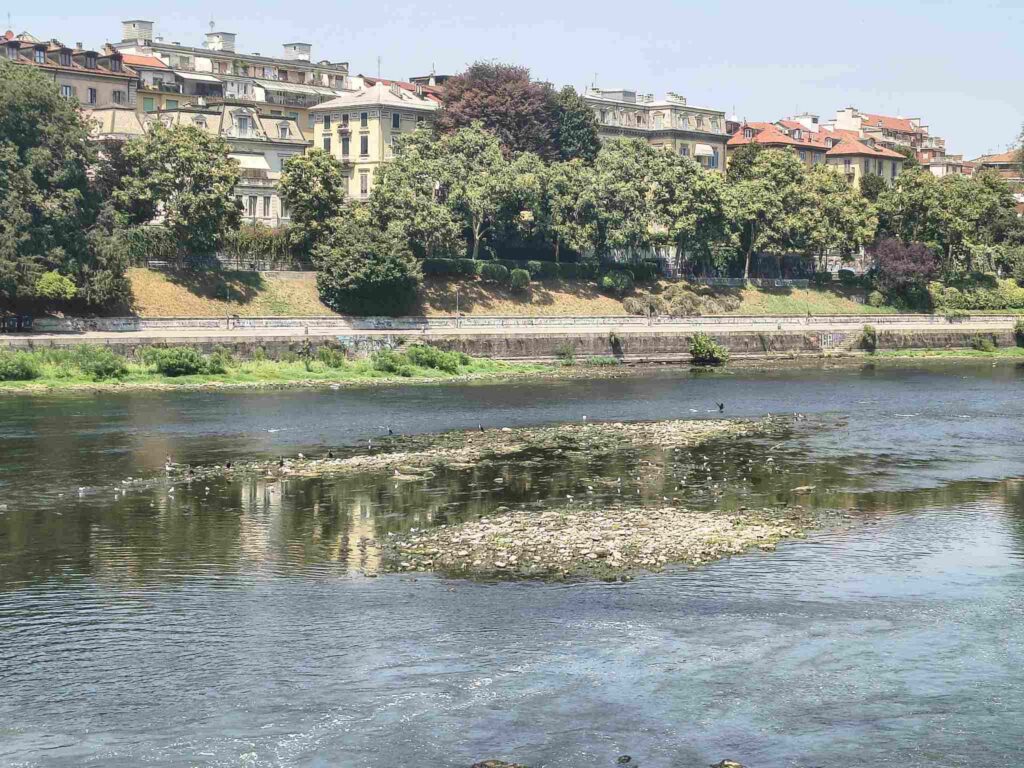
The most striking image of the summer of 2026 remains that of the Po River. Italy’s largest river has an average flow rate that is 65% lower than seasonal averages, with peaks reaching as low as 80%. Even more striking is the comparison of water volume: just 209 cubic meters per second, compared to a historical average of 731.
The reduced flow has already caused operational difficulties at the Isola Serafini hydroelectric plant as well, which was forced to suspend production several times in recent days due to the river’s low water level. Meanwhile, the saltwater intrusion in the Po Delta is increasing, a phenomenon that disrupts the balance of ecosystems and puts pressure on crops.
Agriculture Pays the Highest Price
Agricultural businesses in central and northern Italy are suffering the most. Andrea Tiso, national president of Confeuro, notes that “we are no longer facing a temporary emergency, but a structural problem that requires equally structural and long-term solutions.”
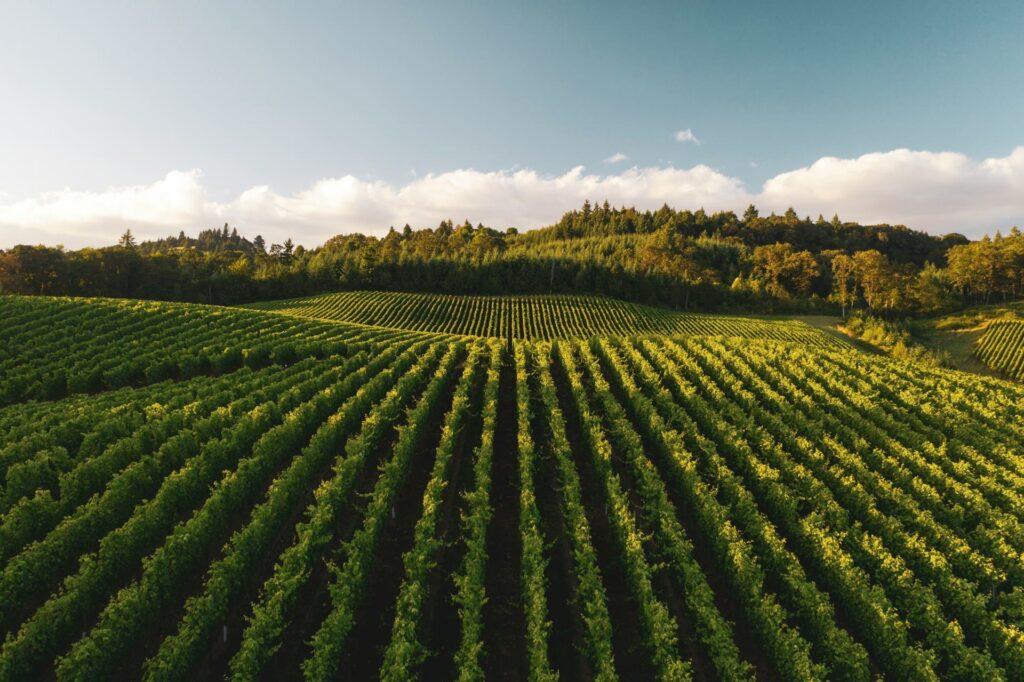
Agricultural organizations are painting an increasingly complex picture. Confagricoltura warns of the risk of declining rice and corn yields, which could eventually lead to the abandonment of these crops if new water sources are not found. Coldiretti, on the other hand, describes a scenario affecting corn, soybeans, vegetables, fruit, vineyards, olive groves, and forage crops, while in dairy barns, the heat is reducing milk production by up to 20%. It is not just a matter of harvests: farm profitability is declining while irrigation and energy costs are rising.
The Lesson from Southern Italy
The traditional pattern of the water crisis has been turned on its head. While the Po River basin is experiencing one of the most difficult summers in recent years, several regions in the south are facing the season with significantly better water availability.
According to analyses cited by ISPRA and ANBI, in regions such as Puglia, Basilicata, and Molise, heavy spring rains, combined with investments made in reservoirs, have made it possible to accumulate sufficient reserves for domestic, agricultural, and environmental uses.
This is perhaps the most important insight emerging from the summer of 2026. Drought will continue to be a feature of the new climate normal. The difference will be determined less and less by precipitation and increasingly by the ability to plan, store, distribute, and use efficiently a resource that is destined to become the main indicator of a region’s resilience. Water, now more than ever, is not merely a measure of a resource’s natural availability: it is a measure of the quality of public policy decisions.