In the summer of 2022, the Po River recorded some of the lowest flow rates in the last seventy years. At the same time, fourteen provinces in northern Italy declared states of water crisis, municipalities in the Po Valley rationed drinking water, and farmers suffered significant losses in their corn and rice crops. Three types of crises, three necessary levels of response, three press releases that used the same word: “drought.”ISPRA classifies droughts into four distinct categories, each with different causes, development timelines, and response measures. Public discourse uses only one.
Meteorological drought is a prolonged deficit in precipitation relative to a region’s historical average: it is the root cause of other types of drought and is measured using the SPI (Standardized Precipitation Index), adoptedby the JRC’s European Drought Observatory and the World Meteorological Organization. Hydrological drought develops when the meteorological deficit accumulates over time, reducing streamflow, reservoir levels, and groundwater reserves: it takes several weeks or months to manifest and can persist even after rainfall returns. Agricultural drought concerns the moisture available in the soil at root depth: it can occur without meteorological drought, if irrigation demand exceeds local water availability, or without hydrological drought, if distribution infrastructure is not functioning. ISPRA adds a fourth category, socioeconomic drought, which describes the imbalance between water demand and availability at the system level.
The distinction is not taxonomic; it is operational. Meteorological drought requires seasonal forecasts and land-use planning. Hydrological drought requires management of reservoirs, water withdrawals, and guaranteed minimum flows. Agricultural drought requires the modernization of irrigation systems, crop variety selection, and crop insurance. A declaration of a “state of drought” without specifying which type allows each institution to interpret it as it sees fit. Municipalities impose restrictions on domestic water use when agricultural consumption in the Po River basin accounts for more than 70% of local water withdrawals, according to ISTAT-ISPRA data.
An analogy helps. “Fever” can indicate a bacterial infection, a viral infection, or an inflammatory reaction. The temperature is the same in all three cases. The treatment is not: antibiotics, antivirals, or anti-inflammatories. A doctor who prescribes the same treatment for any fever above 38°C is effective for a subset of cases. For the others, he or she prescribes the wrong treatment. A drought emergency declaration without such a diagnosis works in the same way.
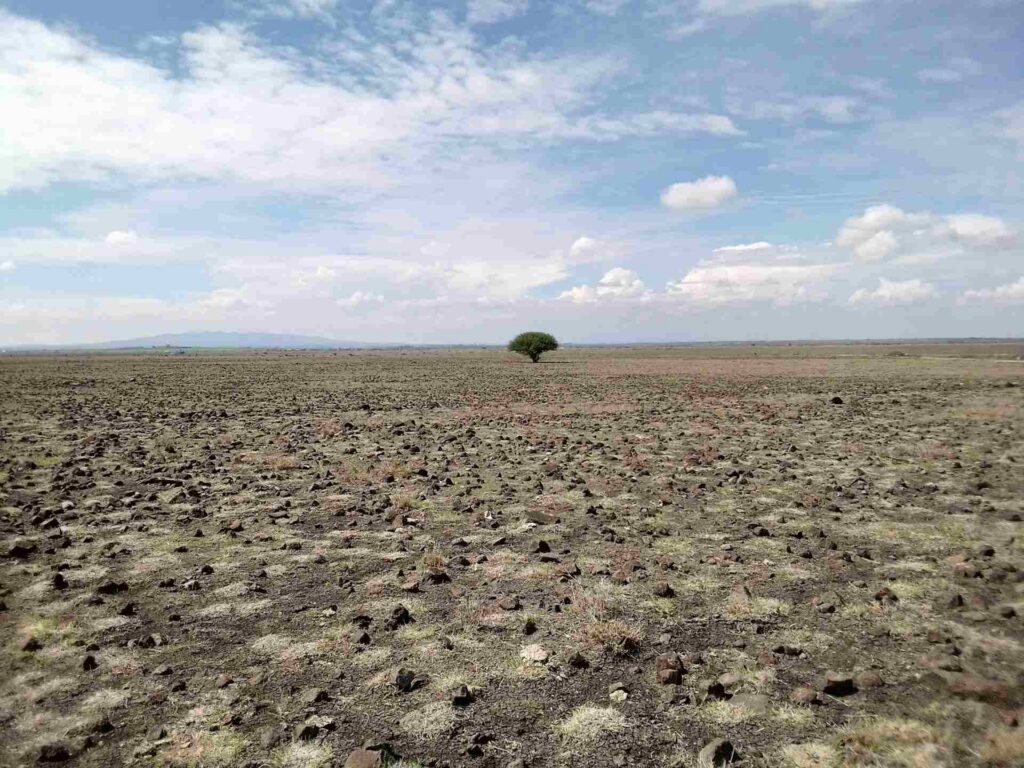
In 2022, Italy experienced all three categories in succession: the lack of winter and spring precipitation (meteorological) led to a reduction in the Po River’s flow to historically low levels (hydrological), which in turn reduced the availability of water for irrigation in the Po Valley, causing significant losses in the production of corn, rice, and soybean production (agricultural). The European Commission activated an emergency clause for rural development measures. However, the immediate response measures focused on managing acute symptoms without distinguishing the structural components, which require interventions on a different scale and over a longer timeframe.
The European Union addresses drought primarily through the Water Framework Directive (2000/60/EC) and the Water Scarcity and Drought Expert Group. The JRC publishes the European Drought Observatory, which includes separate indicators for each category. In Italy, the National Climate Change Adaptation Plan (PNACC 2023) includes specific actions for each type. The regulatory framework has already incorporated these distinctions. The press release issued every summer, however, has not.
It must be acknowledged that in acute crises, all three categories occur simultaneously, and the technical distinction made in every public communication introduces a level of complexity that can slow down the perception of urgency. The response to the 2022 Po River drought could not have waited for meteorologists to classify the type of drought. The point is not to replace “drought” with three technical terms in every newspaper headline, but that the response measures, infrastructure investments, and funding allocations that follow each statement depend on the type of crisis being addressed. Funding wells when the problem is reduced river flow does not help solve the problem.
This column explores climate terms whose technical meanings differ from their common perceptions. “Drought” introduces a different dynamic from previous articles: not a single technical term that loses precision when translated into everyday language, but a word that, in science, describes four distinct phenomena with different causes and solutions, yet in public discourse merges them into one. The result is that every summer Italy declares a state of emergency, yet every fall the water infrastructure remains unchanged.
The next time you read “drought emergency” in an official statement, there’s one question to ask: Is it a meteorological, hydrological, or agricultural drought? If the announced measure doesn’t specify which one, it probably doesn’t address any of the three with the necessary precision.