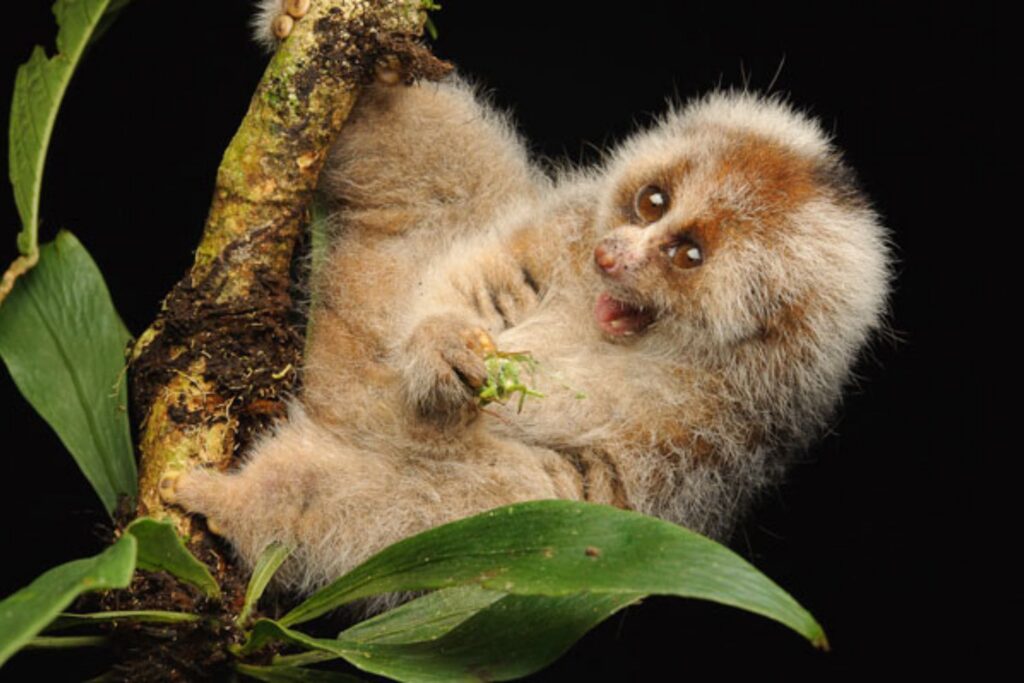
For nearly a century, it did not appear in scientific literature. Yet, on the Indonesian island of Bangka, the slow loris (Nycticebus bancanus) continued to live in the forests, gardens, and streets—so much so that residents would call rescuers when they found one in distress. Between 2015 and 2025, the Alobi Wildlife Rescue Center rescued more than 90 individuals, providing the evidence that the scientific community had been lacking. The rediscovery brings renewed attention to a primate that remains critically endangered.
A species forgotten by science
The most recent scientific records of the Bangka slow loris dated back to the period 1930–1932. In 2020, the International Union for Conservation of Nature (IUCN), the organization that assesses the risk of species extinction, had classified it as critically endangered and likely extinct.
The island’s residents, however, continued to encounter them. As documented by Re:wild, an organization dedicated to nature conservation, for over ten years residents and local authorities reported the animals to the Alobi center, which treated them and, whenever possible, returned them to suitable natural habitats.
The study, published in the scientific journal *Spixiana* and conducted in collaboration with the Haus des Meeres Aqua Terra Zoo in Vienna and the Taman Safari Prigen Conservation Center, analyzed this data. “A species can disappear from the scientific record without, however, disappearing from the lives of the people who share its habitat,” said Benji Barca, head of Re:wild’s exploration program.
Mines and Plantations Are Shrinking the Habitat
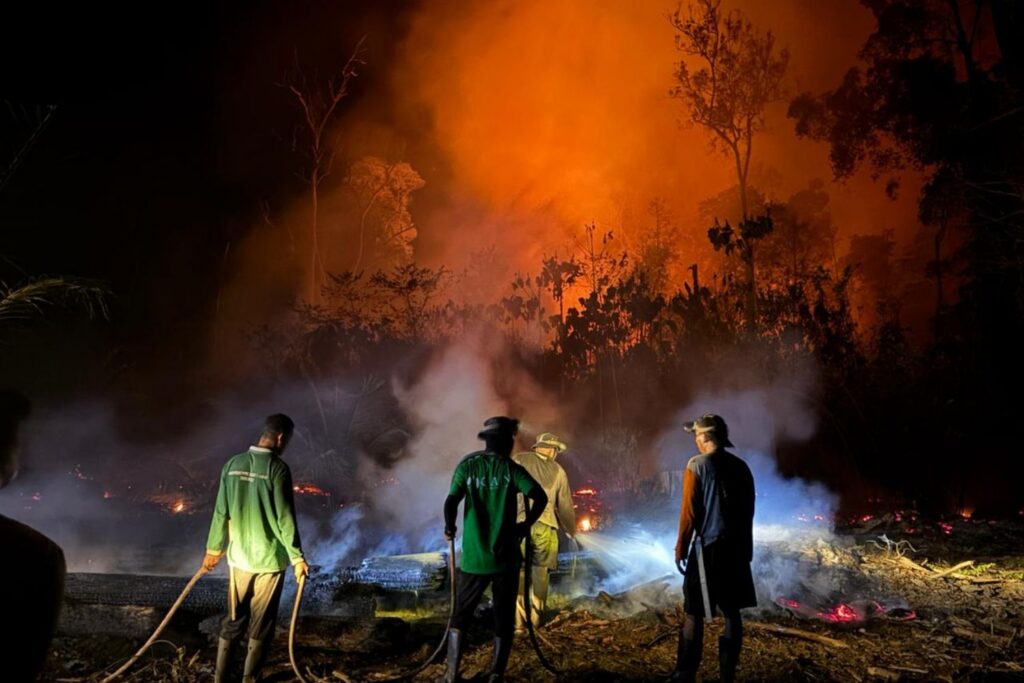
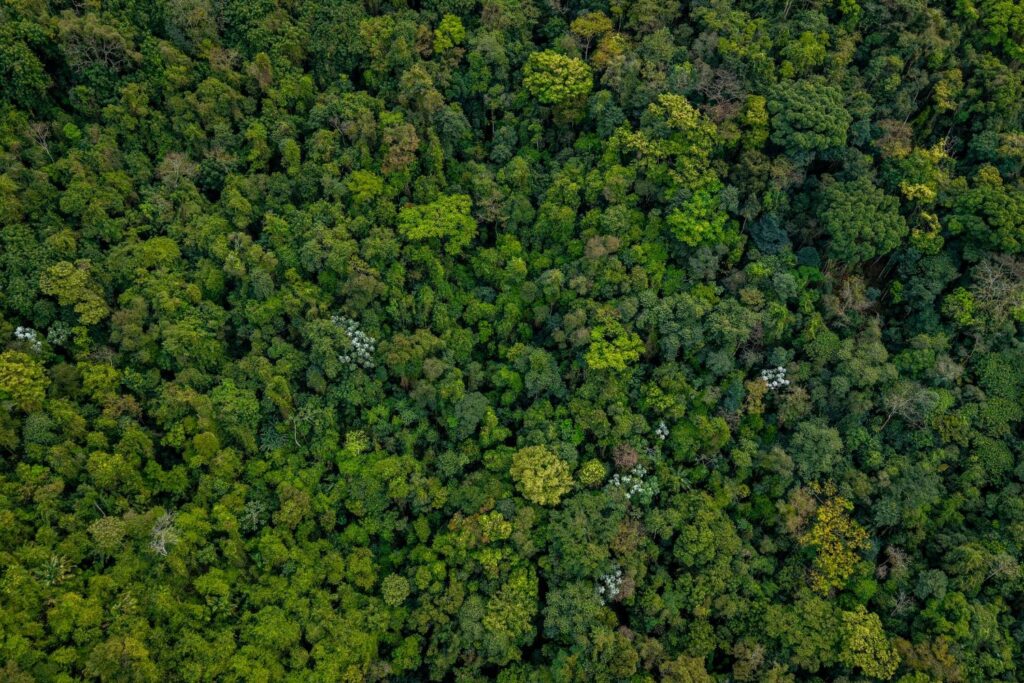
The primate’s survival remains precarious. Tin mining and deforestation to make way for oil palm plantations have reduced Bangka’s natural forests. Added to these pressures are human settlements, roads, and power lines, which can injure or kill the animals. Slow lorises are also vulnerable to the illegal wildlife trade for the pet market.
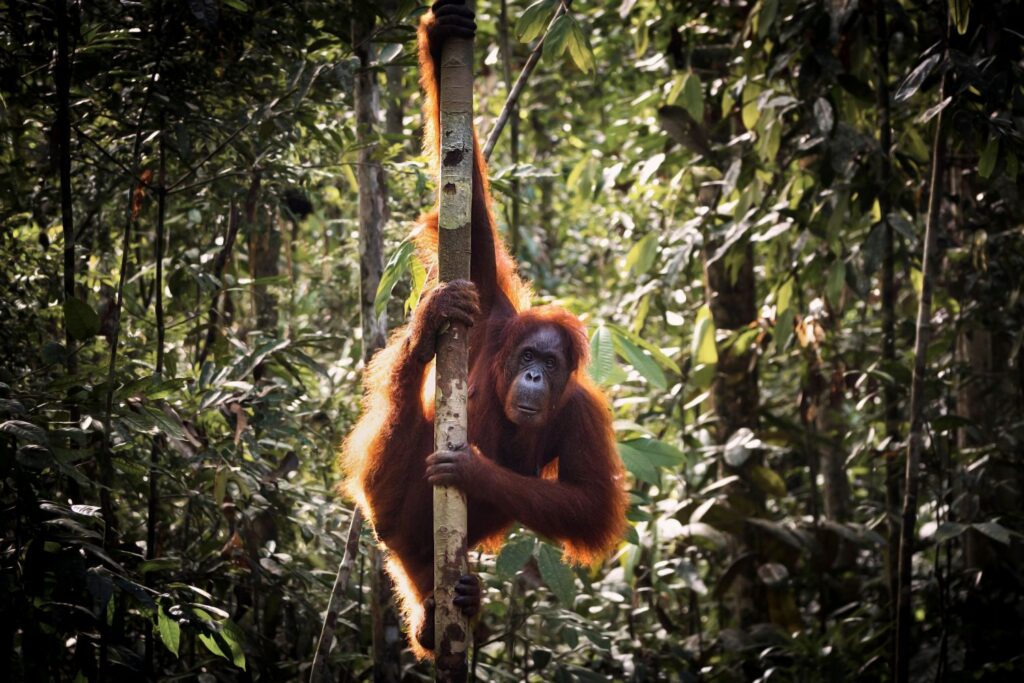
The Bangka slow loris is a small nocturnal primate with reddish-brown fur, large eyes, and light-colored patches on its muzzle. It moves slowly through the branches and has an unusual characteristic: it is venomous. It produces a secretion from glands near its elbows, which it mixes with its saliva. Its bite can cause severe allergic reactions in humans, which in some cases can be life-threatening.
Of the more than 90 specimens rescued from Alobi between 2015 and 2025, 86 have recovered and were released at seven sites on the island. To identify release sites, the project leaders selected relatively large forest areas that enjoy a certain level of legal or practical protection.
Rediscovery is the first step
Simply confirming that a species still exists is not enough to ensure its survival. We need censuses to estimate the number of remaining individuals, genetic analyses to better understand the population, and monitoring of animals reintroduced into the wild. The study’s authors also identify the protection of remaining forests and the development of a long-term conservation strategy as priorities.
“The Bangka slow loris is not extinct, but the species is still very close to extinction,” said Langka Sani, director of the Alobi Wildlife Rescue Center, in a press release issued by Re:wild.
The primate’s conservation depends above all on the ability to keep its habitats intact and to monitor over time whether the releases are successful. After nearly a century of absence from the scientific record, the challenge is to prevent its disappearance from becoming permanent.