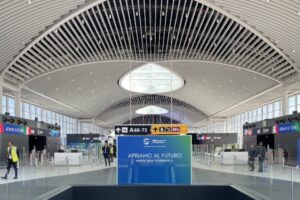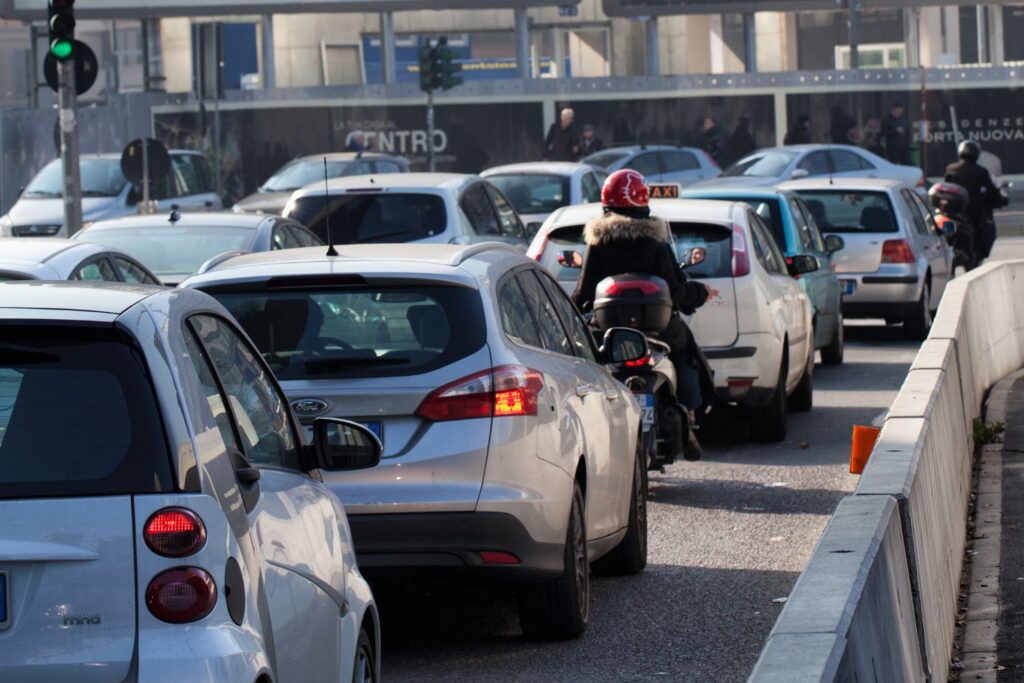
On Saturday, October 17, at 7:00 a.m., about 15 runners began running among the still-closed storefronts of Marina Square, one of Singapore’s major shopping malls. Running outdoors had become a health risk, so the X-Run Singapore running community obtained permission to turn the hallways into a track: a 1.2-kilometer loop on the first two floors and an 800-meter loop on the third, allowing them to cover up to 21 kilometers indoors in preparation for the December marathon. The initiative, reported by greenMe, will become a regular Saturday event. It is the most telling image of just how far the smoke from the fires in Indonesian Borneo has traveled.
A cloud that is spreading
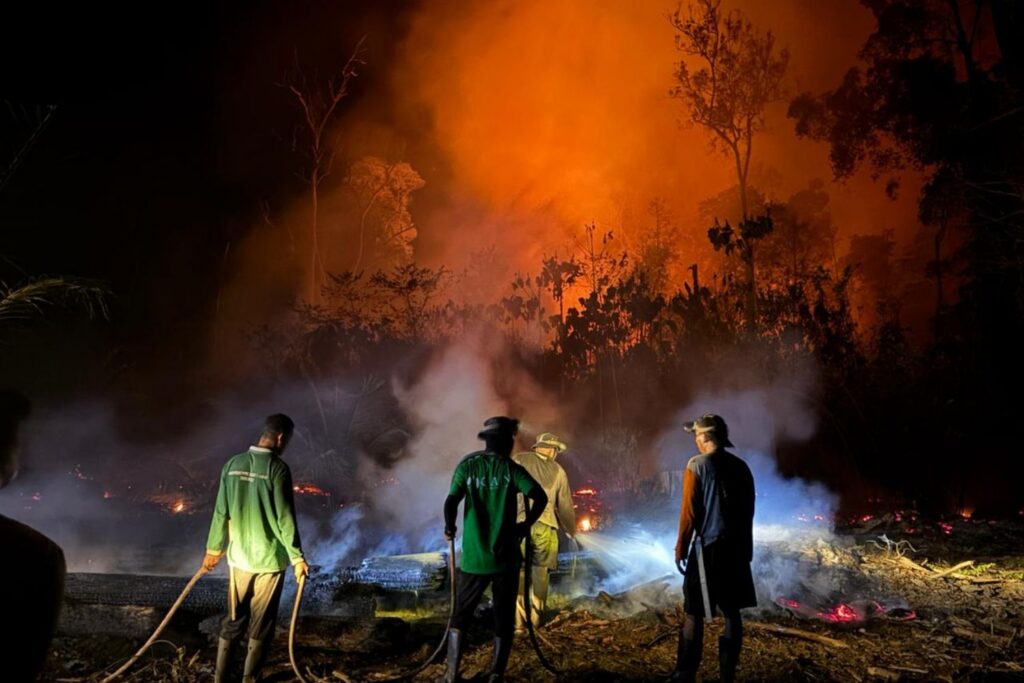
The fires flared up again with renewed intensity over the past weekend. The number of active hotspots in Indonesia has more than quadrupled, reaching 1,104 on Sunday, October 18, with Kalimantan being the hardest-hit region: in Central Kalimantan, the number rose from 92 to 495 in a single day, and in West Kalimantan, from 22 to 174. In early October, in some areas of Central Kalimantan, the air quality index exceeded 4,000—more than 13 times the threshold considered dangerous.
From there, the haze travels with the winds. The cross-border haze crisis began on August 1 and affected Brunei, Indonesia, Malaysia, Singapore, and the Philippines. In the city-state, the PSI index reached 192 on October 9—the highest reading of the year—during the worst emergency since 2015. On the same day, Malaysia closed schools in Kuala Lumpur, Putrajaya, and the states of Johor, Malacca, Negeri Sembilan, Pahang, and Selangor, keeping approximately two million students home. The Malaysian airline Firefly canceled flights between Kuala Lumpur and Singapore due to poor visibility, while in Indonesia, 2,458 domestic flights were affected between August 11 and October 17.
Sports came to a halt
Sports have come to a halt: in Singapore, highly anticipated races—including the city’s half marathon—have been canceled, and public outdoor sports facilities have also been temporarily closed. Even the Singapore Formula 1 Grand Prix was held amid haze. The smoke has spread even further north: in early September, seven monitoring stations in Manila recorded unhealthy levels of PM2.5, and Quezon City suspended in-person classes, while Brunei’s Ministry of Health issued a health alert. According to the European Copernicus service, as early as the beginning of September, emissions from the fires were the highest for this time of year since 2003.
The health toll is heavy. According to the Center for Research on Energy and Clean Air, smoke from the fires caused 1,700 deaths in Indonesia in the month of August alone, and Indonesian authorities recorded more than 280,000 cases of respiratory problems, more than 40,000 of which were among young children. Singapore has reinstated subsidized treatment for haze-related illnesses, as it last did in 2015.
Singapore Takes Legal Action; Jakarta Puts the Brakes on Aid
The crisis has also taken on a diplomatic dimension. Prime Minister Lawrence Wong announced investigations into the liability of certain companies under the Transboundary Haze Pollution Act, the law that allows for the prosecution of those who cause cross-border pollution. With three more companies named on Monday, October 19, the number of Indonesian companies that have received preliminary notices has risen to ten, although the notices do not constitute a finding of liability. The Singapore Exchange has requested information from seven listed agricultural groups regarding possible links to the fires. The Singapore government was also irritated by a remark from an Indonesian official suggesting that the city-state receives oxygen from Indonesian forests.
Meanwhile, Jakarta is proceeding in a disorganized manner. On October 15, the Foreign Ministry announced that President Prabowo Subianto had accepted offers of aid from neighboring countries, but a few days later, Dudung Abdurachman, the Coordinating Minister for Political and Security Affairs, ruled out, for now, a national disaster declaration—and without that declaration, all offers of foreign assistance remain on hold. In Central and West Kalimantan, approximately 61 aircraft remain in operation, 44 of which are being used to drop water. Relief, however, will only come with the rains, which are expected late this year.
The Fire Hidden in the Peatlands
As early as mid-August, the Ministry of Forestry had recorded 202,000 hectares of burned forests and land across Indonesia. An exceptionally strong El Niño is fueling the fires, making the dry season hotter and drier—a trend that could persist until 2027. The climate, however, is merely a catalyst. There are other causes as well: deforestation for plantations and mining, the use of fire to clear land, and drainage canals dug into peatlands to grow oil palms. A healthy peatland acts like a sponge; once drained, it becomes combustible.
Orangutans Under Siege
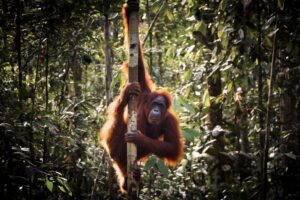
His name was Sempurna, which means “perfect” in Indonesian. He was a male orangutan who died on August 30 in Ketapang, West Kalimantan. The autopsy revealed lung damage consistent with exposure to smoke: he was not consumed by the flames; the air he breathed killed him. Between June and the end of August, 78.5% of the fires detected on the island were located within orangutan habitat, according to Geopix’s satellite analysis. “The orangutans can’t go anywhere anymore. There are fires everywhere, and they’re surrounded,” Mohammad Taufik Hidayat of the organization Sangga Bumi Lestari told Mongabay. In Gunung Palung National Park alone—which historically was home to about 2,500 orangutans—approximately 9,055 hectares went up in smoke. The Ministry of Forestry reports about 96 rescues across Kalimantan in recent months.
At the Cabang Panti research station, deep within Gunung Palung, more than 40 people cut a firebreak and set up a makeshift irrigation system to stop the flames. It’s a courageous effort, but it’s not enough on its own: as long as the peatlands continue to be drained, every new El Niño will find Borneo primed to burn.