Healthy soil breathes. Water and air move among the soil aggregates and pores; roots find space to grow; nutrients circulate; and billions of organisms go about their silent work. Much of the food that ends up on our tables depends on this structure. When the soil is compacted, however, that space shrinks: roots struggle to extend, water runs off the surface instead of seeping in, and oxygen becomes scarce. Soil compaction—one of the least understood forms of soil degradation—is the focus of World Soil Day 2026.
On December 5, the FAO, the Food and Agriculture Organization of the United Nations, will shine a spotlight on this threat under the theme“Combating Soil Compaction, Increasing Food Production.” This message directly links soil health to food security: compacted soil is less capable of performing the functions that support crop production and the resilience of agri-food systems.
Here are the causes
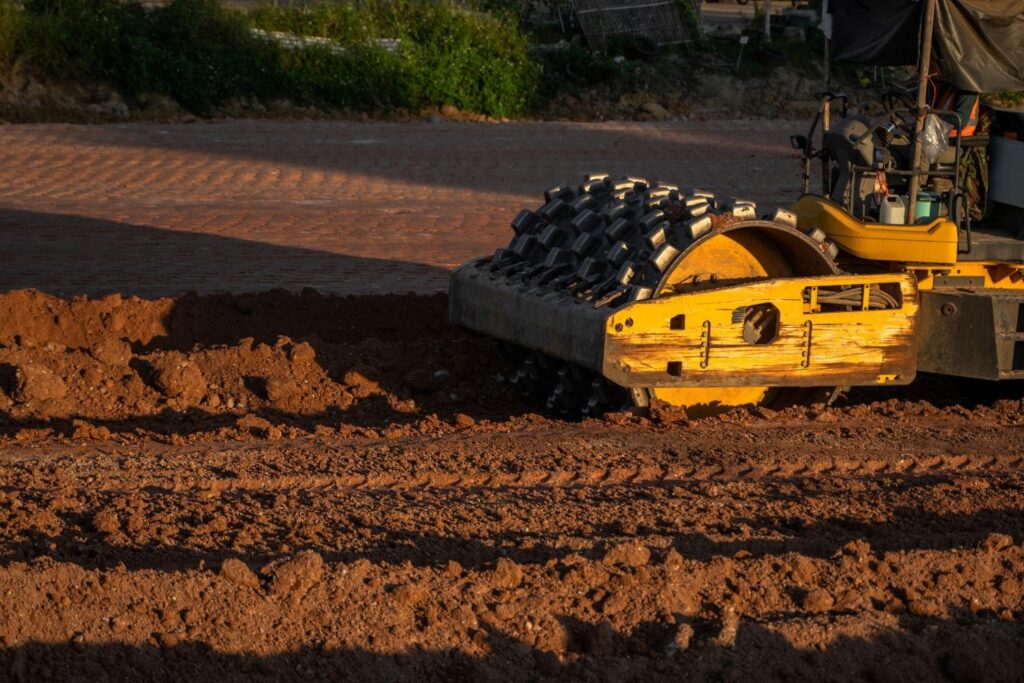
The causes are well known to agronomists: the repeated passage of increasingly heavy farm machinery, trampling by livestock, and tillage carried out when the soil is too wet. The damage is often invisible to the naked eye, but it takes its toll on yields. And the consequences extend beyond the field: soil that does not absorb water promotes runoff and erosion, and makes crops more vulnerable to both drought and heavy rains—events that are becoming increasingly frequent due to the climate crisis.
The numbers illustrate what is at stake. According to the FAO, 95% of our food comes from the soil, yet 33% of the planet’s land is already degraded. And it is a resource that regenerates extremely slowly: it can take up to a thousand years to form just 2–3 centimeters of soil. A single spoonful of soil is home to more organisms than there are people on Earth, and soil supports nearly 59% of all species. The UN agency estimates that sustainable management could increase food production by up to 58%.
The Contest
Alongside the campaign, the FAO is promoting the “Soil Collage” contest, aimed at college students. Working in teams with illustrated cards available in various languages, participants will explore what soil is, how it works, why it’s important, what threats it faces, and what can be done to protect it. Then the challenge moves to the field: identifying a soil-related problem on their campus or in the surrounding area and proposing a simple action to address it. Registration closes on November 18. Regional finalists and the global winner will be announced during the official celebration in December and will receive a certificate and FAO merchandise. The contest is organized in partnership with the French Agency for Ecological Transition (ADEME), the European Union through the Horizon Europe mission“A Soil Deal for Europe,” and the International Union of Soil Sciences (IUSS).
World Soil Day was officially established in 2014, with the support of the FAO and the United Nations General Assembly, following an initiative by Thailand. Since then, as part of the Global Soil Partnership, it has become a platform for raising awareness and taking action.