It is possible to grow while polluting less. This is confirmed by data released by ISPRA, which, in its quarterly estimate, forecasts a 1.5% reduction in greenhouse gas emissions for 2026 compared to the previous year, alongside a 0.8% increase in GDP. This is what’s known as “decoupling”: the economy moves forward, while climate-changing emissions decline. It’s still a fragile sign that needs to be consolidated, but it clearly points the way forward.
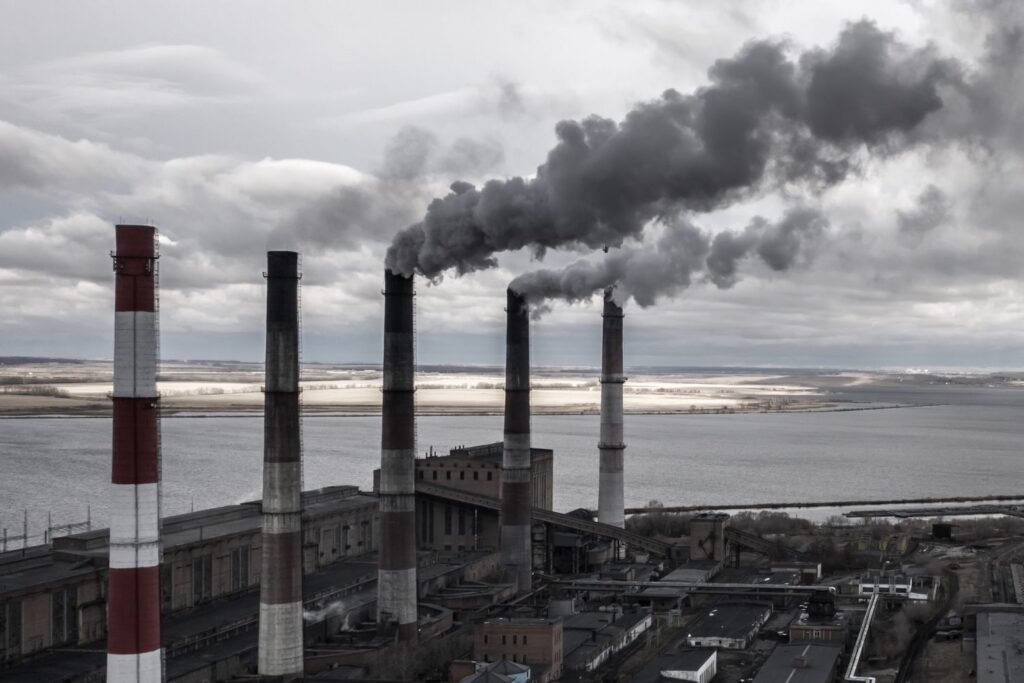
Coal is the main factor driving the curve downward. Its reduced use is clearly reflected in the industrial sector, where emissions fell by 7.7%. Next are energy production, down 1.4%, and heating, down 1.2%, in line with trends in natural gas consumption. Transportation remained virtually unchanged (-0.2%): the decline in diesel fuel for vehicles was partially offset by an increase in gasoline. There were no significant changes, however, in agriculture and waste management.
Electricity Demand
The electricity sector rounds out the picture. In 2026, electricity demand reached 156,671 GWh, up 2.5% from 2025 and 3.3% from 2024. Yet renewables accounted for 42.8% of that demand, compared to 41.1% from fossil fuels and 16.2% imported from abroad. We’re consuming more energy, but a growing share of it is clean. “Economic growth and environmental sustainability can go hand in hand,” emphasized Maria Alessandra Gallone, president of ISPRA and SNPA.
The issue, then, is political rather than technical. If coal is the factor that, more than any other, is driving emissions down, completing the phase-out of this fuel is the fastest and most cost-effective way to move closer to European and national climate goals. And Italy is already one step away from the finish line: the country had set a target to phase out coal by 2025 in its 2017 National Energy Strategy, later confirming this in the PNIEC, with a longer deadline—until 2028—for Sardinia. Today, less than 2% of the country’s electricity is generated by burning coal.
A Dangerous Amendment
Yet the direction taken is the opposite. An amendment to the Energy Bills Decree (Decree-Law 21/2026) has postponed the permanent shutdown of coal-fired power plants until December 31, 2038, leaving the four remaining plants in operation —Sulcis and Fiume Santo in Sardinia, and Brindisi and Civitavecchia on the mainland—with a combined capacity of approximately 4.7 GW. The justification is energy security, but the decision raises more than a few doubts.
Brindisi has been shut down since 2024, Civitavecchia has not produced any energy since 2025, and as of January 1, 2026, neither plant can use coal anymore. To restart them, a new authorization process would be required—the outcome and timeline of which are far from certain—and local opposition would in all likelihood resurface. Meanwhile, this standby period comes at a cost: according to the Ministry of the Environment and Energy Security, between July 2024 and July 2025, the two plants were paid 78.3 million euros without actually producing a single kilowatt-hour.
Postpone it for 12 years? No, thanks
In short, this path is viable and has already been largely traveled. ISPRA’s figures show that phasing out coal completely does not jeopardize growth; on the contrary, it supports it. The resources spent on keeping inactive plants afloat could instead be directed toward grid infrastructure, energy storage, and renewables—that is, the tools that truly ensure the system’s security. The most difficult challenges remain to be resolved—from transportation to building heating—where progress is still limited. But phasing out coal is the simplest step, and postponing it for another twelve years would mean squandering the progress we’ve made so far.