In 2025, China exported water filtration and purification equipment worth over $2 billion, a 25% increase from the $1.6 billion recorded in 2020. The figure comes from UN Comtrade and was reported by Reuters in a story about the country, which is becoming one of the leading suppliers of water technologies to Asia, the Middle East, and Africa. Among these technologies is desalination—the process of removing salt from seawater to make it drinkable. This push stems from a domestic problem: China’s natural water resources are dwindling.
Retreating glaciers, depleted aquifers
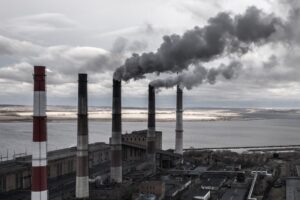
Tibet’s glaciers—the “water towers” on which nearly 2 billion people in Asia depend—are melting due to the climate crisis. In August, the collapse of a glacier on the border between Nepal and Tibet highlighted their instability. In northern China, severe water overexploitation has depleted aquifers and left key agricultural regions with systemic water shortages.
China Water Risk, a Hong Kong-based think tank, warns that by 2050, ten major river systems—on which one in every two people in Asia depends—could reach “peak water”: the point at which river flows, after the peak of glacial melt, begin to decline steadily.
Beijing’s Response
According to China Water Risk, China’s spending on water conservation has been growing faster than its military spending since 2015. Today, it exceeds 1,200 billion yuan per year, or about 170 billion dollars. In July, new regulations under the Five-Year Plan—the government’s economic program—designated water as a pillar of national security. About 80% of China’s freshwater comes from surface water; recycling, desalination, and rainwater harvesting account for 3–4%, and the authorities have committed to increasing this share.
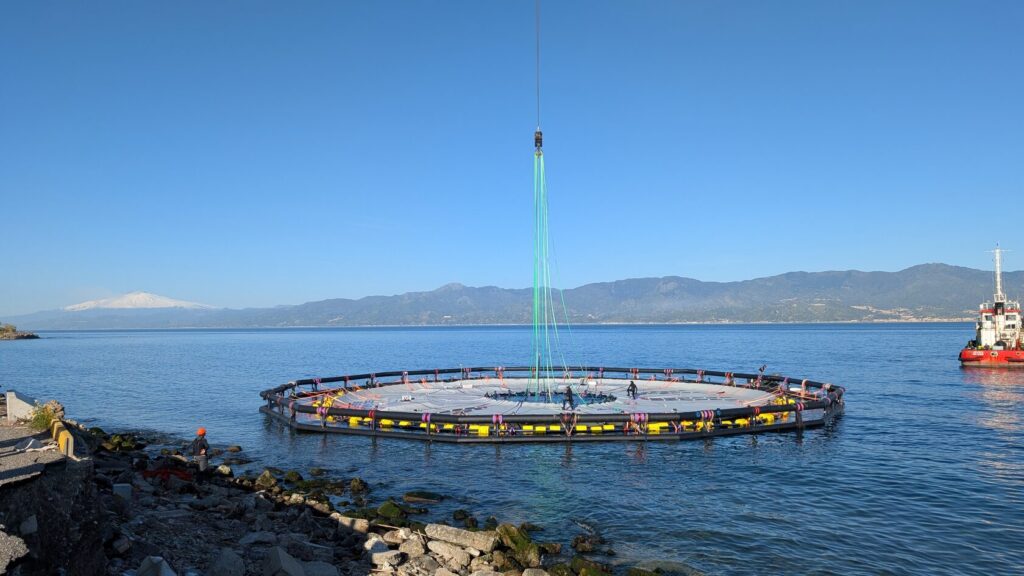
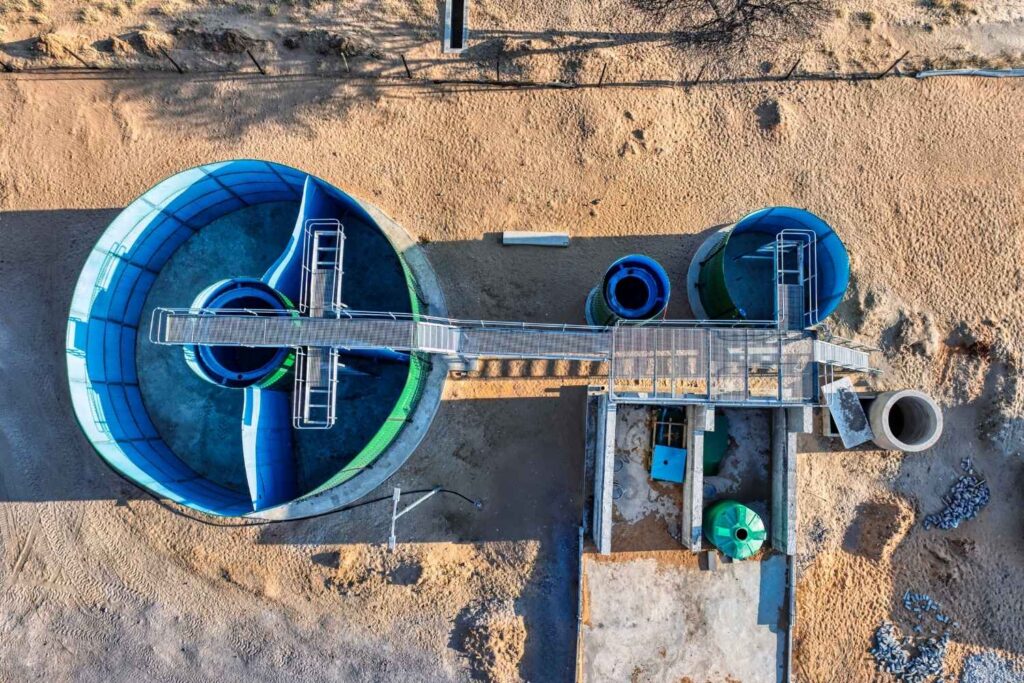
According to the Ministry of Natural Resources, by the end of 2025, China was operating 167 desalination projects, producing approximately 3 million metric tons of water per day—221,283 more than in 2024. There are plenty of obstacles: investment costs are high, distribution across multiple cities requires centralized planning, and many citizens still view desalinated water with suspicion.
Sellers, Buyers
Among the suppliers is Vontron Technology, a Chinese company that manufactures desalination membranes—the filters that trap salt. It reports having shipped over 30,000 of them last year to countries involved in the New Silk Road, the program through which Beijing connects its capital and infrastructure projects to developing markets. Egypt, Saudi Arabia, and the United Arab Emirates are among the main customers for membranes, filtration equipment, and engineering services.
Benjamin Horton, dean of the Faculty of Energy and Environment at City University of Hong Kong, believes that China’s ability to produce water technologies on a large scale could reduce costs for countries with limited water resources. Saleh Al Khabti, president for China at ACWA—a Saudi company that procures equipment for renewable energy, green hydrogen, and desalination—predicts that desalination will become “a major export sector,” just as wind and solar power already are: “Once it reaches its full potential, China will be the leader.”