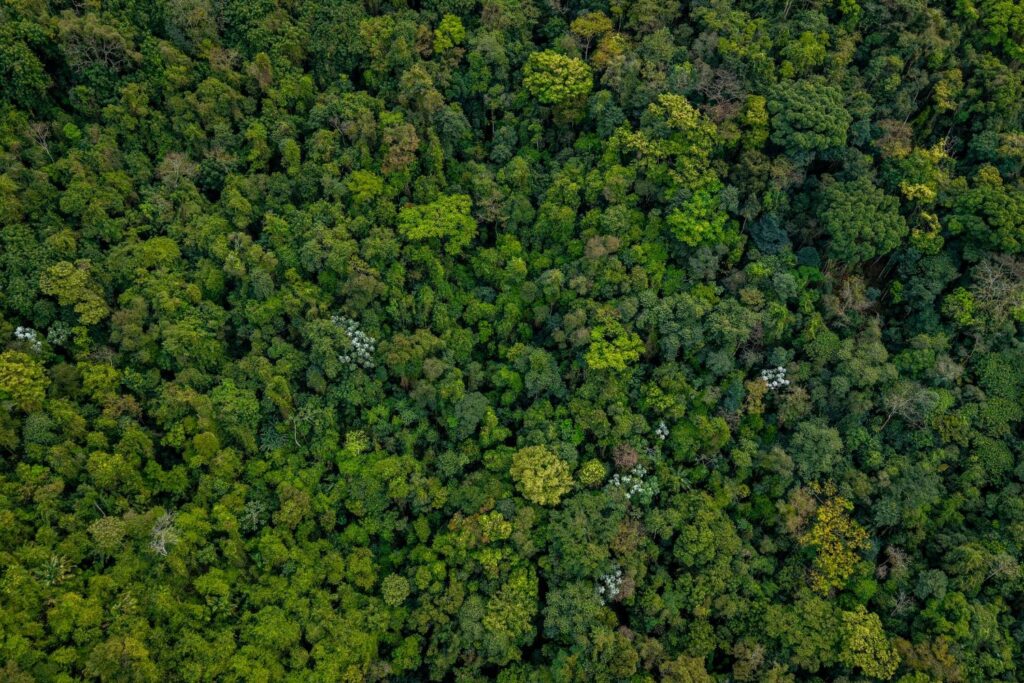
About 400,000 trees have been cut down in Finland to make way for Google’s new data centers. This is the estimate from the Finnish Association for Nature Conservation (SLL), which has denounced the destruction of more than 500 hectares of forest before the necessary environmental assessments were completed. Authorities have called for work to be halted at two sites and have filed a request for an investigation with the police. Google has apologized, claiming it acted in accordance with its own interpretation of the regulations.
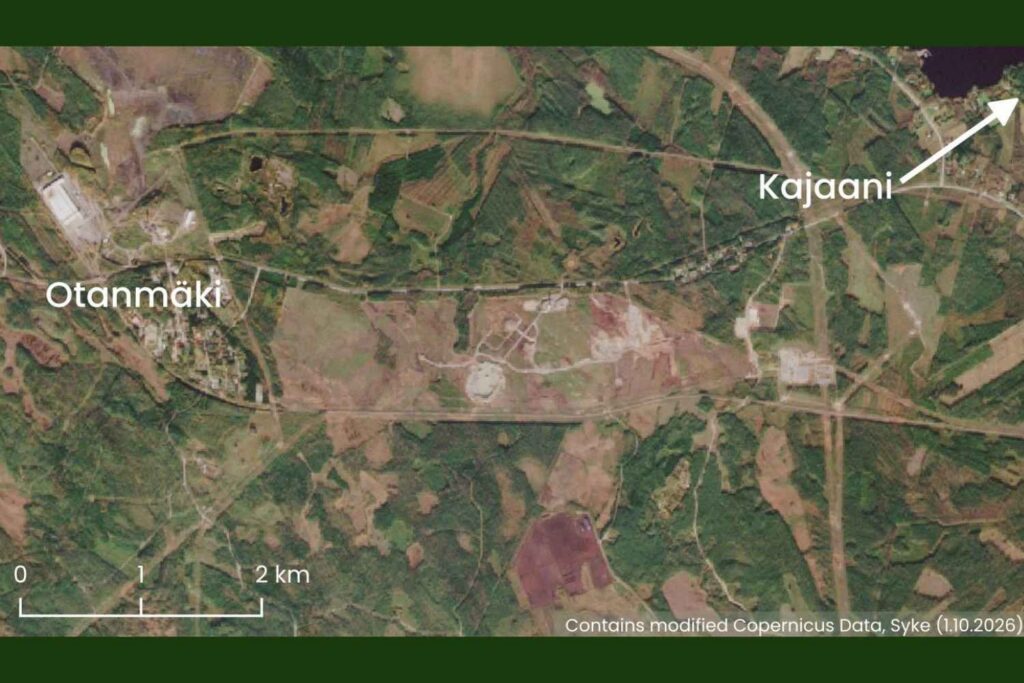
The case involves Muhos, in the northern part of the country, where, according to environmentalists, approximately 250,000 trees were cut down across 330 hectares, and Otanmäki, in the municipality of Kajaani, where an estimated 150,000 more were felled. The Guardian, which visited both locations, describes vast areas devoid of vegetation, with soil removed and waterways clouded by the logging operations.
Tree Removal Prior to Environmental Assessments
The dispute stems from a complaint filed on September 16 by SLL. The association cites Finnish legislation on environmental impact assessment, a procedure designed to identify in advance the consequences of a project on ecosystems, water, and soil.
On October 6,the Finnish Licensing and Supervisory Authority (LVV) asked Tuike Finland, a Google subsidiary, to suspend preparatory work at the two sites because the assessments were still incomplete. The head of Google Finland, Antti Järvinen, publicly apologized. In an interviewwith the public broadcaster Yle, he explained that the decisions had been made based on the best available interpretation of the law. He also denied that the company had rushed the tree-cutting to get ahead of the inspections.
The Protest in Helsinki
On October 22, the LVV requested further clarification regarding water management in Muhos. According to the authority, excavation and drainage channels could increase the acidity of the water and promote the release of metals from the soil. The company must submit a detailed plan by November 5 to prevent these risks.
The authority has also filed a request with the police to investigate the Muhos project. It remains to be determined who, if anyone, is responsible. Tuike Finland has announced that it has suspended preparatory work at both sites.
Meanwhile, the protest is gaining momentum. Following an initial demonstration outside Google’s offices in Helsinki, the youth organization Luontoliitto has called for a new protest today, October 26, from 4:00 to 5:00 p.m. The organizers are calling for a halt to the expansion of data centers, denouncing their impact on forests and energy consumption.
To date, the popular legislative initiative “Datakeskukset kuriin,” submitted on September 15 via the official Finnish platform, has also surpassed 97,000 signatures. The proposal calls for stricter regulations for data centers and a financial contribution from companies to compensate for environmental damage and resource consumption. Having surpassed the 50,000-signature threshold, it can now be submitted to Parliament for consideration.
Thirteen billion in investments, but what are the benefits?
The controversy centers on part of the 13-billion-euro plan announced by Google to expand its digital infrastructure in Finland. The cold climate, which facilitates server cooling, makes the country particularly attractive for these facilities.
According to the British newspaper, there are 145 new data centers in various stages of planning. These are large facilities that house computers designed to process and store data, including data needed for artificial intelligence systems. Their expansion raises questions about electricity consumption, employment benefits, and the impact on ecosystems.
The Finnish government views these investments as an economic opportunity. Environmental groups, on the other hand, are calling for stricter oversight before construction begins and guarantees that the forests will be protected. Google has announced measures to protect waterways and plant trees on 130 hectares in Muhos. According to environmentalists, these measures would not compensate for the losses incurred.