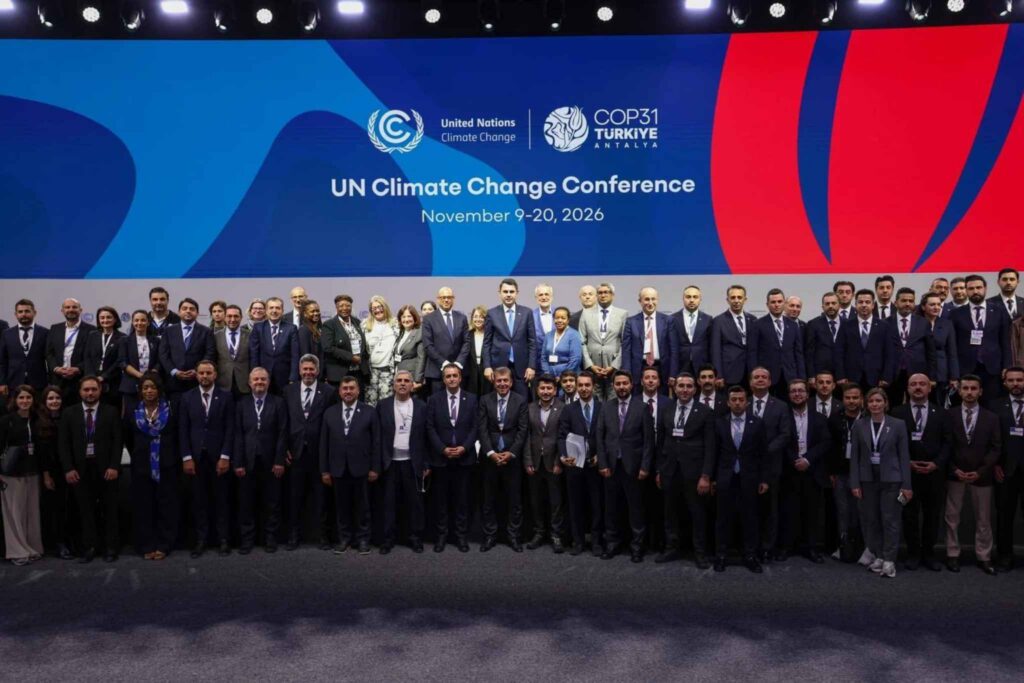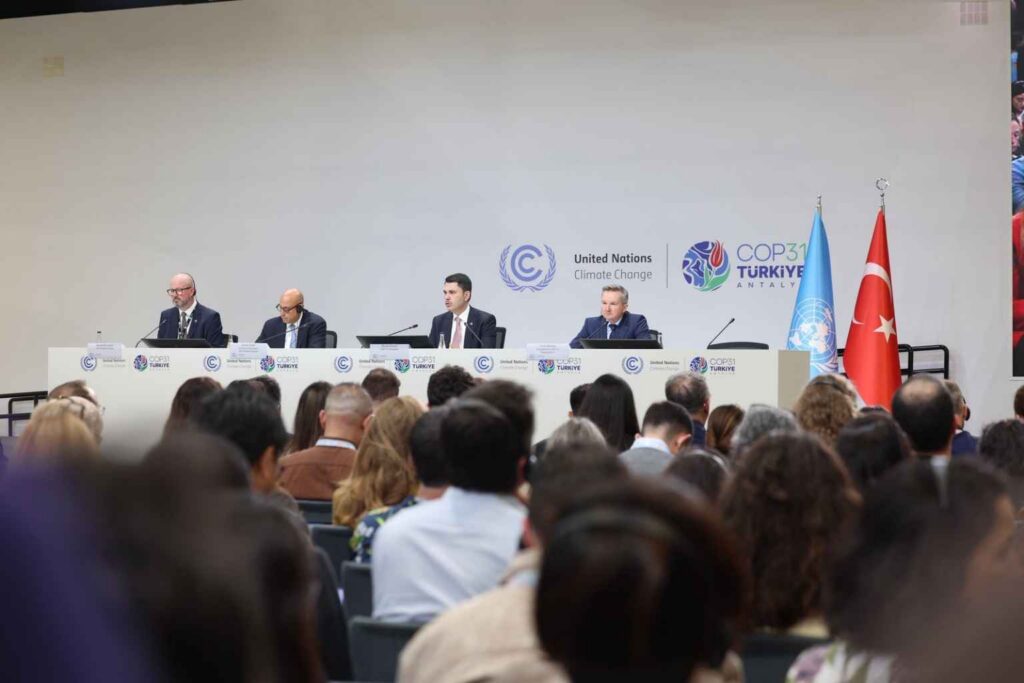
They won in Antalya. Russia and the Arab oil-producing countries managed to remove all references to fossil fuels from the final draft of COP31. The EU and the most vulnerable countries refused to sign, and on November 22, after 44 hours of overtime, the conference ended without a final decision. All that remains is the voluntary “35 by 35” commitment (to increase the share of electricity to 35% of final energy consumption by 2035) and the call by 123 companies and investors to accelerate electrification. On paper, this is a complete victory for those who depend on crude oil and natural gas.
But outside the convention center, the picture is quite different. According to the International Energy Agency, in 2026 the world will invest 2,200 billion dollars in renewables, grids, storage, and nuclear power—nearly double the 1,200 billion allocated to oil, gas, and coal. And in 2025, renewables surpassed coal in global electricity generation. Oil-producing nations can block a document, but they cannot rewrite the balance sheets. Of course, the crisis has been a boon for European oil companies, whose stock prices have risen by as much as 87% since January. But the long-term trend is revealed by other figures.
High Energy Costs as a Catalyst
The pressure is coming from households’ wallets. A Verian survey conducted between October and November among 1,000 citizens per country in France, Germany, Italy, Spain, Poland, and the United Kingdom found that 75% reported that their household budget had been significantly impacted by the high cost of living and energy prices—an increase of 11 percentage points from June. In Italy, the figure rises to 84%, the highest rate, ahead of Spain (81%). Since the war in Iran began in late February, every time they fill up their tanks, it’s a financial drain.
As a result, electric cars are beginning to be seen as a form of insurance. Thirty-nine percent of Italians would consider one as their next car: we’re second only to the British (40%). Thirty-five percent believe that drivers of battery-powered cars are better protected from price hikes: a figure that has risen by 8 percentage points since June, the largest increase among the six countries analyzed in the survey. Forty-four percent say that high fuel prices are prompting them to consider buying an electric car. And Italians also know what they need to make the new mobility system work: 70% want lower taxes on electricity for charging, 61% want social leasing for low-income families, and 56% want incentives for electric company cars.
The market is racing ahead; Italy is playing catch-up
Sales confirm the trend. In the first ten months of 2026, the EU registered over 2.2 million fully electric or plug-in hybrid cars, 50% more than in the same period of 2025: nearly one in four new cars. In October, electric cars—nearly 280,000—outnumbered gasoline-powered cars, which remained below 160,000.
Italy is growing faster than the average—with over 109,000 electric vehicles and a 60% increase—but it’s starting from such a low base that it still accounts for less than one in ten new electric cars, while non-plug-in hybrids make up nearly half the market. There remains a significant gap between the 39% who want a plug-in car and the actual market share, but this gap could be bridged if measures similar to those adopted in countries leading the electric vehicle transition were implemented.
The lesson from Antalya is that the transition no longer waits for unanimity at the COPs: it is driven by prices, capital, and drivers. But without a global agreement, it’s up to governments to turn demand into purchases, and in Italy, the tools are the ones citizens are already pointing to: lower taxes on electricity, social leasing, and corporate fleets.