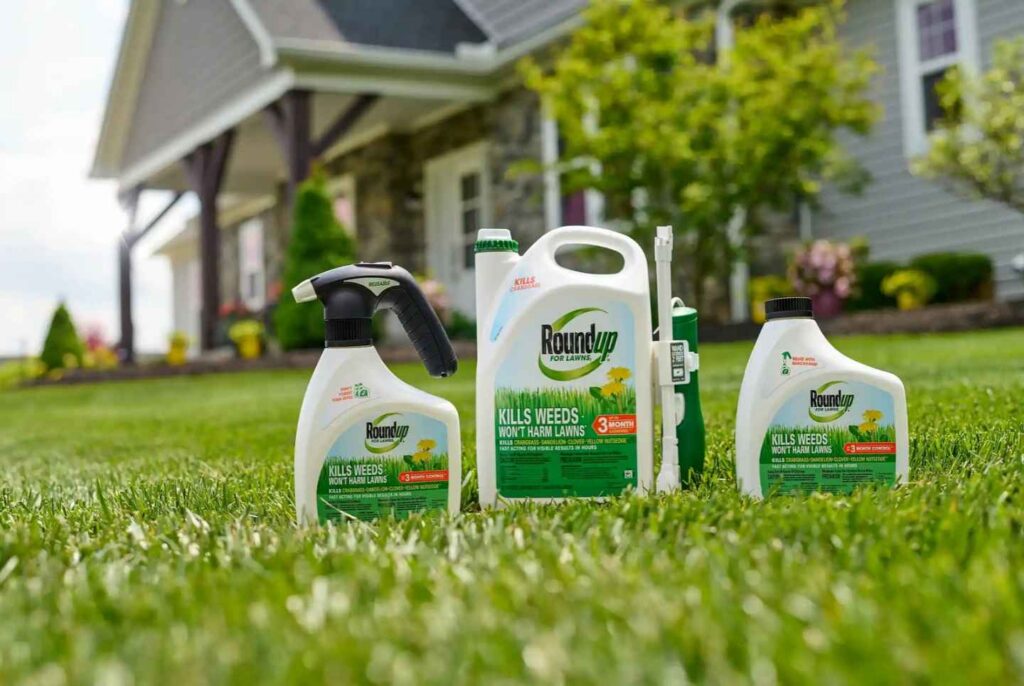
Farmers, gardeners, and park and golf course maintenance workers. For tens of thousands of people in the United States who link their lymphoma to prolonged use of Roundup—the world’s best-selling herbicide—the path to compensation is now open. A Missouri state court has given final approval to the $7.25 billion settlement proposed by Bayer, the German company that has controlled Monsanto—the manufacturer of the herbicide—since 2018. It is one of the largest class-action settlements ever approved in the country.
How the settlement works
The settlement was filed in February as a class-action lawsuit and received initial approval from Judge Timothy Boyer of St. Louis on March 4. The decisive hearing took place in September, with supporters and opponents facing off: some of the plaintiffs’ attorneys objected to the idea of having their clients participate in a settlement agreed upon with the company, while others considered it the fastest way to obtain compensation.
The program provides for staggered payments over up to 21 years and covers both those who have already filed a lawsuit and those who, having been exposed to the product, may receive a diagnosis in the future. Following the initial approval in March, the company was already required to pay $500 million into a fund, while those who did not wish to participate had until June 4 to opt out. Bayer is not required to admit any liability.
Eight years of legal battles
For the Leverkusen giant, the decision feels like a turning point. The $63 billion acquisition of Monsanto has turned into a heavy burden: thousands of lawsuits, multi-million-dollar verdicts, and a first major settlement of about $10 billion in 2020 that resolved many disputes but did not cover future claims. At the start of the year, approximately 65,000 lawsuits were still pending. Bringing this matter to a close is one of the key objectives of CEO Bill Anderson, who has been leading the group since mid-2023.
The influence of the Supreme Court
In June, the Supreme Court bolstered the company’s position by ruling that Bayer cannot be held liable for failing to warn consumers of potential risks. The reason: the federal government had authorized the sale of Roundup without requiring any warning on the label. This ruling stripped many plaintiffs of one of their most frequently used arguments in court.