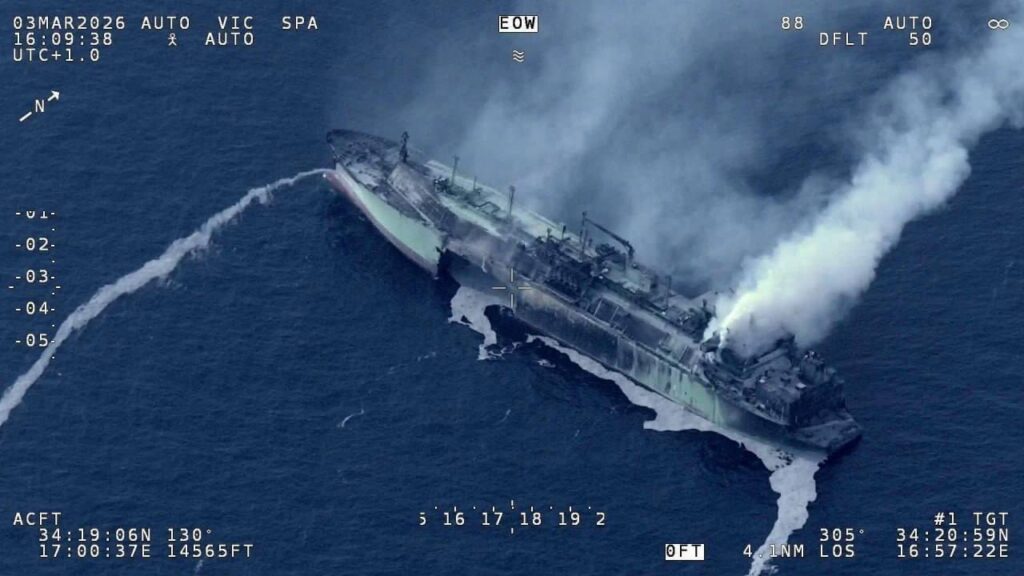
The Sicilian Channel remains with bated breath as a large damaged LNG carrier continues to move slowly in the central Mediterranean. It is the Arctic Metagaz, a 277-meter-long ship that was struck on March 3 by a drone attack while sailing between Libya and Malta. Since then the vessel, which is unmanned and has severe hull damage, has been monitored by maritime authorities while it remains in an area between Maltese and international waters south of Sicily.
On board, according to estimates circulated in recent hours, are some 900 tons of diesel fuel used as the ship’s fuel and tens of thousands of cubic meters of liquefied natural gas (LNG) contained in the LNG carrier’s cryogenic tanks. The crew, some 30 people, was evacuated immediately after the attack and transferred to safety. Since then, the ship has remained under observation by Italian and Maltese authorities, who are evaluating technical options to stabilize it.
An ecologically sensitive stretch of sea
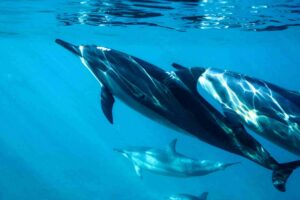
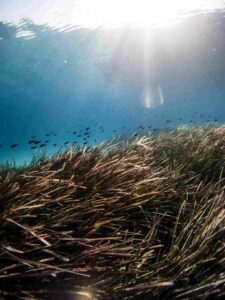
The area involved is not just any stretch of the Mediterranean. The Strait of Sicily is one of the most oceanographically dynamic points in the entire basin: deep currents, articulated seabed and variable temperatures favor the presence of a very rich biodiversity. Numerous migratory species transit these waters and there are sensitive marine habitats that make the area particularly environmentally sensitive.
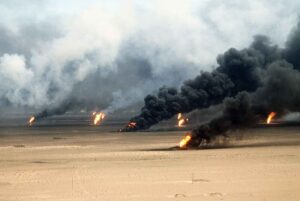
For this reason, environmental organizations are closely monitoring developments. WWF has drawn attention to the possible risks associated with a possible accident, especially if the ship suffers further damage. The main danger concerns the diesel fuel in the ship’s service tanks, which could cause marine pollution if spilled.
Liquefied natural gas, on the other hand, has different characteristics than liquid hydrocarbons: in contact with water it evaporates rapidly and does not produce persistent contamination like oil. However, safety risks remain possible, such as the formation of cold clouds of gas or the possibility of fire in the event of significant leaks.
International monitoring
The situation is also being closely monitored by the Italian government. Palazzo Chigi has convened an emergency summit with the participation of Prime Minister Giorgia Meloni and the relevant ministers – Foreign, Defense, Environment and Civil Protection – to coordinate the monitoring of the ship together with the Maltese authorities.
Navy units and specialized anti-pollution assets remain in the area to monitor the situation and intervene if necessary. Operations are complex: an LNG carrier of this size, damaged and unmanned, cannot be towed easily and requires very precise technical assessments before any intervention.
Weather conditions and sea currents could affect the ship’s movements in the coming hours, which is why satellite and ship monitoring is continuous.
The knot of oil tankers in the “shadow fleet“
The Arctic Metagaz case also brings back into focus the issue of the so-called “shadow fleet,” the network of ships used to transport oil and gas by partly circumventing Western sanctions imposed on Russia after the invasion of Ukraine. These are often vessels with opaque corporate ownership, registrations in different countries and insurance coverage that is not always clear.
These ships regularly pass through strategic routes such as the Mediterranean, raising questions about the safety of energy trades and the environmental risks associated with transporting large quantities of hydrocarbons.
Energy, geopolitics and security of the seas
The attack that struck the LNG carrier has not been officially claimed, but Moscow attributes it to Ukrainian drones. Whatever the dynamics of the incident, the incident shows how geopolitical tensions can have consequences even far from theaters of war.
The Mediterranean, a key hub of energy routes between the Middle East, Africa and Europe, increasingly finds itself at the center of these dynamics. And every accident involving large tankers is a reminder of how complex and potentially risky the transport of fossil fuels remains a complex and risky supply chain.
Meanwhile, the Arctic Metagaz continues to be guarded while authorities consider how to secure the ship. The next few hours will be crucial in determining whether it can be stabilized or towed to a safe port, preventing an industrial accident from turning into an environmental problem for the Mediterranean.