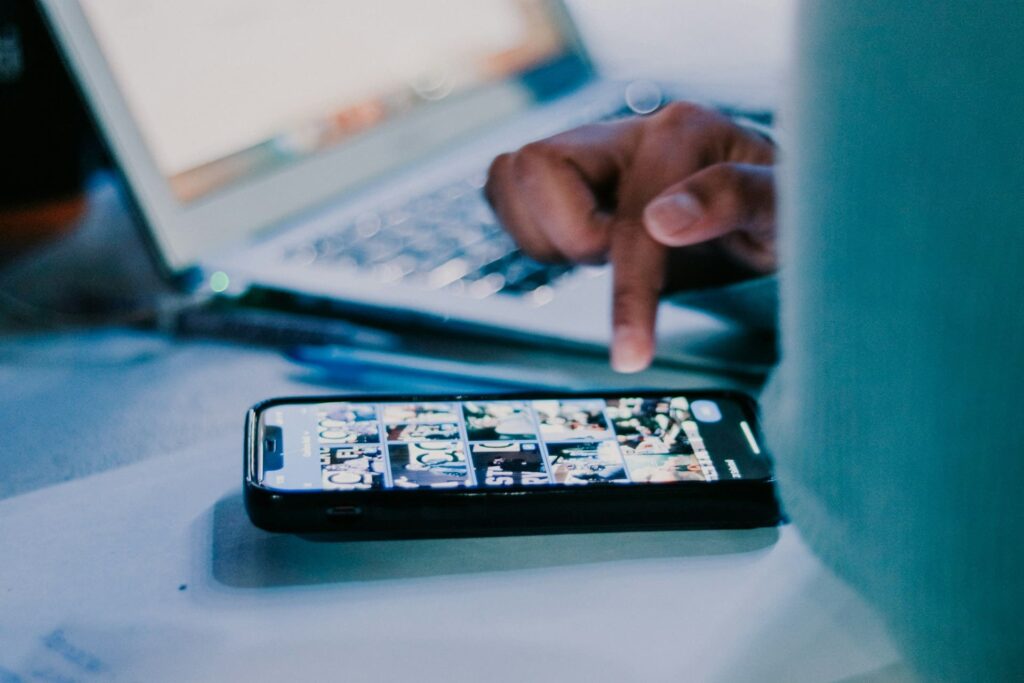
Something that until yesterday seemed like digital fantasy politics has been triggered in Australia: an entire country has decided to shut down social media access to children under 16. Not just a warning to parents or yet another recommendation on “good online practices”: a total ban, which went into effect overnight, with immediate deactivation of all profiles traceable to users under 16. For those who did not yet have an account, the door will reopen only at the digital age of majority.
Instagram, TikTok, YouTube, Facebook, X, Reddit, Snapchat, Twitch: the list is longer than the average teenager’s patience, but the substance does not change. Canberra has decided that that universe is not for younger people, at least not before the age of 16. It is the first such regulation in the world.
The responsibility is all on the platforms
The Australian government did not want to put families in the crosshairs. No fines to parents or kids. The ones who
The problem is the reliability of age verification systems. Biometric algorithms that estimate age from a face are certainly not infallible. And in fact several 15-year-olds in the weeks leading up to D-day quietly evaded the checks. Not to mention the most trivial solution: activate a VPN and pretend to be connected from another country. In practice, the ban is there, but it is far from geek-proof.
Privacy and documents: the dark side of the norm
To really verify the age of users, ID will not infrequently be needed. And here the outcry is triggered: who guarantees that that sensitive and palatable information will remain protected? Critics fear a backward leap in privacy protections, whilst parent associations and youth groups dispute the risk of social exclusion for those who will remain outside the digital world.
Protests that have not moved the government’s line one iota: the law, passed in 2024, is now fully operational.
The debate is anything but local. The European Union has already opened the door to a similar ban: in November, the
Denmark is also considering a similar, but more elastic, squeeze: 13- and 14-year-olds would still be able to use social media as long as they have parental permission.
Asia on the move: time limits and daily caps
The issue is global. Malaysia will impose a ban on under-16s in 2026.
The Australian decision will be watched with a magnifying glass by governments and platforms. Will it really work? Will it reduce risk or just produce a black market for VPNs and creative digital identities? And what will such an invasive control system cost in terms of privacy?
For now, one thing is certain: Australia has hit the “reset” button on the relationship between minors and social networks. Other countries are already considering whether to follow suit if this digital revolution risks creating more problems than it solves.