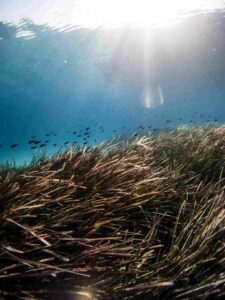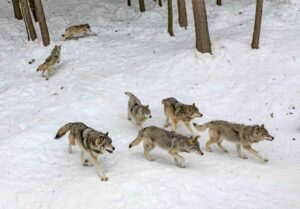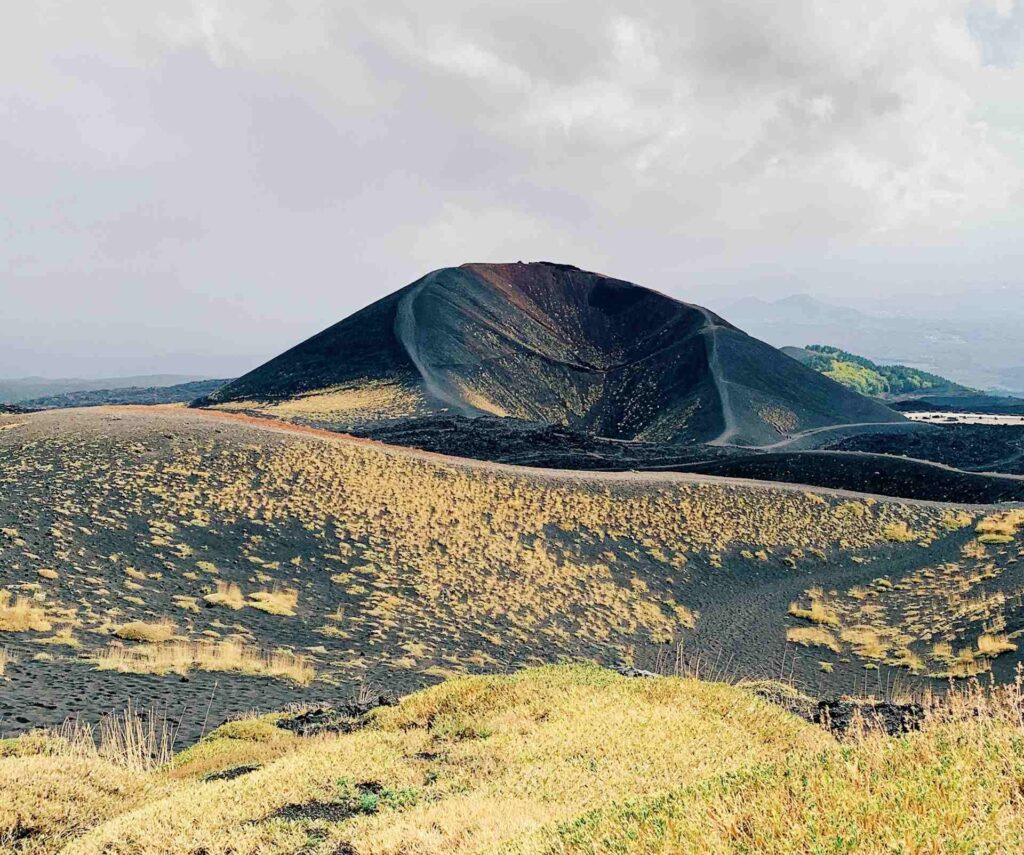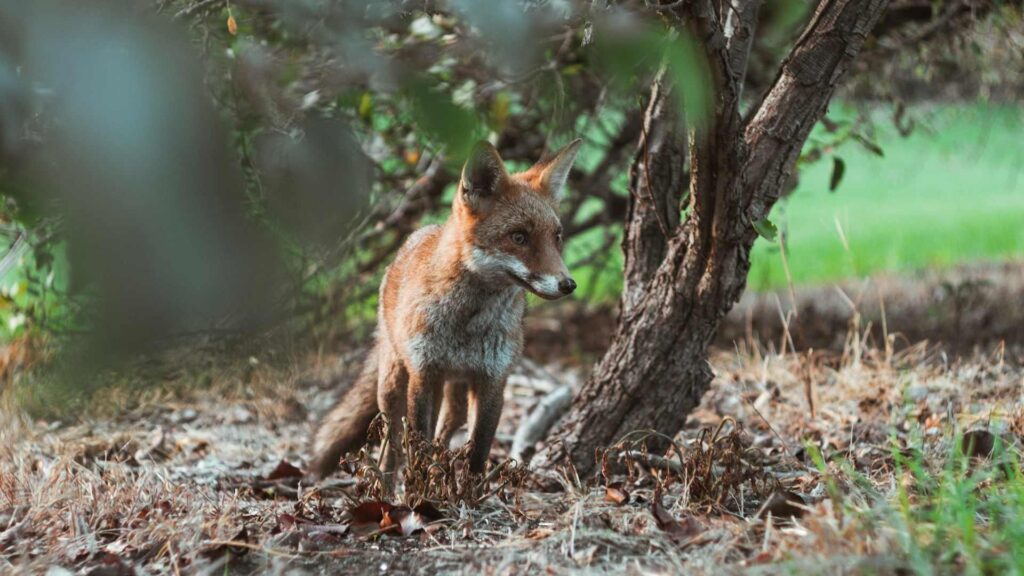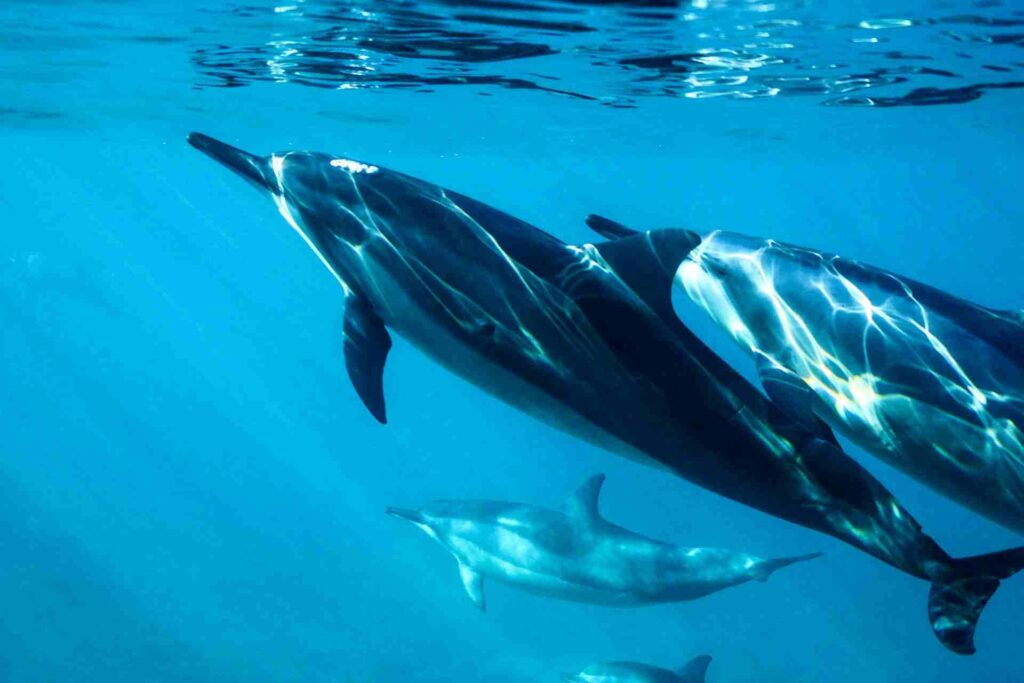
Biodiversity heroes spend months observing dolphins to decipher their sounds, study ecological corridors along African rivers, and protect primates in forests increasingly frayed by deforestation and climate crisis. It is this often little-known work that is meant to celebrate the Wolfgang Kiessling International Prize for Species Conservation, the Global Humane Society’s international award dedicated to conservationist Wolfgang F. Kiessling.
The award is given annually to researchers who, through scientific studies and field projects, contribute to the protection of endangered species and the ecosystems on which they depend.
Habitat loss, climate change, pollution and illegal wildlife trafficking are accelerating what many scientists are now calling the sixth mass extinction. Against this backdrop, conservation requires increasingly integrated approaches: research, habitat management, community involvement, and new conservation strategies.
Just these days, the new application phase for the 2026 edition of the award opened. Conservation scientists can apply until June 1, sending a dossier that tells the story of their research findings and the impact of their projects in the field.
The science behind conservation
The 2025 prize was awarded to marine biologist Kathleen Dudzinski, among the world’s leading experts on dolphin communication. For more than 30 years, the researcher has been studying the social behavior of cetaceans and their vocalization systems, trying to understand how these animals communicate with each other.
The data she collects help improve policies to protect marine species and strengthen environmental education and public awareness programs on ocean health. In fact, research on dolphin communication offers new keys to read the complexity of social relationships in marine mammals and to develop more effective conservation strategies.
Researchers on the front lines
Each year the prize also selects finalists from different continents and with very different experiences. These include 2025 U.S. biologist Danté Fenolio, who is committed to safeguarding threatened amphibians through breeding programs and portable laboratories used directly in remote territories. Then there is conservation biologist Hilde Vanleeuwe, who has been working for decades to protect African elephants and forest ecosystems, promoting the protection of ecological corridors along rivers to ensure habitat continuity.
Also among the nominees was Malagasy primatologist Jonah Henri Ratsimbazafy, a leading figure in lemur conservation. Through scientific programs and educational initiatives in Madagascar’s rural communities, his work combines research, conservation and local development.
An award that amplifies research
In addition to scientific recognition, the Kiessling Prize offers winners funding to support their activities and an international media campaign that tells a global audience about their work. The goal is to show how central science is to defending biodiversity: behind every species saved from extinction are years of research, data collected in the field, and a network of scientists, local communities, and institutions working together.