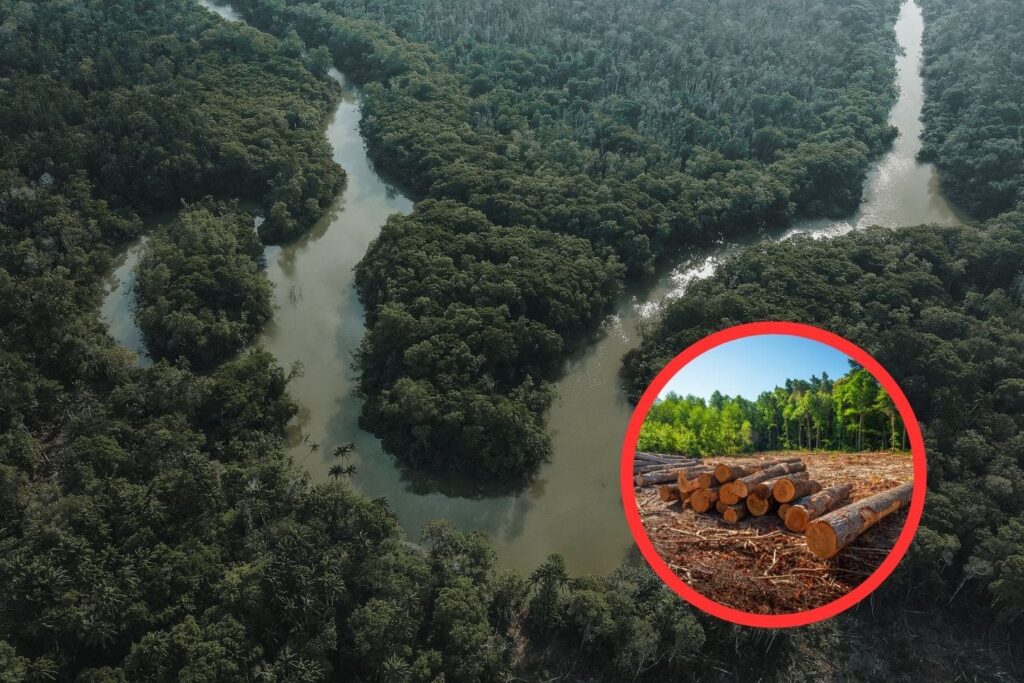
Rivers, lakes, and wetlands are the habitats where the decline in monitored wild vertebrate populations is most pronounced. From 1970 to 2022, the average decline reached 85% in freshwater ecosystems, compared to 69% in terrestrial environments and 59% in marine environments. This is one of the most significant findings of the WWF’s 2026 Living Planet Report, which documents an average 73% decline in the size of the populations analyzed globally.
The report, prepared by the Zoological Society of London (ZSL), is based on 35,803 trends involving 5,790 vertebrate species. The Living Planet Index, the indicator used, measures how the sizes of monitored populations change over time, revealing an average trend that, on a global scale, confirms a sharp decline in wildlife populations.
When Protection Works
The most encouraging results come from species for which ongoing conservation programs have been implemented. Between 2010 and 2025, the global population of wild tigers rose from approximately 3,200 to 5,700 individuals, an increase of more than 70%. This growth is due to collaboration between governments, local communities, and organizations dedicated to protecting the species.
The recovery remains incomplete: the tiger is still endangered and occupies less than 8% of its historical range. This case illustrates how important it is to combine the protection of animals with the conservation of the habitats in which they live.
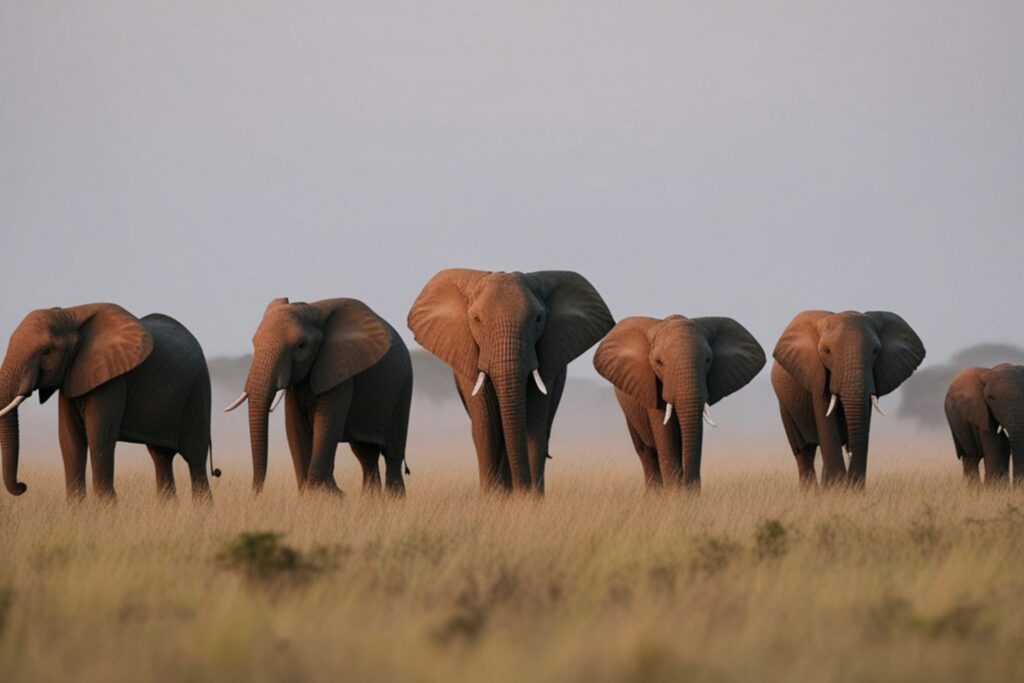
In Southern Africa, African savanna elephant populations are estimated at approximately 293,000 individuals and are stable or growing in some areas. Favorable factors include extensive and connected habitats, community-based natural resource management, and anti-poaching programs. However, conflicts with human activities and the need to maintain ecological corridors continue to pose significant challenges.
The WWF also reports progress regarding green sea turtles and bluefin tuna. About half of the populations considered by the Living Planet Index are stable or increasing—a finding that puts the notion of a uniform decline into perspective, without downplaying the seriousness of the overall trend.
Wolves and Turtles: Signs from Italy
In our country, the wolf has regained much of its historic range after facing the threat of extinction in the 1970s. The Sardinian deer has also been removed from the list of endangered species thanks to conservation efforts. The otter and Bonelli’s eagle are showing further signs of recovery.
There’s also good news for the loggerhead sea turtle (Caretta caretta). The WWF Italy network, which has been active for over 25 years with volunteers, researchers, institutions, protected areas, and fishermen, monitors the coastline, protects nests, and rescues animals in distress. The number of nesting sites monitored by the network has risen from 17 in 2017 to 338 in 2025.
These findings are part of a national picture that remains cause for concern. According to Luciano Di Tizio, president of WWF Italy, 30% of the vertebrates found in the country and 25% of the marine animal species in the Mediterranean are at risk of extinction.
The Causes of the Decline
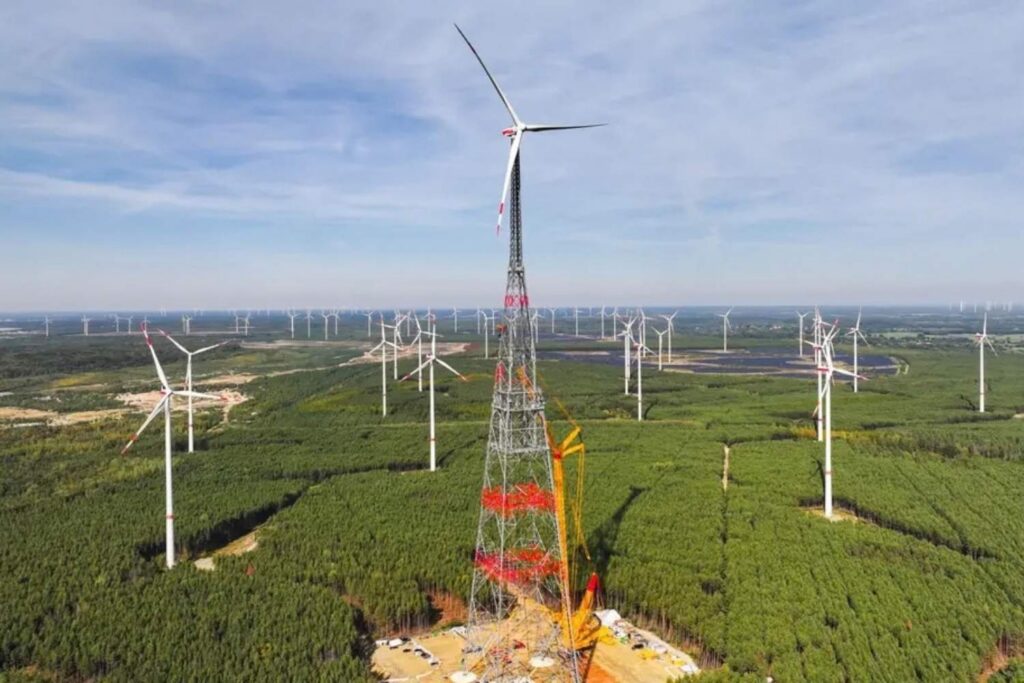
Habitat loss and degradation are the threats most frequently cited in the report, followed by overexploitation of species, climate change, pollution, invasive species, and disease. These pressures are also linked to food production methods, energy supply, and investment allocation.
According to the WWF, halting biodiversity loss therefore requires action on these systems, in addition to strengthening conservation programs. The next political step will be COP17 on biodiversity, scheduled to take place starting October 19 in Yerevan, Armenia. The focus will be on implementing the global 2030 goals, including the goal of halting and reversing the loss of nature.
The report points to a clear direction: conservation efforts can help restore population growth in some species, but to expand these results, continuity, resources, and decisions that reduce pressure on habitats are needed.