Fifty years after Italy ratified the Ramsar Convention, wetlands are back at the center of environmental debate. Ahead of World Wetlands Day on Feb. 2, Legambiente presents its new report Aquatic Ecosystems 2026 and launches a weekend of events across the Peninsula. The message is clear: the numbers are not bad, but concrete protection trudges on, crushed by bureaucracy and chronic delays.
With 63 recognized sites of international importance, spread across 15 regions and amounting to over 81,000 hectares, Italy is now fourth in Europe, tied with Norway. Ahead are the United Kingdom (176 sites), Spain (76) and Sweden (68). A result that photographs a widespread but also fragmented heritage, destined to grow soon with the establishment of three new sites in Sicily.
This is not a medal to be displayed without reservation. Other European countries, although they ratified the Convention in the same years or shortly before, have run more on the front of effective protection and integrated management of wetlands.
Where wetlands are concentrated
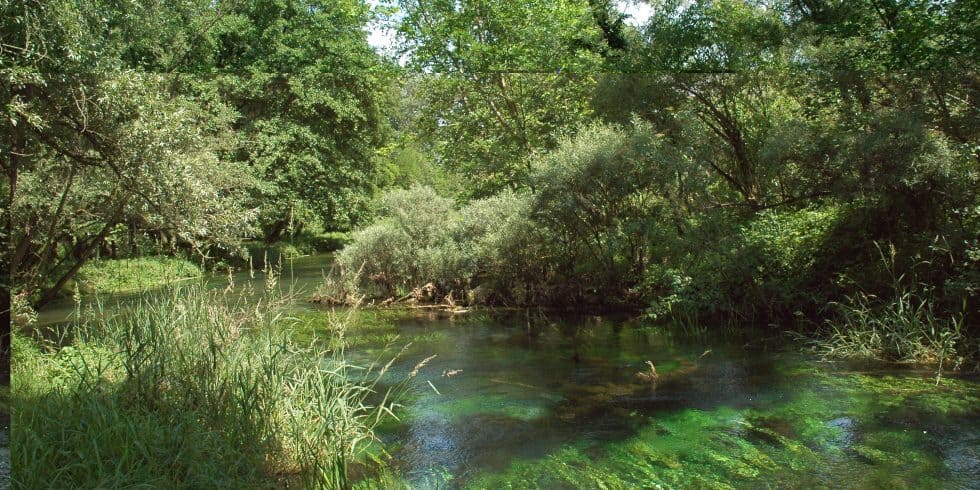
Regionally, Tuscany leads the ranking with 11 Ramsar sites, followed by Emilia-Romagna (10) and Sardinia (9). Lazio and Lombardy each have six, then Veneto, Friuli-Venezia Giulia, Sicily and Puglia. These are lagoons, marshes, bogs, ponds and lakes that preserve biodiversity, retain carbon and function as natural sponges against floods and droughts. In other words: natural infrastructure, much more efficient than many concrete works.
The Legambiente report insists on a point often removed: wetlands are among the most effective ecosystems in combating the climate crisis, but also among the most fragile. Urbanization, intensive agriculture, pollution and poor water management are eroding their functions and areas. Globally, according to the Global Wetland Outlook 2025, about 22 percent of the world’s wetlands have already disappeared.
“Wetlands,” comments Giorgio Zampetti, director general of Legambiente, “are among the most biodiverse ecosystems on the Planet, and in recent years the International Ramsar Convention has been an important reference for Italy. A reference that, however, warns the association, must be translated into faster and more effective policies.
Slow bureaucracy, incomplete protection
One of the most critical issues concerns timing. On average, about 14 years pass between the designation of a site and its international recognition. Meanwhile, a non-marginal share of the wetlands surveyed in Italy remain without formal protection: about 6 percent fall neither in protected areas nor in the Natura 2000 network, and are therefore exposed to irreversible transformation.
For Stefano Raimondi, head of biodiversity at Legambiente, “the system of aquatic protected areas has to deal with a degradation that shows no sign of stopping, driven by a management of the water resource that is still too sectoral.”
Legambiente’s seven proposals
Hence the appeal to the government: more protected areas, less regulatory fragmentation, concrete application of the European Restoration Law, fight against alien species and illegality, multilevel planning and involvement of local communities. There is no shortage of good practices already active, from environmental restoration projects to safety and monitoring initiatives, but they remain virtuous episodes, not systems.
The theme chosen for World Day 2026 links wetlands and cultural heritage: food traditions, archaeology, sustainable tourism, local identities. A useful reminder that these environments are not “no man’s land,” but living spaces, intertwined with the history and economy of territories.
To make this more concrete, Legambiente is organizing some 60 events in 16 regions: guided tours, birdwatching, walks and public meetings. An invitation to get up close and personal with ecosystems that are often invisible, until we lose them. And then come the ever-paying bills of the climate crisis.