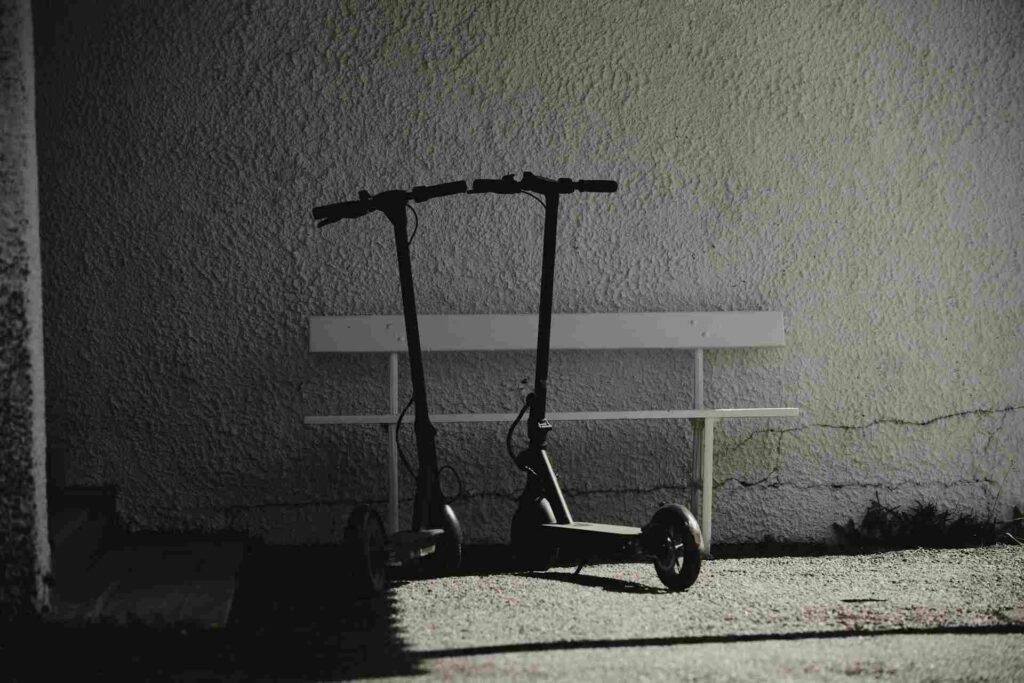
As of April 1, Florence is shutting down electric scooter sharing. After years in which scooters were presented as a symbol of green mobility and an agile alternative to the private car, the Florentine administration has chosen to end the widespread rental experience. It is a decision that is destined to be discussed far beyond city borders and marks a turning point in the micromobility debate.
Arriving in 2020, at the height of the European micromobility race, scooters promised fast, flexible and sustainable travel. For many users they were indeed a practical means, especially in short trips. Over time, however, critical issues have emerged alongside the advantages: accidents, dangerous behavior, difficulties with controls, and often problematic management of parking.
European cities that have already said stop
The picture of problems is not just about Florence. Across Europe, initial enthusiasm has given way to more cautious assessments. The first major capital to backtrack was Paris, which banned electric sharing scooters in 2023 after a city referendum in which a large majority of voters spoke out against the service. This was followed by Madrid, which took a similar decision, while Prague chose a more indirect but equally effective route: a ban on parking shared scooters in the historic center, a measure that effectively made the service unworkable.
Signs of a trend that now finds a first case in Italy as well.
Accelerating the Florence decision was helped by the new Highway Code. The introduction of mandatory helmets even for rental vehicles made it more complex to ensure compliance in a system based on rapid use and immediate access. According to Palazzo Vecchio, the risk was of widespread and difficult-to-control violation of the rules.
This is compounded by well-known problems: irregular parking, contraflow traffic, use on sidewalks. A mix that has fueled protests and reports from citizens.
Accidents and urban safety
The issue of safety is central. Scooters, although light vehicles, have proven vulnerable in accidents and potentially dangerous for pedestrians and frail groups when misused or parked incorrectly. Associations representing people with visual impairments have repeatedly denounced the risks associated with wild parking, describing abandoned vehicles on sidewalks as real urban obstacles.
Companies in the sector are challenging the stop, arguing that the service could have been improved through stricter rules on parking and speed. The company that operated the rental in Florence tried the administrative appeal route, without success. The confrontation between administrations and operators remains open and reflects a broader tension between technological innovation and regulation of public space.
Not only Florence: the difficulties in Italian cities
The critical issues that have emerged in Tuscany are not isolated. In Rome, the issue of irregular parking continues to generate controversy, with episodes of temporary suspensions and fines to operators. In Turin, professional associations and citizen representatives have called for tighter restrictions. Even in Milan, where the service remains active, there is no shortage of protests about vehicles left in sensitive or pedestrian-dense areas.Situations that show how the management of shared scooters remains a complex issue.
Influencing the future of the industry is not only policy choices. Sharing companies are already experiencing a significant drop in rentals, estimated at around 30 percent after the introduction of the helmet requirement. A decline that could become more pronounced with the arrival of implementing decrees on insurance and ID systems.
The result is a change of scenery: from a symbol of future mobility to a service under review.
What sustainable mobility
The Florence decision reopens an underlying question: what balance between safety, innovation and the quality of urban space? While scooters have expanded light mobility offerings, they have also highlighted infrastructural and cultural limitations. The challenge, for Italian cities, will be to integrate new technologies without sacrificing order, safety and accessibility. Interesting, for example, is Florence’s proposal to revive the offer of shared bikes as an alternative to scooters.
Meanwhile, Florence leads the way. And the debate, you can bet, has just begun.