The conflict between the United States and Iran is reigniting one of the most classic dynamics of energy geopolitics: when the Middle East flares up, energy prices go up and someone cashes in. According to estimates compiled by analyst firm EnergyFlux, the surge in gas prices could translate to more than $1 billion a week in extraordinary profits for U.S. liquefied natural gas companies.
Triggering the process was the closure of the giant Ras Laffan gas liquefaction plant in Qatar, one of the crucial nodes in the global energy system. Qatar’s LNG exports account for about one-fifth of global liquefied natural gas exports. Its current unavailability creates a destabilizing vacuum in the international market, not least because the war in Ukraine has driven up demand. And when such a substantial piece disappears from the global energy chessboard, prices react immediately.
This is exactly what has happened in recent days: since the start of the conflict with Iran last Friday, gas prices have jumped sharply. The direct consequence has been an equally rapid increase in margins for LNG exporters.
Profits doubled for each gas ship
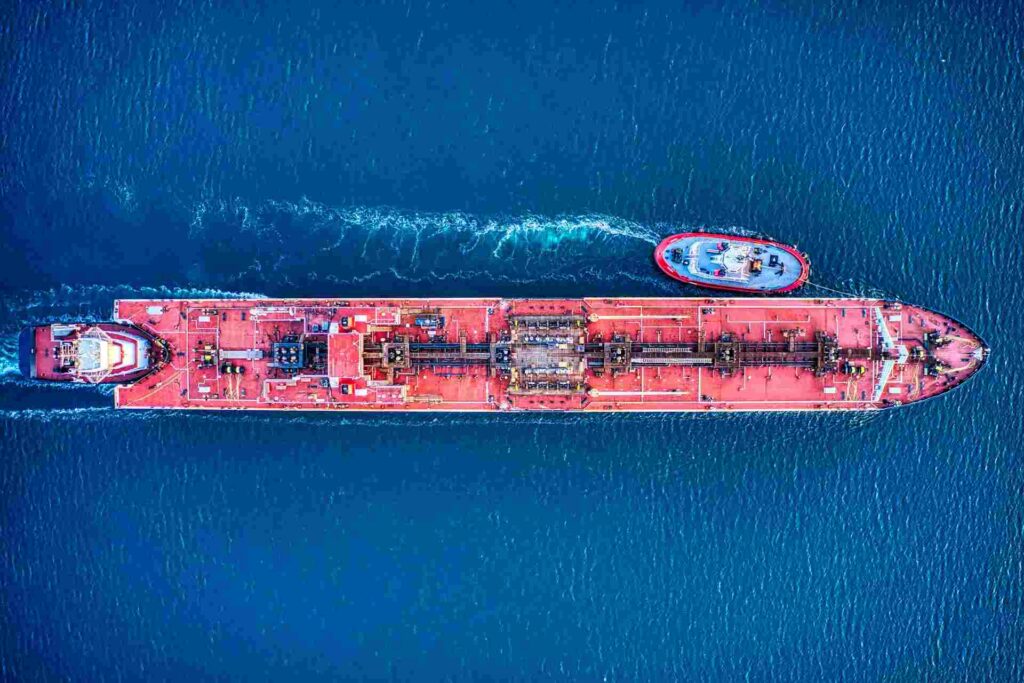
According to data compiled by EnergyFlux, the profitability of a single cargo of liquefied gas shipped from the United States to Europe has doubled in a matter of days. While last week the average margin for an LNG ship was estimated at around $25 million, as of March 2 it exceeded $50 million. This is a huge difference when considering the total volume of U.S. exports.
It had already happened with Ukraine: the Russian gas stop gave the green light to star-studded LNG. And the tariff-driven trade assault on Europe did the rest. The U.S. has become the world’s leading exporter of liquefied gas in recent years, with dozens of cargoes crossing the Atlantic each week headed mainly for European terminals.
With margins at this level, the U.S. LNG industry system could generate substantial additional profits over a period that could stretch. EnergyFlux estimates that if the Qatar plant were to be shut down for a month, U.S. companies could rack up as much as $4 billion in extra profits. Should the absence of those supplies extend into the summer, the figure could rise to $20 billion a month.
Wall Street sniffs out the deal
Financial markets wasted no time in registering the change of scenery. Shares of the two leading U.S. LNG companies, Venture Global and Cheniere Energy, rose sharply in the hours after the crisis began.Investors are betting that the combination of sustained European demand and reduced Middle Eastern supply could turn into a window of extraordinary gains for the sector.
Behind these market movements moves a much broader geopolitical picture. Giulia Giordano, director of Mediterranean and Global Strategy at the Italian think tank ECCO, invites to read the conflict in this key as well: “The U.S. military intervention in Iran can be interpreted as an attempt to re-establish U.S. supremacy over China and Russia, not through a direct confrontation but by isolating them from a key international ally and energy supplier, as well as a way to gain direct or indirect control over global fossil fuel resources, in line with the so-called energy dominance doctrine.”
In this scenario, Giordano points out, the risk is that European countries, which are heavily dependent on gas imports and already exposed to fluctuations in energy markets, will pay the highest price.
The lesson for Europe
The new energy crisis once again shows how fragile the continent’s energy security remains. For ECCO, the answer cannot simply be to look for new gas suppliers, but to change the model. Rethinking Europe’s energy security, Giordano says, means focusing decisively on renewables, power grids, storage systems, interconnections between countries and energy efficiency policies.
In other words, reducing dependence on fossil fuels is not only a climate choice but a strategic security issue. Because as long as the global energy system remains tied to oil and gas, every geopolitical crisis is likely to automatically turn into an economic crisis. And someone on the other side of the ocean or the world will continue to make golden deals on the worsening lives of many.